Don't Buy a TV in 2026 without These Features — You'll Regret It Within a Year
Companies Mentioned
Why It Matters
These features directly affect longevity, picture quality, and audio integration, making a TV purchase a strategic investment rather than a short‑term gadget. Ignoring them can lead to premature obsolescence and higher total‑cost‑of‑ownership for consumers and retailers alike.
Key Takeaways
- •Pixel‑shift and refresh prevent OLED burn‑in.
- •Mini‑LED, Micro‑LED, RGB‑LED improve contrast and color.
- •Glare‑free coatings enhance bright‑room viewing.
- •HDMI eARC enables lossless audio to soundbars.
- •Intuitive smart‑TV OS streamlines content access.
Pulse Analysis
In 2026, the television landscape is shifting from pure resolution wars to a holistic experience that blends visual fidelity with durability and convenience. Consumers now expect their high‑ticket purchase to last several years without degradation, prompting manufacturers to embed pixel‑shift, screen‑shift, and annual refresh routines that neutralize OLED burn‑in risks. Simultaneously, Mini‑LED and the newer RGB‑LED backlighting technologies deliver precise local dimming and a broader color gamut, narrowing the performance gap between OLED and more affordable LCD panels. This convergence of display tech means shoppers can achieve cinema‑grade contrast without the premium price tag traditionally associated with OLED.
Beyond picture quality, audio integration has become a decisive factor. HDMI eARC ports now serve as the universal conduit for uncompressed object‑based sound formats like Dolby Atmos and DTS:X, eliminating the need for separate optical cables and simplifying home‑theater setups. This streamlined connectivity not only reduces clutter but also future‑proofs the system as streaming services increasingly adopt high‑resolution audio tracks. Brands that pair eARC with robust soundbars or AV receivers gain a competitive edge, especially among audiophiles seeking immersive experiences without complex wiring.
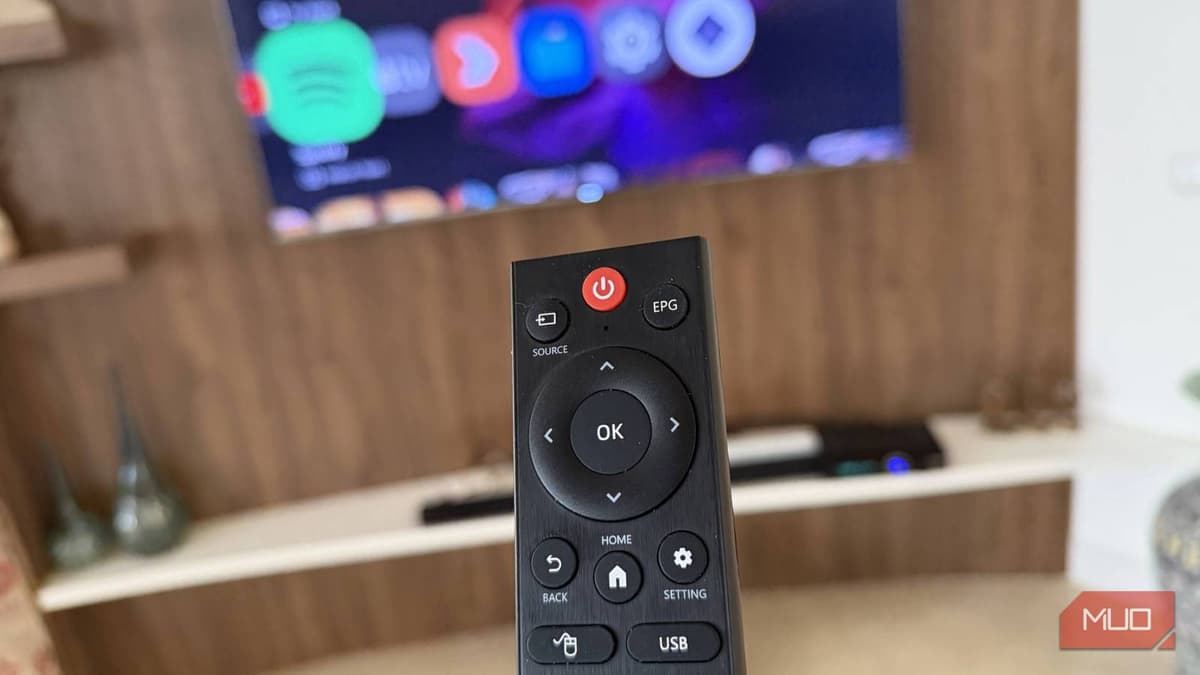
The software layer completes the value proposition. A responsive, intuitive smart‑TV OS—whether LG’s webOS, Google TV, or Samsung’s Tizen—ensures seamless navigation across streaming apps, gaming, and voice assistants, reducing reliance on external streaming sticks. When combined with features like glare‑free matte screens for bright‑room viewing, the modern TV becomes a versatile centerpiece for both entertainment and everyday use. Buyers who select models incorporating these hardware and software advancements are positioned to enjoy a resilient, high‑performance setup that adapts to evolving media standards for years to come.
Don't buy a TV in 2026 without these features — you'll regret it within a year
Comments
Want to join the conversation?
Loading comments...