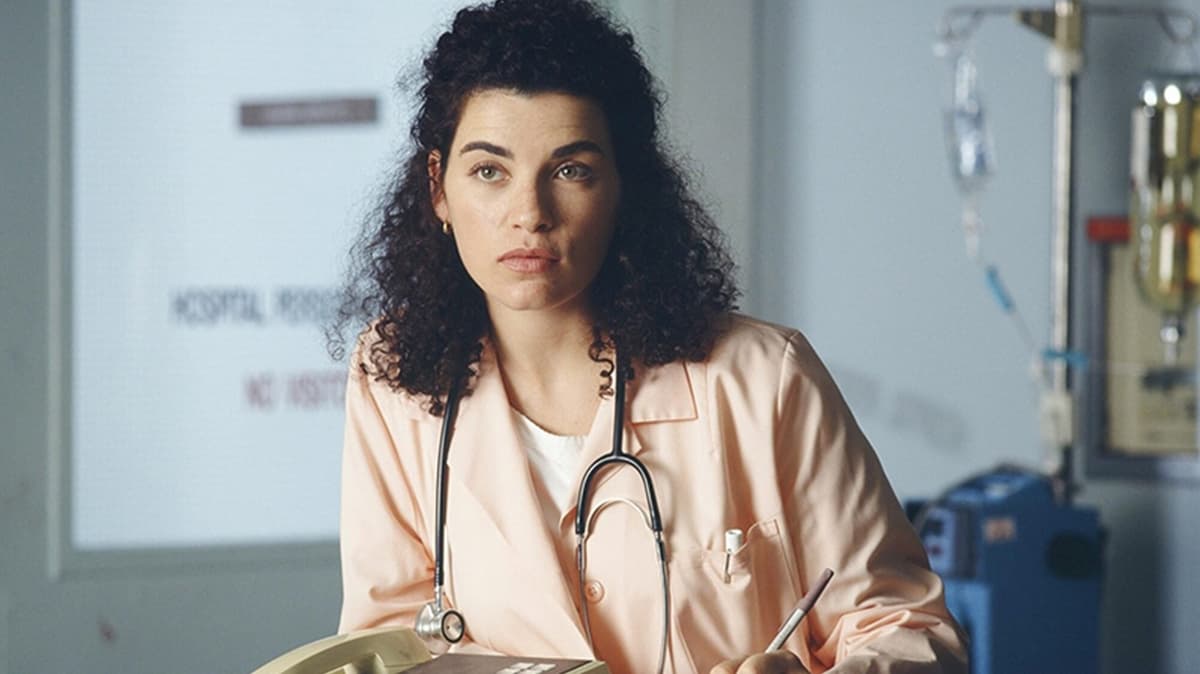
ER Creator Michael Crichton Wanted To Kill A Major Character, But Everyone Else Overruled Him
•March 7, 2026
0
Why It Matters
Saving Carol reshaped ER’s narrative arc, boosting ratings and cementing the show’s cultural legacy while propelling Margulies and Clooney toward prominent careers.
Key Takeaways
- •Carol was slated to die in ER pilot.
- •Director's shot made character essential, saved her.
- •Margulies' role became central to show’s romance.
- •Decision boosted careers of Margulies and Clooney.
- •Fan love for Carol shaped ER’s long‑run success.
Pulse Analysis
When ER debuted in 1994, creator Michael Crichton envisioned a stark, realistic medical drama that would not shy away from character mortality. His original pilot script called for Carol Hathaway, the troubled nurse played by Julianna Margulies, to succumb to a drug overdose—a scene that was actually filmed. This early decision reflected Crichton’s intent to underscore the high‑stakes environment of an emergency department, aligning with the series’ gritty tone and setting a precedent for bold storytelling in network television.
The turning point came during post‑production, when director Rob Holcomb framed the overdose sequence through the eyes of Doug Ross, portrayed by George Clooney. The visual emphasis on Ross’s emotional response inadvertently elevated Carol’s narrative weight, prompting showrunner John Wells to argue for her survival. By retaining Margulies as a regular, the series unlocked a compelling romantic subplot that resonated with audiences, driving viewership and deepening character dynamics. This decision illustrates how on‑set creative choices can override initial scripts, reshaping a show’s trajectory and influencing its cultural impact.
Beyond ER’s immediate success, the choice to keep Carol alive had lasting industry ramifications. Margulies leveraged her ER fame into a distinguished television career, most notably starring in The Good Wife, while Clooney’s early exposure contributed to his transition into Hollywood stardom. The episode also serves as a case study for producers weighing narrative risk against audience attachment, highlighting the strategic value of flexible storytelling in long‑form television. In an era where character exits are meticulously planned, ER’s pilot revision remains a reminder that collaborative decision‑making can produce iconic television moments.
ER Creator Michael Crichton Wanted To Kill A Major Character, But Everyone Else Overruled Him
0
Comments
Want to join the conversation?
Loading comments...