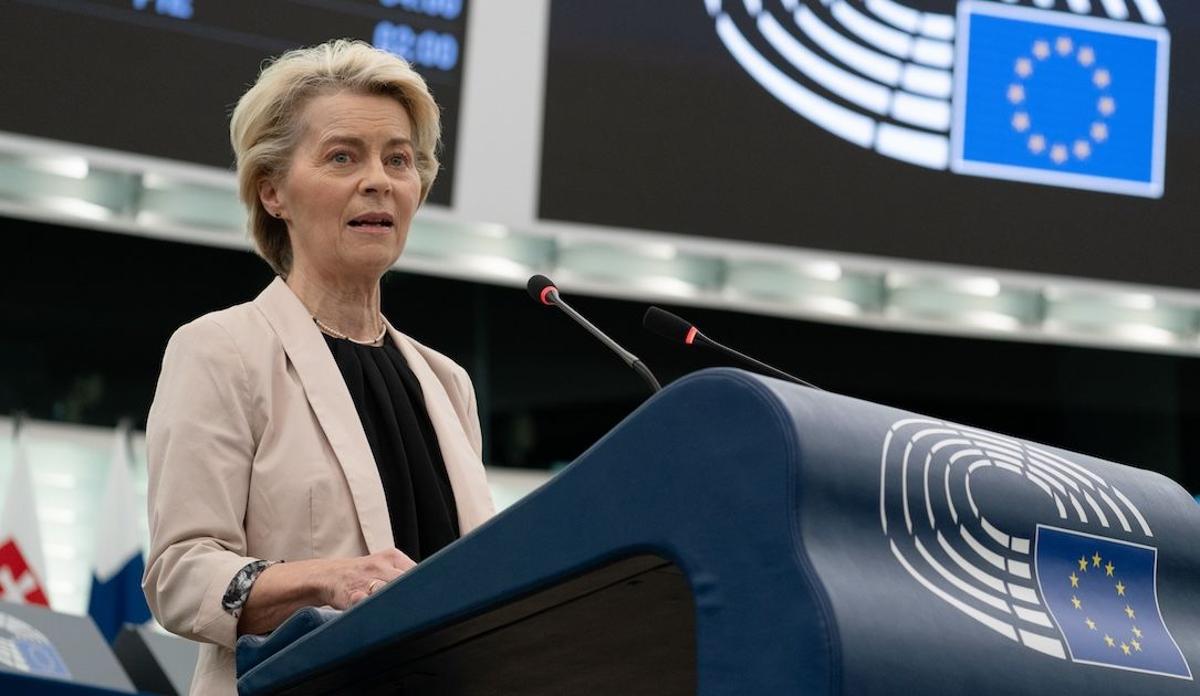
European Commission Head Pushes Creation of New Law Delaying Teens’ Social Media Access
Why It Matters
Delaying teen access forces platforms to redesign onboarding and verification processes, raising compliance costs and reshaping the European digital advertising market.
Key Takeaways
- •EU may set minimum social media age at 16 this summer
- •Commission's Digital Fairness Act targets addictive design and subscription traps
- •Member states already testing age‑verification, risking fragmented regulations
- •Meta faces DSA probe for insufficient child protection measures
- •Industry could need redesign of onboarding flows for younger users
Pulse Analysis
The European Union is moving from fragmented national experiments toward a unified legal framework that could raise the age threshold for social‑media use. Von der Leyen’s summer‑targeted proposal follows a growing chorus of governments—Spain, Greece, Norway, France, Denmark, Turkey and the Netherlands—implementing age‑verification pilots to protect minors. By consolidating these efforts at the EU level, the Commission aims to prevent a patchwork of rules that could hinder cross‑border digital services and create uncertainty for platform operators.
At the heart of the initiative is the Digital Fairness Act, a legislative upgrade to the Digital Services Act. The DFA seeks to curb “addictive design” tactics such as infinite scroll, push notifications and opaque subscription traps that lure younger users. Regulators are also scrutinizing major players like Meta for alleged DSA violations, arguing that current safeguards are insufficient. By expanding the regulatory perimeter to include design‑level interventions, the EU signals a shift from reactive content moderation toward proactive user‑experience governance.
For businesses, the proposed age limit and DFA impose concrete compliance milestones. Platforms will likely need to integrate robust age‑verification APIs, redesign onboarding flows, and audit user‑interface elements for compliance. Advertising models that rely on teen demographics could see reduced reach, prompting a reallocation of budgets toward older, verified audiences. Moreover, the EU’s stance may set a de‑facto global standard, pressuring non‑European firms to adopt similar safeguards to avoid market exclusion and reputational risk.
European Commission head pushes creation of new law delaying teens’ social media access
Comments
Want to join the conversation?
Loading comments...