Companies Mentioned

Why It Matters
The disruption halted billions of daily interactions and paused ad delivery, underscoring the financial risk of relying on a single social platform for audience reach and revenue.
Key Takeaways
- •Meta outage began around 9 am ET, affecting Facebook, Instagram, Messenger, WhatsApp
- •DownDetector logged over 20,000 reports at peak
- •Users experienced login failures and stale Instagram feeds
- •VP Andy Stone confirmed engineers are addressing the issue
- •Partial service restoration started early afternoon, full recovery pending
Pulse Analysis
Meta’s June 12 outage highlighted the fragility of today’s digital ecosystems. Within minutes of the first complaints, users across the United States reported being unable to access Facebook, Messenger, Instagram, and WhatsApp. The spike on DownDetector—over 20,000 reports—reflected the scale of the disruption, while Meta’s status page showed persistent red alerts. Andy Stone’s X posts confirmed that engineering teams were actively troubleshooting, and by early afternoon some feeds began to reappear, though the platform’s full functionality lagged behind expectations.
For marketers and businesses, the outage translated into an immediate pause in ad impressions and a dip in real‑time engagement metrics. Meta’s ad network powers a substantial share of digital ad spend; even a brief interruption can shave millions of dollars from daily revenue and erode campaign performance. The incident also reignited concerns about platform dependency, reminding brands that diversification across channels—such as TikTok, LinkedIn, or owned media—can mitigate the financial impact of unexpected downtime. Historical outages at Meta have shown similar short‑term revenue blips, but repeated reliability issues risk longer‑term trust erosion among advertisers.
Looking forward, Meta is likely to invest in redundancy and faster incident response to safeguard its ecosystem. The company’s public communication cadence—regular X updates and a promised one‑hour follow‑up—signals an effort to improve transparency. Meanwhile, enterprises should bolster monitoring with tools like DownDetector or internal synthetic testing to detect service degradation early. By diversifying ad spend and maintaining real‑time alerts, businesses can reduce exposure to single‑point failures and preserve audience continuity even when a major platform falters.
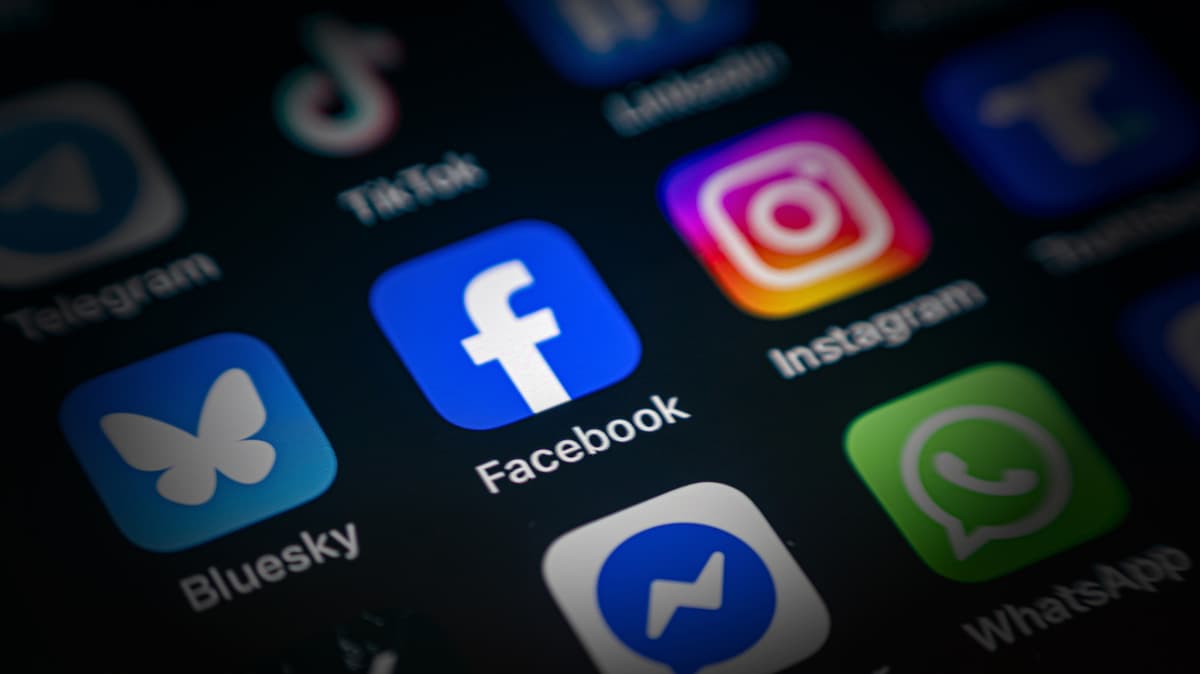
Facebook and Instagram appear to be down
Comments
Want to join the conversation?
Loading comments...