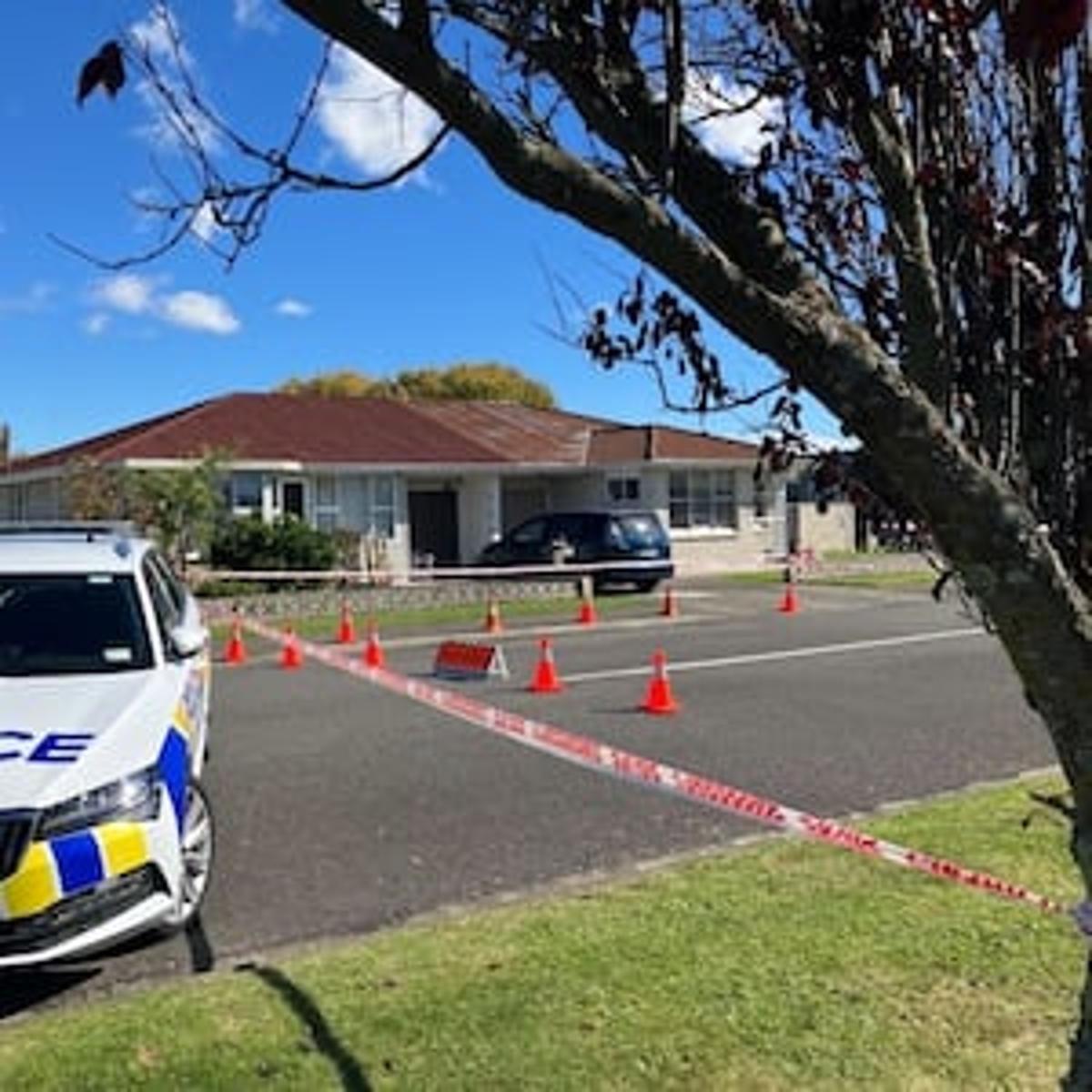
Facebook News Creator Shares AI-Generated Image of Body Bags at Hastings Triple-Homicide - Police and Netsafe Issue Warning over Fake Crime Scene Content
Why It Matters
The incident shows how AI‑fabricated crime imagery can amplify trauma and erode confidence in legitimate news, prompting calls for clearer labeling and stronger regulatory oversight. Transparency is crucial for maintaining public trust during emergencies.
Key Takeaways
- •AI‑generated crime scene images spread quickly on Facebook, causing distress
- •Netsafe warns such content can blur truth, eroding trust in official info
- •NZ laws like Harmful Digital Communications Act cover misleading AI media
- •Police urge verification before sharing, citing uniform misrepresentation risks
- •Australia/NZ Crime TV reviews AI use after backlash over fake body‑bag photo
Pulse Analysis
The rapid rise of generative AI tools has lowered the barrier for creating hyper‑realistic images, and newsrooms are feeling the pressure. When a fabricated photo of body bags appeared alongside genuine police updates from the Hastings triple‑homicide, it sparked a wave of shares and comments, illustrating how quickly false visual content can circulate on platforms like Facebook. Such images exploit the public’s appetite for instant visual context during crises, yet they also blur the line between fact and fiction, amplifying grief for victims’ families and sowing confusion among observers.
New Zealand’s legal landscape offers limited direct regulation of AI‑generated media, relying instead on existing statutes such as the Harmful Digital Communications Act, the Policing Act, and the Flags, Emblems, and Names Protection Act. While these laws can be invoked when misleading content causes emotional distress or misuses official symbols, they were not drafted with synthetic media in mind. Netsafe’s chief online safety officer, Sean Lyons, emphasizes that transparent labeling is the most practical safeguard, urging content creators to disclose AI involvement to reduce harm and preserve trust in legitimate reporting.
For media organisations, the Hastings episode serves as a cautionary tale. Best practices now include rigorous verification of visual assets, clear attribution of AI‑generated graphics, and proactive communication with audiences about the provenance of images. Platforms could bolster these efforts by flagging AI‑created content and providing tools for rapid fact‑checking. As AI continues to evolve, the industry must balance the efficiency gains of automated graphics with the ethical responsibility to protect communities from misinformation and unnecessary trauma.
Facebook news creator shares AI-generated image of body bags at Hastings triple-homicide - police and Netsafe issue warning over fake crime scene content
Comments
Want to join the conversation?
Loading comments...