FCC’s Latest Move Creates Uncertainty for All Broadcasters
Companies Mentioned
Why It Matters
The order blurs the line between regulatory oversight and political retaliation, threatening the predictability of broadcast licensing and raising constitutional concerns that could reshape the media landscape.
Key Takeaways
- •FCC ordered Disney to refile ABC station renewals within 30 days
- •Order targets DEI policies, raising First Amendment concerns across industry
- •Critics say move politicizes licensing, threatens broadcaster predictability
- •Potential precedent could affect all license holders, prompting legal challenges
Pulse Analysis
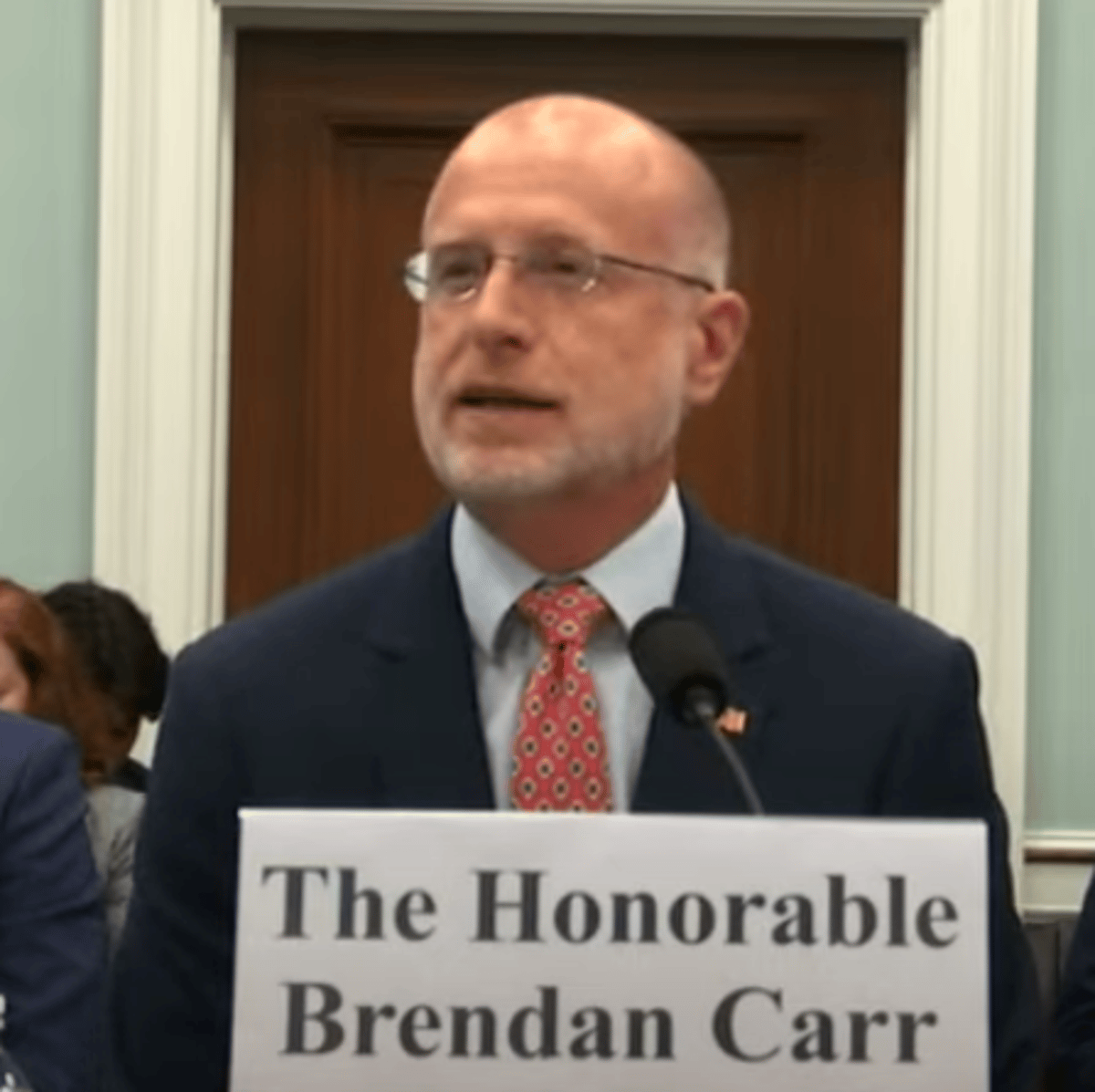
The Federal Communications Commission has long wielded the power to grant, renew, or revoke broadcast licenses, a function traditionally insulated from partisan politics. Chairman Brendan Carr, who has made DEI scrutiny a hallmark of his tenure, leveraged delegated authority to compel Disney to restart the renewal process for its ABC stations. By framing the action as an enforcement measure against "invidious forms of DEI discrimination," the FCC is testing the limits of its regulatory mandate while courting First Amendment challenges.
Industry reaction has been swift and alarmed. The National Association of Broadcasters warned that the FCC’s abrupt demand undermines the predictability and fairness essential to a stable broadcasting environment. Legal scholars note that targeting a single company for a blanket renewal request could set a precedent for future political retribution, especially when speech—such as Jimmy Kimmel’s commentary on a White House Correspondents’ Dinner shooting—triggers regulatory scrutiny. The lone Democratic commissioner’s condemnation underscores the growing bipartisan concern that the FCC may be overstepping constitutional boundaries.
Looking ahead, broadcasters should brace for heightened legal battles and possible regulatory reforms. Companies may need to bolster compliance programs, document DEI initiatives, and prepare for rapid licensing reviews. Lawmakers could also intervene, seeking clearer statutory limits on the FCC’s enforcement powers to protect free speech. As the dispute unfolds, the outcome will likely influence how media entities navigate both regulatory compliance and political risk in an increasingly polarized climate.
FCC’s Latest Move Creates Uncertainty for All Broadcasters
Comments
Want to join the conversation?
Loading comments...