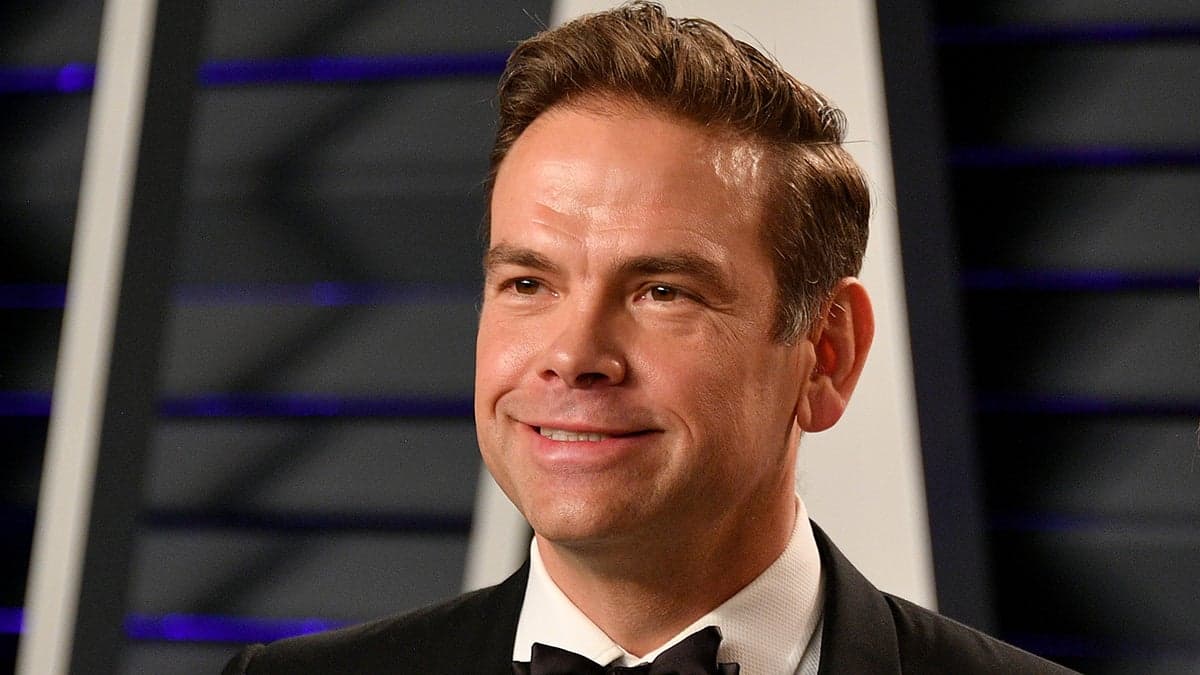
Fox’s Lachlan Murdoch Expects Regulators to Put Conditions on Paramount-WBD Merger
•March 2, 2026
0
Companies Mentioned


Why It Matters
A licensing condition would curb vertical integration, preserving content access for rival platforms, while Fox’s strategic focus signals how midsize media firms can thrive amid industry consolidation.
Key Takeaways
- •Regulators likely to impose third‑party licensing on Paramount‑WBD deal
- •Murdoch says CNN will stay strong rival to Fox News
- •Fox favors focused acquisitions over size‑driven expansion
- •Podcast acquisitions broaden Fox’s digital audience reach
- •Fox One streams high engagement, avoids cable churn
Pulse Analysis
The proposed Paramount‑Warner Bros. Discovery merger represents the largest media consolidation in recent memory, and antitrust watchdogs are poised to attach a third‑party licensing clause. Such a condition would force the combined entity to continue selling premium titles to rival streaming services, preserving a competitive content marketplace and preventing a single owner from monopolizing high‑value libraries. For advertisers and distributors, this could sustain pricing power and keep subscription costs from spiraling upward.
In the news arena, Murdoch’s comments underscore a lingering rivalry between Fox News and CNN. Despite Fox’s dominant ratings, the Ellison‑led CNN is expected to remain a formidable challenger, especially as cable news audiences fragment across digital platforms. This competitive tension drives both networks to double down on live programming, investigative reporting, and brand differentiation, which in turn influences advertising rates and affiliate negotiations across the broadcast ecosystem.
Fox’s own growth blueprint diverges from the scale‑first playbook. By acquiring niche digital assets such as Red Seat Ventures and Supercast, the company is bolstering its podcast and streaming footprint without overextending into traditional cable‑heavy ventures. Fox One’s strong subscriber engagement—averaging over ten hours of weekly viewing—demonstrates the viability of a focused, ad‑supported streaming model that coexists with linear distribution. Coupled with a robust NFL rights deal and a disciplined subscription‑price strategy, Fox is positioning itself to capture incremental revenue while sidestepping the churn risks that have plagued larger, less agile competitors.
Fox’s Lachlan Murdoch Expects Regulators to Put Conditions on Paramount-WBD Merger
0
Comments
Want to join the conversation?
Loading comments...