Companies Mentioned
Why It Matters
The media blackout curtails independent verification of war damage, shaping international perception and potentially influencing investor confidence in the UAE’s stability and openness.
Key Takeaways
- •UAE arrested foreign photojournalists, prompting newswire image blackout.
- •Iran's missile and drone strikes have hit Dubai, Abu Dhabi, Ras Al‑Khaimah.
- •Gulf states criminalize filming, citing security, to control war narrative.
- •Al Jazeera aired rare footage, contrasting regional media restrictions.
- •Restrictions hinder journalists, reducing public awareness of infrastructure damage.
Pulse Analysis
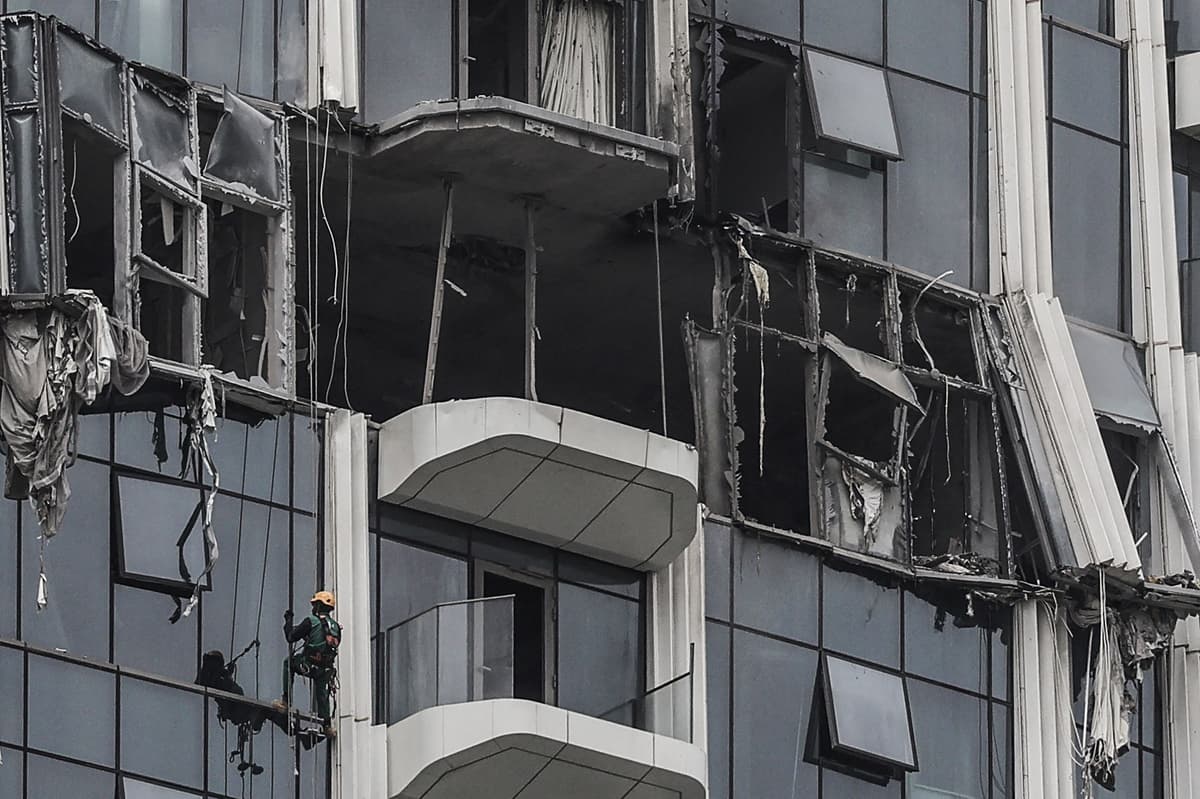
The Iran‑UAE conflict has turned the Gulf into a battlefield of both missiles and information. Since February, Tehran’s drones and missiles have struck key commercial hubs such as Dubai International Airport and the Dubai International Financial Centre, prompting a surge of on‑the‑ground photographs that documented smoke, shattered glass and disrupted consumer spaces. Those images were quickly disseminated by Reuters, AFP and other wire services, providing real‑time evidence of the attacks’ physical toll and shaping international understanding of the war’s scope.
The UAE’s swift legal response—arresting foreign photojournalists and enforcing permits for any filming in restricted zones—has effectively silenced that visual stream. Authorities argue the measures protect public safety, yet press‑freedom groups label them a systematic effort to erase evidence of Iranian aggression and to preserve the emirates’ polished tourism brand. Similar crackdowns have emerged in Saudi Arabia, Kuwait and Bahrain, where hashtags like “Photography serves the enemy” reinforce the narrative that visual documentation threatens national security. The resulting blackout limits both domestic awareness and foreign investors’ ability to assess real‑time risk.
For businesses that rely on the UAE’s image as a safe, high‑tech hub, the suppression of war photography creates a double‑edged dilemma. While the country’s advanced air‑defence systems have limited casualties, the lack of transparent visual evidence can fuel speculation and erode confidence among multinational firms and tourists. Media outlets such as Al Jazeera, which managed to broadcast footage of damaged airbases, become rare sources of credibility, highlighting the growing value of independent reporting in the region. Observers warn that continued censorship may prompt investors to demand clearer risk disclosures and diversify away from opaque markets.
Gulf media crackdown sanitizes images of the war
Comments
Want to join the conversation?
Loading comments...