Why It Matters
The season’s focus on corporate overreach and free‑speech resonates amid real‑world media consolidation, signaling how premium TV can comment on—and influence—industry power dynamics. It also underscores the market value of shows that blend satire with socially relevant narratives, attracting both critical acclaim and audience loyalty.
Key Takeaways
- •Deb and Ava stay allied, driving the season’s narrative
- •Show pivots from industry satire to corporate‑power critique
- •Season 5 tackles free‑speech battles and media consolidation
- •Deb plans a Madison Square Garden comeback after contract ban
Pulse Analysis
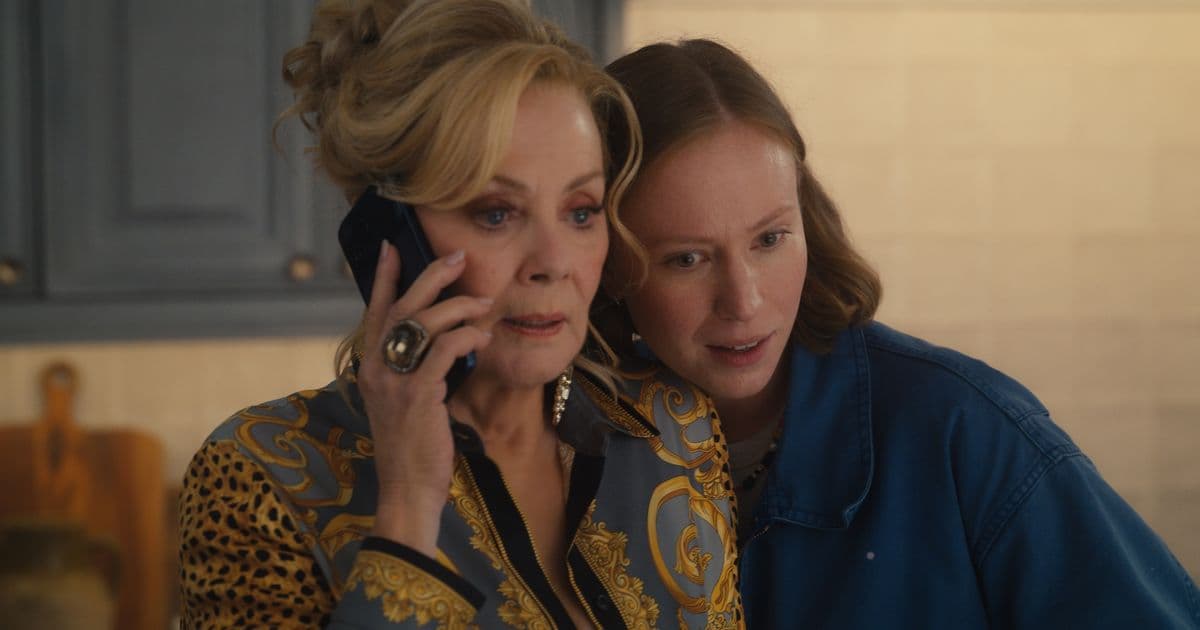
Hacks has long been a darling of critics, amassing Emmys, a Peabody and a cult following for its razor‑sharp look at the comedy world. Over five seasons, the series has elevated its leads—Jean Smart, Hannah Einbinder and breakout Megan Stalter—into household names, while evolving from a biting industry satire to a more nuanced exploration of power structures. Season 5 builds on that trajectory, retaining the show’s hallmark wit but redirecting its target. By uniting Deborah Vance and Ava Daniels from episode one, the narrative avoids the familiar “break‑up‑reconcile” arc and instead concentrates on a joint offensive against a faceless corporate antagonist, Bob, who embodies the consolidation trends reshaping Hollywood.
The new thematic core centers on free speech and the perils of media conglomerates. Bob’s attempts to scrub Deb’s material, enforce restrictive contracts, and silence dissent mirror real‑world battles over content ownership and platform control. The series dramatizes how a veteran comedian’s career can be jeopardized by a single executive’s whims, echoing industry concerns about talent‑rights erosion as streaming giants amass libraries. By framing the conflict as a David‑versus‑Goliath story—complete with a planned Madison Square Garden comeback—the show underscores the cultural importance of artistic autonomy in an era of algorithmic gatekeeping.
For the business side of television, Hacks demonstrates the commercial viability of content that intertwines entertainment with timely commentary. Networks and streaming services are increasingly rewarding series that can spark conversation around media policy, attracting both advertisers and a socially conscious audience. The show’s blend of humor, feminist empowerment, and critique of corporate overreach offers a template for future productions seeking relevance beyond pure escapism. As media consolidation accelerates, series like Hacks prove that thoughtful satire can both entertain and shape the discourse around the very structures that fund it, reinforcing the strategic value of bold, issue‑driven storytelling.
Hacks Celebrates Itself
Comments
Want to join the conversation?
Loading comments...