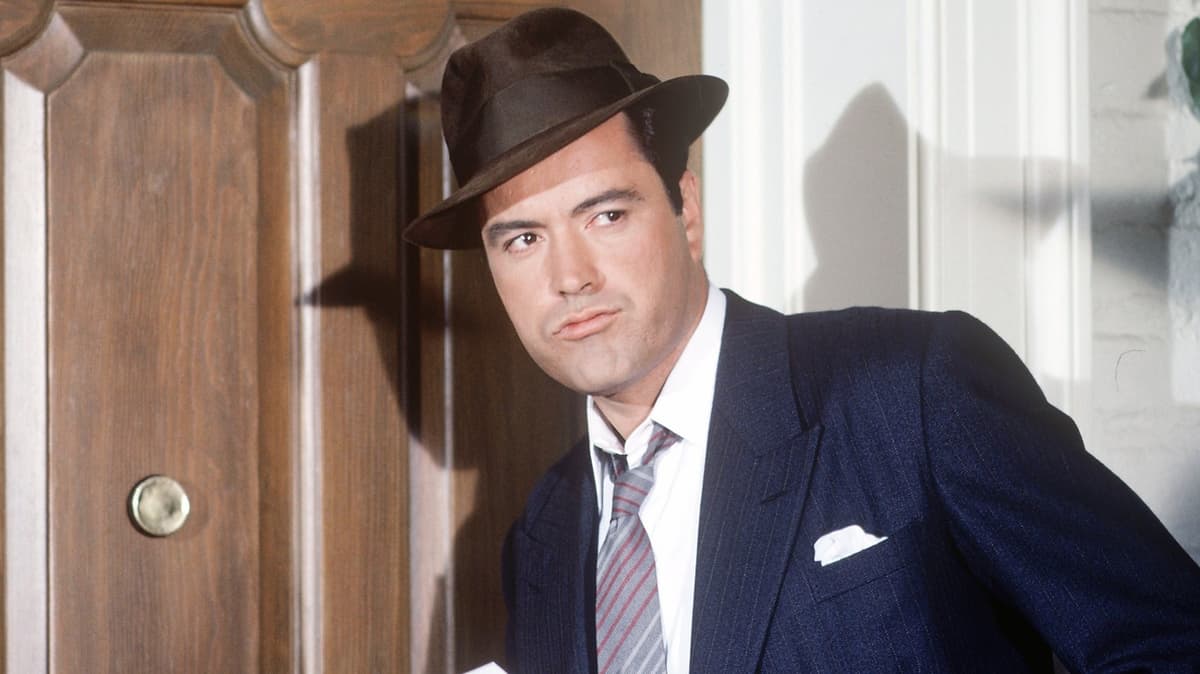
HBO's First Serial Drama Adapted Stories By One Of The 20th Century's Greatest Crime Authors
Companies Mentioned
Why It Matters
The series marked HBO’s early pivot from variety and sports toward original scripted programming, laying groundwork for the prestige‑TV model that would later define the network. It demonstrated that high‑quality literary adaptations could attract niche audiences on cable, influencing future investments in original drama.
Key Takeaways
- •HBO's first drama series aired in 1983, starring Powers Boothe.
- •Series adapted Raymond Chandler short stories, kept 1930s noir setting.
- •Preceded 'Oz' by a decade, signaling HBO's shift to scripted content.
- •Co‑produced with UK's ITV, aired two short seasons.
- •Boothe's Marlowe praised despite mixed contemporary reviews.
Pulse Analysis
When HBO debuted "Philip Marlowe, Private Eye" in 1983, it was a bold departure from the network’s staple of comedy specials, sports, and concert broadcasts. By committing resources to a serialized, literary‑based drama, HBO signaled an ambition to compete with traditional broadcasters for sophisticated viewers. The partnership with Britain’s ITV also illustrated an early willingness to share production costs and tap international talent, a strategy that would later become a hallmark of premium cable’s global outreach.
The series’ fidelity to Chandler’s 1930s Los Angeles—complete with period‑accurate dialogue, smoky jazz scores, and the detective’s internal monologue—set it apart from contemporaneous adaptations that modernized the setting. This respect for source material resonated with purists and reinforced the timeless appeal of hard‑boiled noir. By delivering a weekly mystery‑of‑the‑week format, the show proved that episodic storytelling could sustain audience interest without relying on cliffhangers, a lesson that informed later HBO successes such as "The Wire" and "True Detective."
Although "Philip Marlowe, Private Eye" ran only two short seasons and received lukewarm critical reception, its legacy endures as a prototype for HBO’s later prestige programming. The series demonstrated that cable could produce quality drama rooted in literary heritage, paving the way for ambitious projects like "The Sopranos" and "Game of Thrones." Moreover, it contributed to the broader cultural resurgence of classic noir aesthetics, influencing a generation of creators who blend vintage style with modern storytelling techniques.
HBO's First Serial Drama Adapted Stories By One Of The 20th Century's Greatest Crime Authors
Comments
Want to join the conversation?
Loading comments...