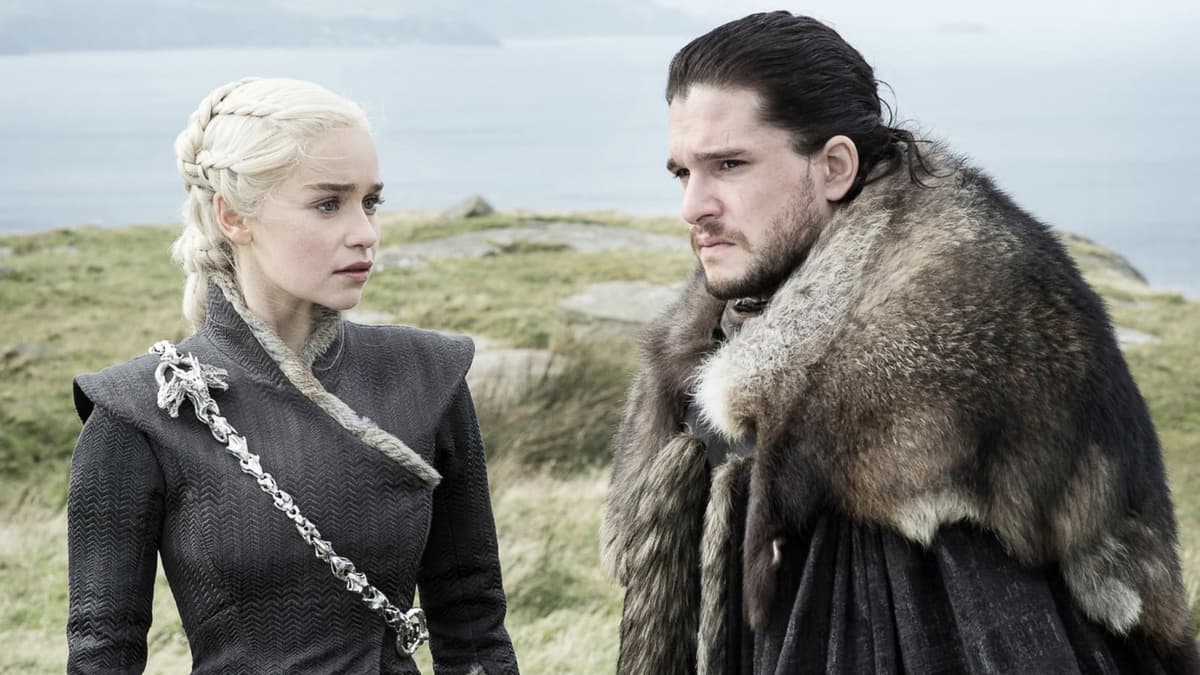
HBO's Second-Longest Running Drama After Game Of Thrones Deserves More Respect
Why It Matters
True Blood demonstrates HBO’s capacity to generate high‑impact genre programming that fuels talent pipelines and enriches its streaming catalog, underscoring the long‑term value of non‑prestige hits. Its viewership and award success illustrate how vampire‑drama can translate into lasting brand equity for a premium network.
Key Takeaways
- •True Blood aired seven seasons, 2008‑2014, HBO’s second‑longest drama.
- •Season 2 premiere drew over 5 million viewers, HBO’s highest since Sopranos.
- •Earned 2009 Emmy for Outstanding Cast, boosting several actors’ careers.
- •Rotten Tomatoes dropped from 79% to 44% in final seasons.
- •Available now on HBO Max and Hulu, expanding streaming library.
Pulse Analysis
When HBO launched True Blood in 2008, it signaled a strategic pivot toward high‑concept genre storytelling that could sit alongside its prestige dramas. The series tapped into the burgeoning vampire craze, delivering a blend of Southern Gothic atmosphere, erotic intrigue, and supernatural politics. Its Season 2 debut, drawing over 5 million live viewers, broke the network’s post‑Sopranos viewership ceiling and proved that a serialized fantasy could command mass appeal on a premium platform. This success helped HBO diversify its portfolio and attract advertisers and subscribers seeking more than traditional drama.
Critical reception followed a classic arc: early seasons earned a solid 79% Rotten Tomatoes rating and a 2009 Emmy for Outstanding Cast, cementing the show’s cultural relevance. The ensemble, featuring future A‑list talent such as Anna Paquin, Alexander Skarsgård, and Joe Manganiello, leveraged the series as a springboard into film and other television projects. However, narrative fatigue set in, and the final two seasons saw scores tumble to 44%, mirroring the decline of other long‑run epics. Despite the dip, the show’s influence on casting trends and its role in normalizing mature, supernatural content remain noteworthy.
Today, True Blood lives on through HBO Max and Hulu, where its seven‑season library continues to attract binge‑watchers and new fans. Its streaming resurgence highlights the evergreen value of legacy content in the OTT era, providing HBO with a ready‑made catalog asset that bolsters subscriber retention. For networks, the series offers a case study in balancing genre risk with brand expansion, illustrating how a well‑executed, niche‑focused drama can generate lasting revenue streams beyond its original broadcast window.
HBO's Second-Longest Running Drama After Game Of Thrones Deserves More Respect
Comments
Want to join the conversation?
Loading comments...