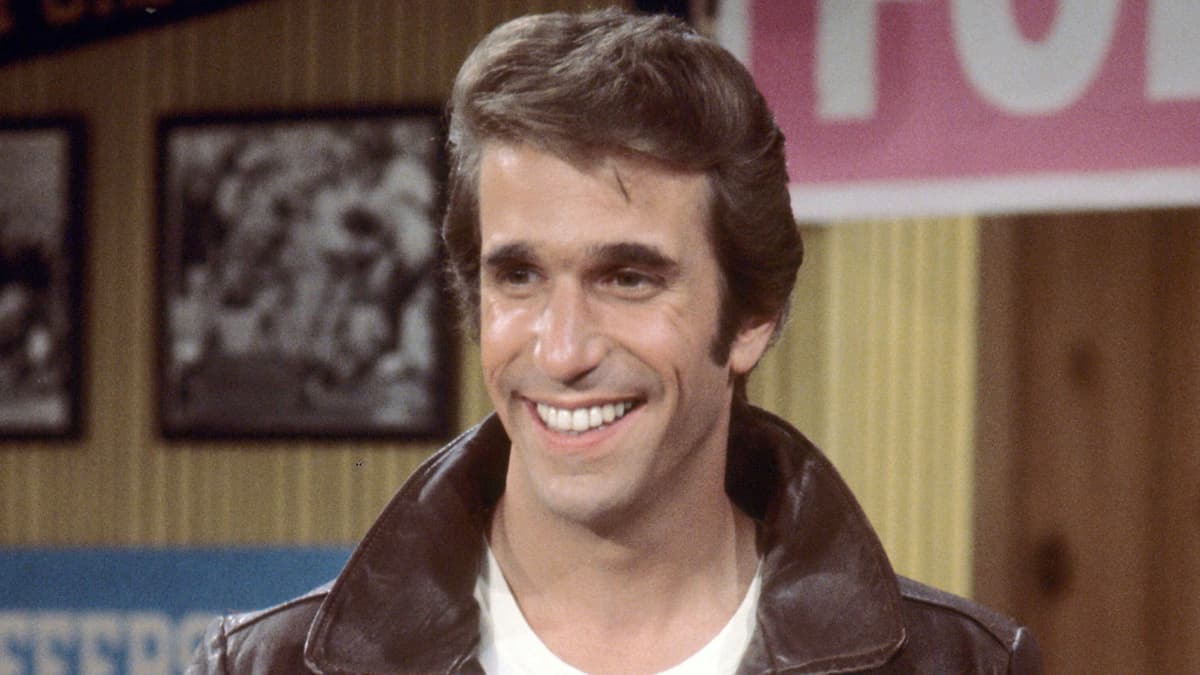
Henry Winkler Had Four Firm Rules About Playing Fonzie On Happy Days
•March 10, 2026
0
Why It Matters
Winkler’s self‑imposed guidelines transformed a potential stereotype into a distinctive brand, illustrating how performer‑driven choices can shape enduring television icons.
Key Takeaways
- •Winkler refused comb, gum, belt, cigarettes on set
- •Created comb‑in‑mirror move as confidence signal
- •Move became Fonzie’s signature alongside thumbs‑up
- •Signature persisted across 11 seasons and later cameo
- •Shows actor agency can redefine TV archetypes
Pulse Analysis
Henry Winkler’s decision to set strict visual limits for Fonzie was a calculated rebellion against the era’s formulaic greaser archetype. In the early 1970s, television producers often relied on familiar costume cues—slick hair, gum‑chewing, military belts—to signal toughness. Winkler’s refusal to adopt these shortcuts forced the writers and directors to find an alternative visual language, resulting in the now‑famous comb‑in‑mirror gesture. That simple act communicated confidence without resorting to tired tropes, allowing the character to stand out in a crowded sitcom landscape.
The comb‑in‑mirror fake‑out quickly evolved into a hallmark of Fonzie’s identity, joining the thumbs‑up, leather jacket, and iconic motorcycle as symbols of 1970s nostalgia. Its cultural resonance is evident in the Smithsonian’s display of the brown leather jacket and in the move’s revival during Winkler’s guest spot on Arrested Development, where a brief mirror scene served as a meta‑reference for longtime fans. This continuity demonstrates how a single performer‑driven choice can embed itself in the collective memory, influencing merchandising, fan conventions, and academic discussions of television branding.
Winkler’s experience offers a broader lesson for modern creators: actor agency can be a catalyst for fresh character development. In today’s streaming‑driven market, where audiences crave authenticity, allowing performers to shape visual quirks can differentiate a series and generate organic buzz. The Fonzie comb gesture exemplifies how a modest, self‑imposed rule can ripple across decades, reinforcing the importance of collaborative creativity in building lasting pop‑culture icons.
Henry Winkler Had Four Firm Rules About Playing Fonzie On Happy Days
0
Comments
Want to join the conversation?
Loading comments...