How CORRECTIV Investigated the EU Housing Crisis
Why It Matters
The findings expose how soaring housing costs are squeezing essential workers, threatening labor retention and social stability across Europe, while giving policymakers a granular evidence base to target interventions.
Key Takeaways
- •Rents rose 21% and house prices 64% in EU (2015‑2025).
- •Study maps affordability for nurses in 100,000 European municipalities.
- •Berlin, Paris, Rome, Vienna unaffordable for nurses.
- •Croatia, Portugal, Ireland, Latvia, Iceland have toughest rental markets.
- •Open interactive map lets journalists embed data for local stories.
Pulse Analysis
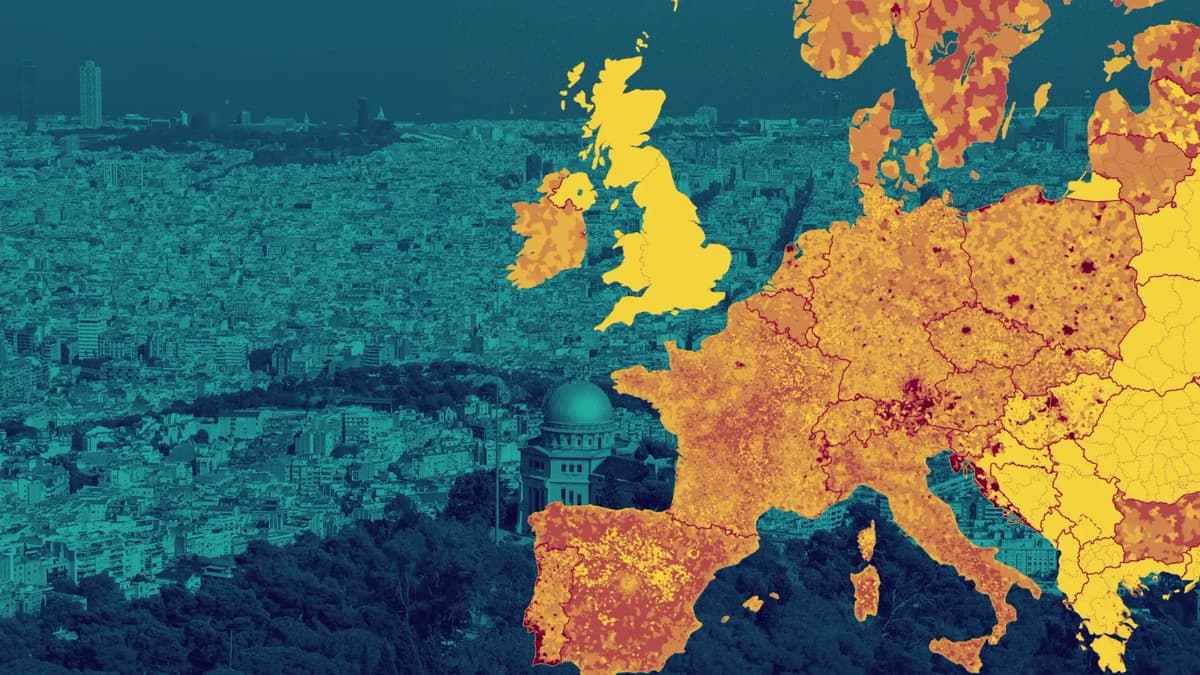
Europe’s housing market has entered a new era of unaffordability, with Eurostat data confirming that rents across the EU, Norway, Iceland and Switzerland have climbed 21 percent and home prices have jumped 64 percent since 2015. The surge reflects a confluence of low vacancy rates, heightened demand from investors, and limited new construction. By aggregating 100 million online property listings through the EU‑funded ESPON House4All project, CORRECTIV.Europe has created the most granular, municipality‑level view of price dynamics to date, offering a vital reference point for analysts and decision‑makers.
The investigation’s distinctive angle is its focus on nurses—a profession whose earnings sit near the national average—providing a relatable benchmark for affordability. Using national and regional salary data, the team applied the widely accepted 30 percent income‑to‑housing threshold, mapping municipalities where rent consumes less than 20 percent (green), 20‑30 percent (orange) or over 30 percent (red) of a nurse’s net pay. The results are stark: eight of the ten largest EU/EFTA cities, including Berlin, Paris, Rome and Vienna, exceed the affordability line, while Croatia, Portugal, Ireland, Latvia and Iceland emerge as the most challenging rental markets for nurses.
Beyond the raw numbers, the open‑source visualisation empowers journalists to translate data into compelling narratives, from probing policy gaps to highlighting the human impact on frontline workers. Policymakers can leverage the map to pinpoint hotspots for rent‑control measures, affordable‑housing incentives, or targeted subsidies. As housing pressure intensifies, the dataset offers a timely tool for monitoring trends, fostering cross‑border collaboration, and ultimately shaping interventions that keep essential workers—and the communities they serve—securely housed.
How CORRECTIV investigated the EU housing crisis
Comments
Want to join the conversation?
Loading comments...