Why It Matters
Independent, on‑the‑ground reporting from Ukraine informs global policymakers and audiences, while Frontliner’s grant‑based, partnership‑driven model shows how media can survive in high‑risk war zones.
Key Takeaways
- •Frontliner runs a 30‑person newsroom, 15 dedicated war reporters.
- •Audience reaches 0.5‑3 million monthly, primarily via English Instagram and Reddit.
- •Drone warfare now forces reporters to travel 5‑20 km on foot at night.
- •Revenue mix: grants, Getty photo royalties, content sales, crowdfunding for kits.
- •Goal: build six‑month financial runway and scale short‑form video output.
Pulse Analysis
Frontliner emerged in 2020 when veteran journalist Andrii Dubchak, frustrated by the slow rollout of a war‑reporting unit at Radio Svoboda, decided to create an independent outlet dedicated to Ukraine’s conflict. With a staff of roughly 30, including a core team of 15 reporters, photographers and videographers, the newsroom provides granular coverage of frontline battles, civilian hardship and long‑term investigative pieces. By publishing in both Ukrainian and English, and by feeding stories to outlets such as the BBC and The New York Times, Frontliner fills a critical gap for global audiences that lack direct access to on‑the‑ground information.
The outlet’s distribution strategy leans heavily on social platforms that attract niche audiences. Its English‑language Instagram account and active Reddit presence generate between half a million and three million monthly impressions, while a YouTube channel and short‑form videos are being expanded to meet audience demand for visual storytelling. Financially, Frontliner relies on a blend of international grants, a royalty agreement with Getty Images for its photo archive, and emerging revenue streams like content licensing and a crowdfunding drive for medical kits. The organization is currently building a three‑month cash reserve, with a target of six months to ensure operational stability.
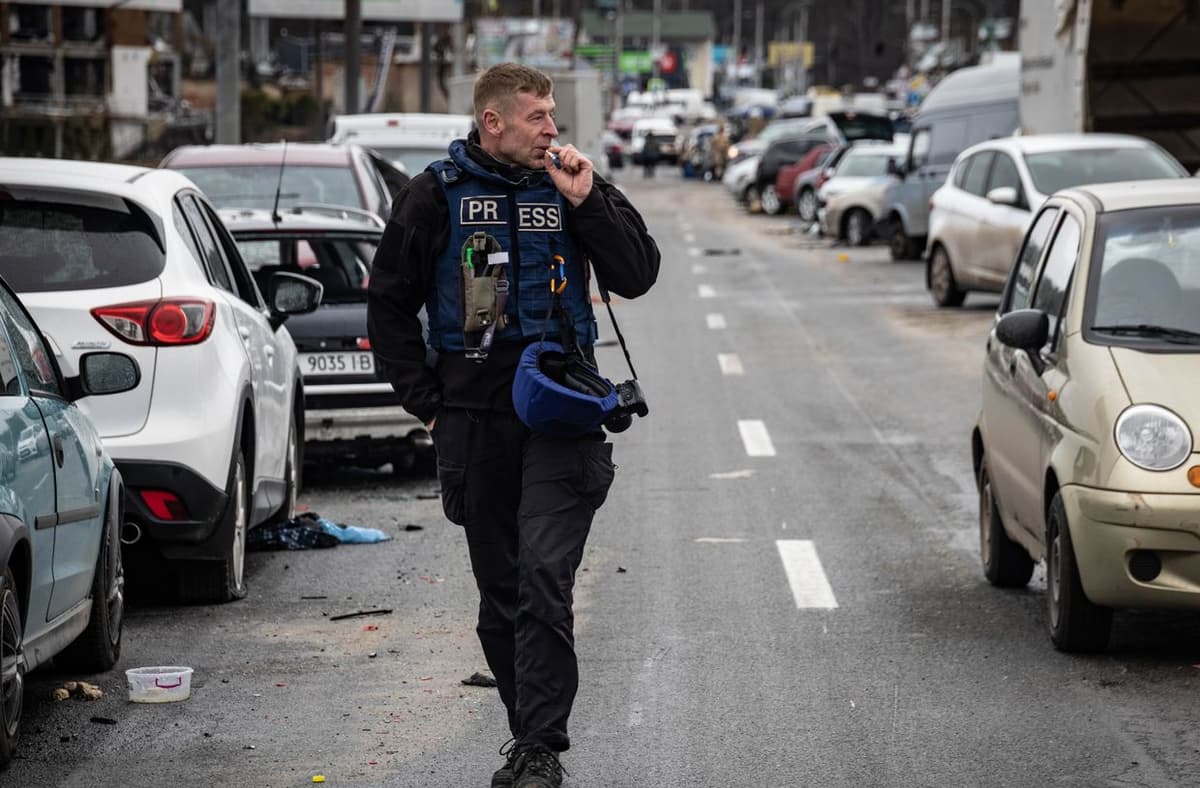
Reporting from Ukraine’s frontlines has grown dramatically more hazardous as drone technology proliferates. Journalists now have to trek 5‑20 km on foot, wear body armor and operate primarily at night to avoid Lancet and Shahed drones that can strike from dozens of kilometres away. These conditions make each three‑person field team one of the most expensive production units in modern media. Despite the risks, Frontliner persists, leveraging its relationships with military units that grant access and prioritising stories that challenge official narratives, such as the experiences of older soldiers and former prisoners. Looking ahead, the outlet aims to raise its editorial standards to those of top global publications while scaling cinematic video output.
How Frontliner built a model for war reporting in Ukraine
Comments
Want to join the conversation?
Loading comments...