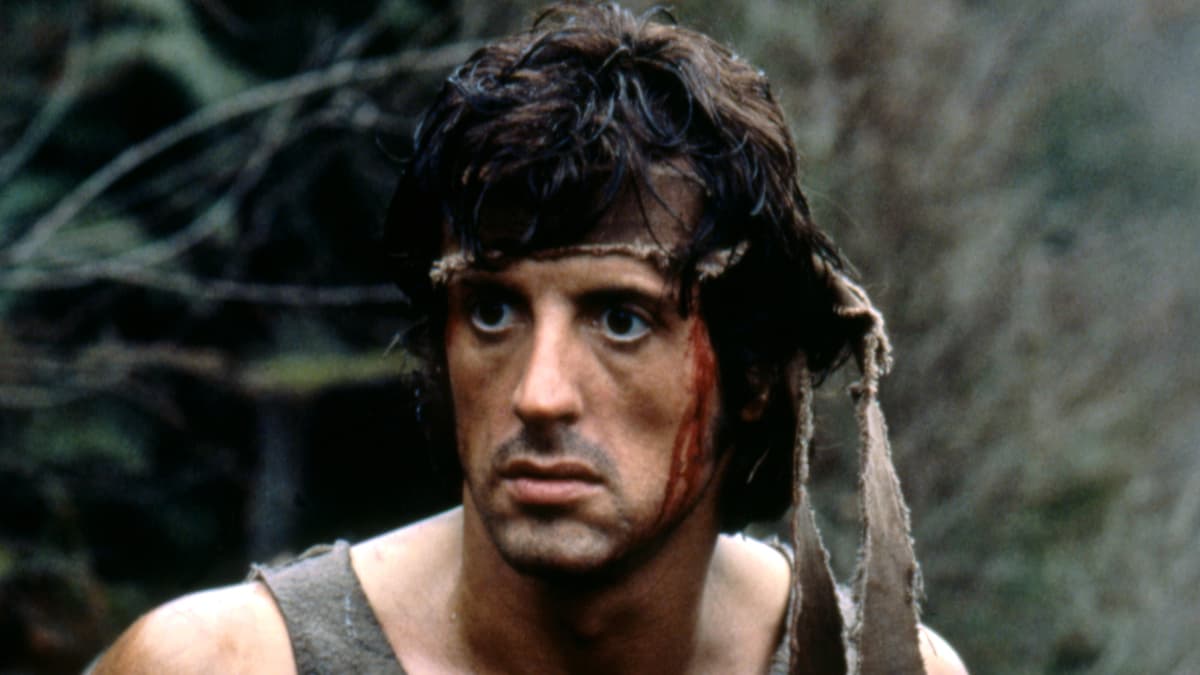
How Sylvester Stallone Really Felt About Rambo Becoming A Children's Cartoon
Companies Mentioned
Why It Matters
Stallone’s pushback highlighted early tensions between Hollywood branding and children’s media, influencing how violent properties are adapted for younger audiences. The episode foreshadowed modern debates over content licensing and brand integrity.
Key Takeaways
- •Stallone labeled the cartoon a misrepresentation of his character
- •He refused to let his own children play with Rambo toys
- •The series ran 60 episodes but failed to recoup its $15 million toy investment
- •The controversy pre‑dated today’s debates on violent content in kids’ programming
Pulse Analysis
The 1980s saw a wave of adult‑oriented film franchises being repackaged for Saturday‑morning television, and *Rambo: The Force of Freedom* was a prime example. Sylvester Stallone, who co‑wrote the original *First Blood* novel adaptation, felt the animated version stripped away the character’s gritty realism, turning a war‑scarred veteran into a cartoon hero. His outspoken criticism, captured in a 1986 *Chicago Tribune* interview, underscored a growing awareness among talent that licensing deals could dilute brand identity, especially when the target audience shifted dramatically.
Beyond Stallone’s personal objections, the series sparked broader industry concerns about violence in children’s media. Advocacy groups such as Action for Children’s Television argued that a toy‑friendly Rambo could normalize combat imagery for young viewers, echoing similar debates surrounding *G.I. Joe* and *He‑Man*. While the show initially garnered solid ratings, the backlash contributed to ABC’s decision to pull the plug after its first run, and Coleco’s $15 million investment in related merchandise barely broke even. This outcome served as a cautionary tale for studios weighing the profitability of cross‑generational merchandising against potential reputational risk.
The legacy of Stallone’s resistance resonates today as studios navigate the fine line between expanding franchises and preserving narrative integrity. Modern revivals, such as the upcoming 2026 Rambo origin film starring Noah Centineo, are crafted with heightened sensitivity to audience expectations and brand stewardship. The Rambo cartoon episode illustrates how early pushback helped shape contemporary licensing strategies, ensuring that iconic characters retain their core essence even when explored across diverse media platforms.
How Sylvester Stallone Really Felt About Rambo Becoming A Children's Cartoon
Comments
Want to join the conversation?
Loading comments...