How the FADA Collective Is Pushing Back Against Italy’s Broken Freelance Media Model
Why It Matters
FADA offers a replicable grassroots blueprint that tackles chronic underpayment and isolation of freelancers, potentially raising labor standards across European media. Its community‑first approach could preserve independent journalism while strengthening public discourse.
Key Takeaways
- •Italian freelancers earn ~ $17k annually, far below living wage
- •FADA collective offers mutual aid, job sharing, grant access
- •Network of 100+ journalists runs skill‑share Slack and workshops
- •Shared fee database exposes low‑pay outlets, empowers freelancers
- •Public forums turn investigations into community civic engagement
Pulse Analysis
Italy’s freelance journalism market has become a pressure cooker of low wages and job insecurity. Over 30,000 freelancers now outnumber staff reporters, yet the average gross income hovers around €15,641 (about $17,200), far below a sustainable living wage. Unlike many European nations that enforce standard rates and clear pitching guidelines, Italian outlets often keep fee structures opaque, leaving journalists to negotiate in the dark. This structural opacity fuels a hyper‑competitive environment where low‑ball offers become the norm, prompting many writers to take on unrelated side gigs just to stay afloat.
Enter the FADA collective, a self‑organized laboratory for mutualism that has evolved into the FADA Network. Leveraging a dedicated Slack channel, members circulate job leads, grant opportunities, and editorial feedback, while monthly workshops teach niche skills ranging from data journalism to investigative storytelling. The network’s flagship initiative—a shared fee database—crowdsources payment information, enabling freelancers to benchmark rates and blacklist non‑paying outlets. Early results show members securing higher‑value contracts and gaining access to grants that would otherwise be out of reach, illustrating how collective intelligence can offset market power imbalances.
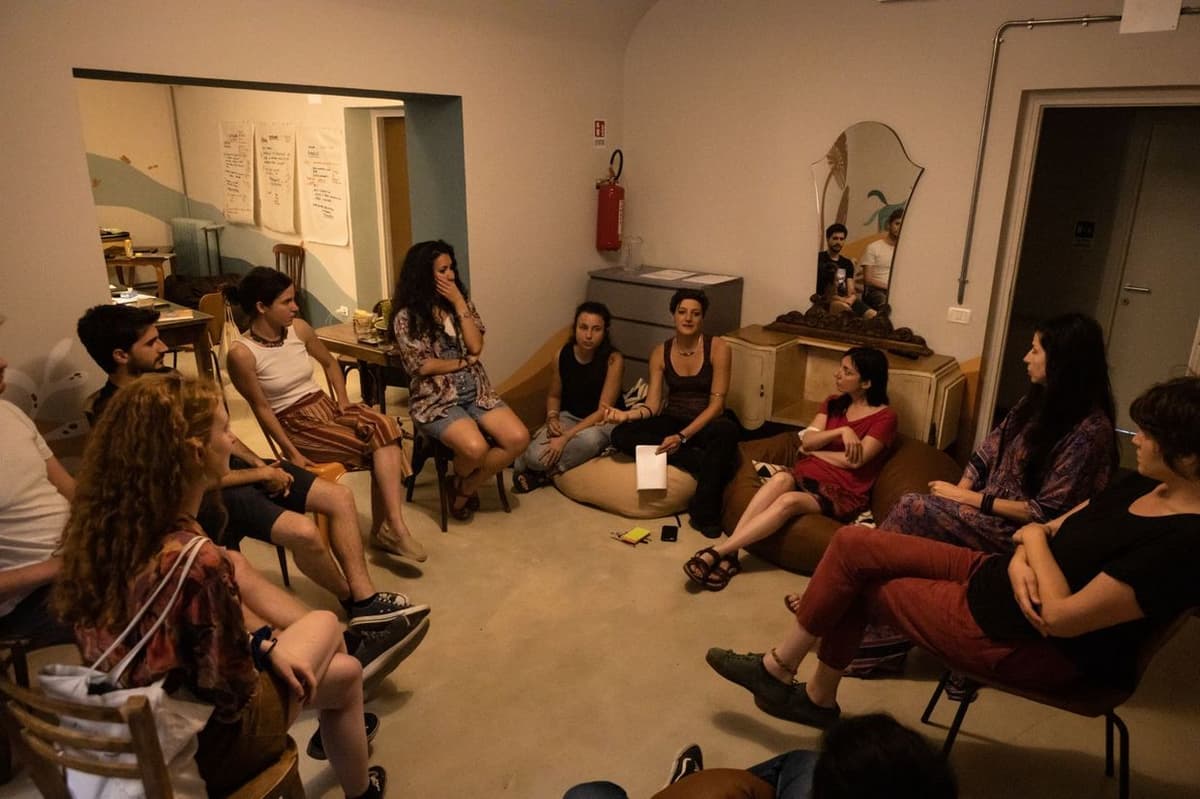
Beyond economic survival, FADA is redefining the journalist‑community relationship. By staging public assemblies after major investigations—such as exposés on pesticide exports and overtourism—FADA transforms reporting into civic dialogue, fostering local ownership of stories and building allies among civil‑society groups. This participatory model not only amplifies impact but also creates a feedback loop that can justify better compensation for investigative work. As other freelance‑heavy markets watch, FADA’s blend of data transparency, skill sharing, and community engagement may become a template for sustaining independent journalism worldwide.
How the FADA collective is pushing back against Italy’s broken freelance media model
Comments
Want to join the conversation?
Loading comments...