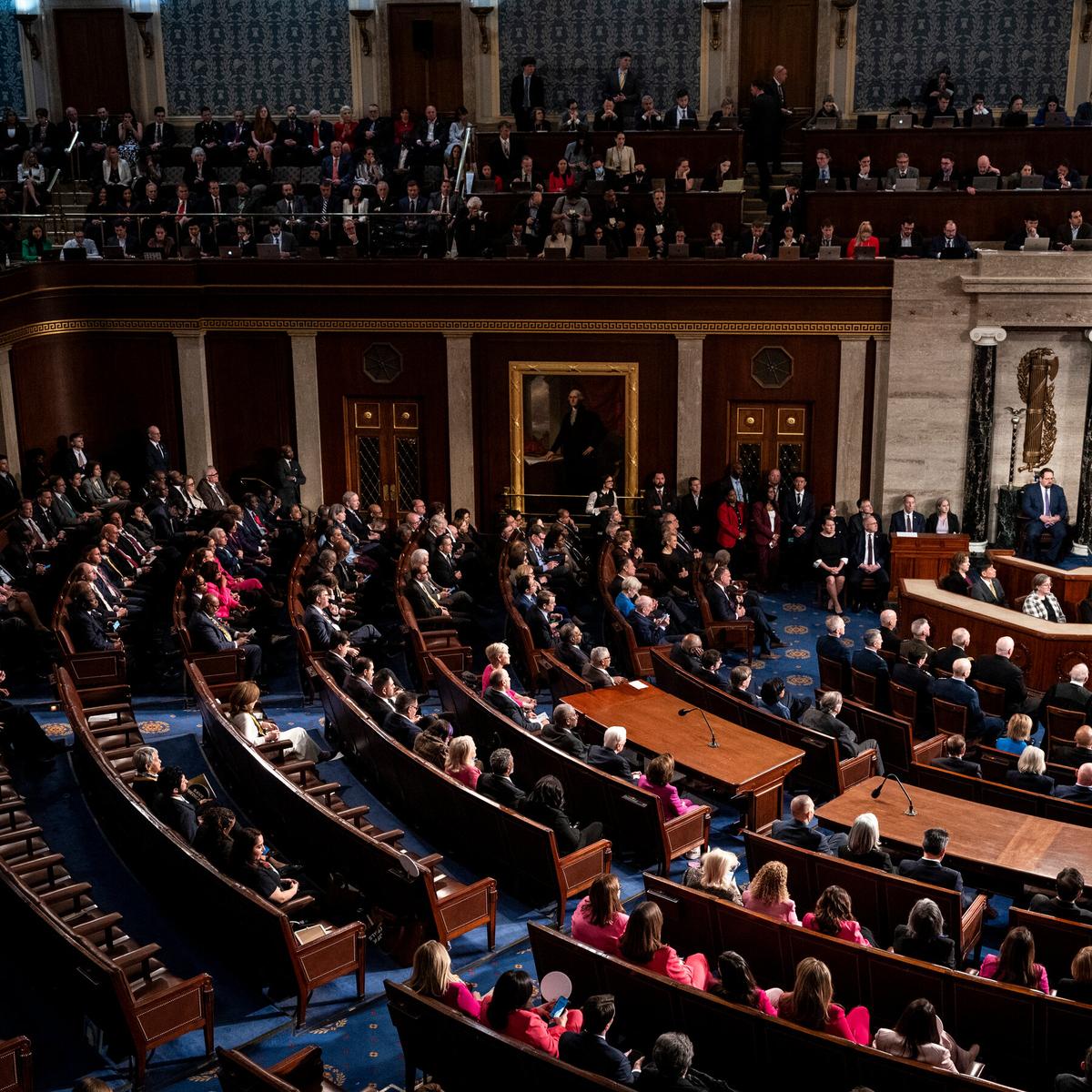
How The New York Times Covers the SOTU Under Intense Deadline Pressure
•February 25, 2026
0
Why It Matters
Rapid, accurate SOTU coverage reinforces the Times’ reputation for breaking political news, while showcasing newsroom innovations that meet today’s instant‑information demand.
Key Takeaways
- •Over 50 Times journalists cover each State of the Union.
- •Editor Elizabeth Kennedy leads White House team since 2021.
- •Team prepares for unscripted moments with rapid workflow.
- •Real-time transcription and mobile editing enable same‑day publishing.
- •Legacy crisis reporting experience shapes SOTU coverage strategy.
Pulse Analysis
State of the Union addresses have become a litmus test for newsrooms, blending predictable policy outlines with the potential for surprise. The Times’ strategy hinges on early access to the president’s draft, but editors know that past speeches—from Trump’s off‑script detours to Pelosi’s theatrical gestures—can upend any plan. By assigning a dedicated team of reporters, photographers, and digital producers, the paper ensures that every angle, from policy nuance to visual storytelling, is captured before the broadcast ends.
At the helm, Elizabeth Kennedy leverages a career forged in conflict zones and foreign bureaus to orchestrate a high‑velocity operation. Her team rehearses contingency scenarios, sets up redundant communication channels, and employs real‑time transcription services that feed directly into mobile editing suites. This infrastructure allows journalists to file copy, embed multimedia, and push stories to the website within minutes, preserving the immediacy that readers now expect from digital news platforms.
The broader implication is a shift in newsroom culture toward agile, technology‑driven reporting. The Times’ SOTU model illustrates how legacy media can blend seasoned editorial judgment with cutting‑edge tools to stay competitive in an era of social‑media breaking news. As audiences increasingly demand instant, trustworthy analysis, the ability to produce accurate, multi‑format coverage under extreme deadline pressure becomes a decisive advantage for any major publication.
How The New York Times Covers the SOTU Under Intense Deadline Pressure
0
Comments
Want to join the conversation?
Loading comments...