How Ukrainian Media Are Surviving the 2025/2026 Winter Energy Crisis
•March 4, 2026
0
Why It Matters
The survival tactics of Ukrainian media illustrate how critical infrastructure resilience and diversified revenue streams are for information providers operating in conflict zones, setting a precedent for global newsrooms facing climate‑related disruptions.
Key Takeaways
- •50% of Ukraine’s energy infrastructure destroyed
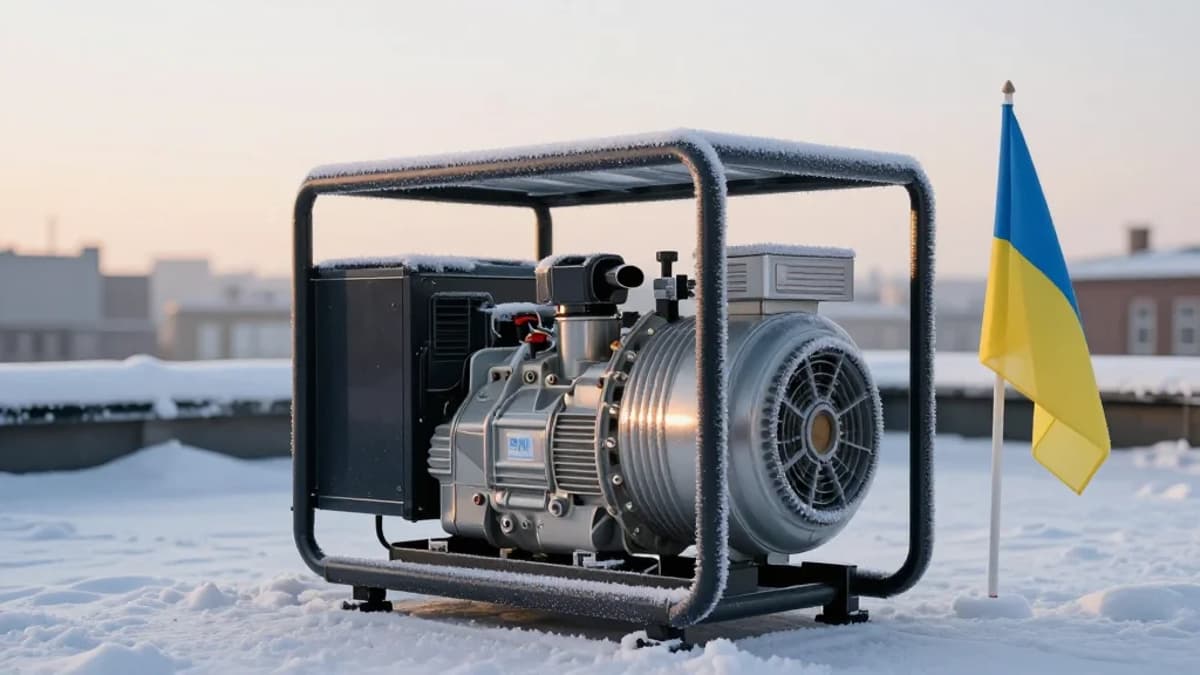
- •Generators and inverters give newsrooms up to six hours power
- •Offices serve as morale hubs amid blackouts
- •Funding split aims for financial resilience
Pulse Analysis
The winter of 2025/2026 has turned Ukraine’s media landscape into a frontline of energy resilience. Russian strikes that knocked out half of the national grid left generators and inverters as essential lifelines, allowing newsrooms to stay on air for several hours during blackouts. This technical improvisation is not merely a stopgap; it signals a broader shift where media firms must embed power redundancy into their operational DNA, especially as climate‑induced extremes become more frequent worldwide.
Beyond hardware, Ukrainian outlets are redefining workspaces to safeguard continuity. Cukr’s Sumy office, equipped with a large generator and room‑wide charging stations, encourages staff to congregate, fostering collaboration and psychological stability when external conditions are harsh. Babel’s hybrid model leverages a co‑working hub with reliable internet and backup power, mitigating transport disruptions caused by shelling. These strategies underscore a growing trend: flexible, location‑agnostic work environments paired with robust energy backups are becoming non‑negotiable for news organizations operating under duress.
Financial ingenuity accompanies the technical fixes. Cukr’s “33‑33‑33” funding split—balancing international donors, local partnerships, and reader contributions—creates a buffer against future fiscal shocks, while Babel’s community‑driven budget component aims to cover a fifth of expenses. By institutionalizing diversified revenue streams and investing in morale‑boosting office culture, Ukrainian media are building a model of sustainability that other sectors can emulate. The lessons learned—energy redundancy, adaptive workspaces, and resilient financing—will likely shape industry standards as the global media ecosystem prepares for an era of heightened volatility.
How Ukrainian media are surviving the 2025/2026 winter energy crisis
0
Comments
Want to join the conversation?
Loading comments...