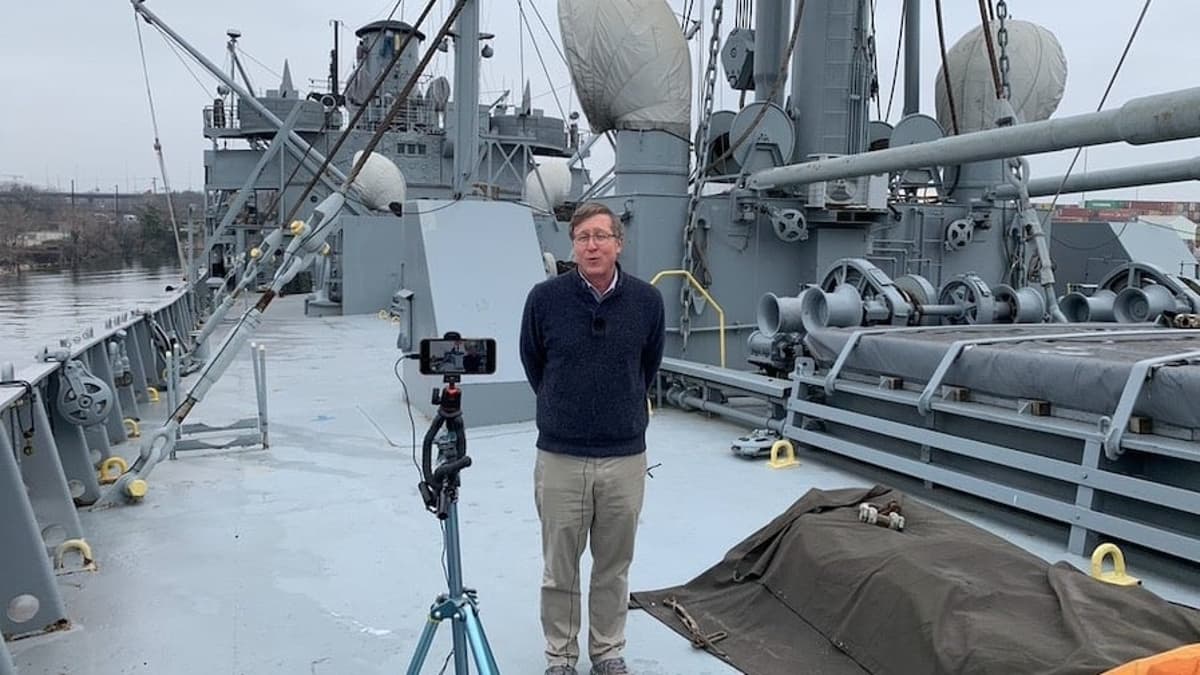
How YouTuber Johns Hopkins Brings Stories of Baltimore History to WYPR
•February 17, 2026
0
Why It Matters
The adaptation demonstrates how digital heritage content can be repurposed for public radio, expanding reach and deepening civic engagement with local history.
Key Takeaways
- •400+ videos, average 6‑minute length
- •Podcast segments limited to exactly four minutes
- •Series boosted Hopkins' local celebrity status
- •WYPR uses content to amplify community storytelling
- •Model can be replicated in other cities
Pulse Analysis
The surge of hyperlocal storytelling on platforms like YouTube has reshaped how cities preserve and share their past. Johns Hopkins turned his living‑room recordings into a prolific series that quickly attracted hundreds of viewers per episode, filling a pandemic‑induced void for cultural content. By focusing on Baltimore’s architecture, personalities, and neighborhoods, the channel built a dedicated audience while reinforcing the mission of Baltimore Heritage to protect the city’s built environment.
Translating video narratives into a four‑minute radio slot required a disciplined editorial approach. WYPR’s constraints forced Hopkins to strip each story to its essential facts, sharpening the storytelling craft and delivering bite‑sized history to commuters listening to All Things Considered. The partnership also serves public media’s broader goal of acting as a town square, offering listeners a concise yet vivid glimpse of their surroundings and encouraging on‑the‑ground exploration. Listener feedback indicates the segment has become a cultural touchstone, reinforcing community identity.
The success of this model signals a replicable blueprint for other municipalities seeking to leverage digital archives for broadcast. As 2026 marks the 250th anniversary of the Declaration of Independence, the timing is ripe for cities to launch similar micro‑history podcasts that tie heritage to contemporary events. By marrying visual content with audio brevity, organizations can broaden audience demographics, attract new donors, and sustain historic preservation initiatives across the nation.
How YouTuber Johns Hopkins brings stories of Baltimore history to WYPR
0
Comments
Want to join the conversation?
Loading comments...