Companies Mentioned
Why It Matters
Simplifying the air chain reduces failure points, cuts operational costs, and protects revenue by ensuring uninterrupted broadcast—a critical advantage in today’s competitive radio market.
Key Takeaways
- •Simplify air chain to core audio, EAS, processor.
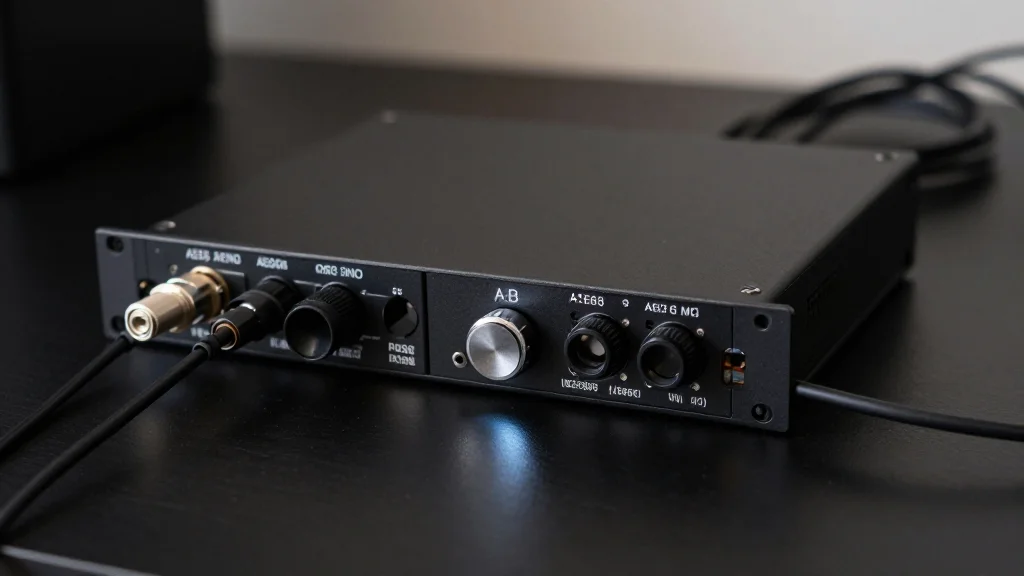
- •Use A/B switch for primary/backup instead of complex routing.
- •Maintain diverse audio paths (AES67, AES3, analog) for redundancy.
- •Prefer manual failover to stay aware of outages.
- •Deploy cheap PC with USB sound card for offline backup playout.
Pulse Analysis
The radio industry’s migration from analog consoles to IP‑based studios and cloud automation has introduced layers of software, networking gear, and third‑party services. While these technologies enable richer listener experiences—RDS metadata, HD Radio sub‑channels, and real‑time traffic alerts—they also multiply potential points of failure. Engineers now wrestle with intricate signal paths, numerous monitoring alarms, and remote management interfaces that can be harder to troubleshoot than a loose ground on a traditional 66‑block. This complexity often masks the core mission: delivering clean audio to the listener.
Preece’s experience illustrates a pragmatic counter‑approach: strip the air chain down to its essentials—audio source, Emergency Alert System, and a single processor—then add redundancy only where it truly matters. An A/B switch between primary and backup chains provides rapid failover without the need for elaborate routing matrices. Maintaining multiple, physically distinct audio feeds (AES67 over Ethernet, legacy AES3, or even analog) ensures a fallback if a network segment collapses. Manual switching, though seemingly old‑school, guarantees operators are aware of an outage, enabling faster diagnostics and preventing silent gaps that automated systems might miss.
For station owners, the payoff is measurable. Fewer components mean lower capital expenditure, reduced maintenance contracts, and a smaller footprint in rack space. More importantly, reliability translates directly into audience retention and advertising revenue; a single hour of dead air can erode listener loyalty and cost advertisers. Low‑cost offline backups—such as a Windows PC with a Focusrite USB interface running free playout software—provide a safety net when primary systems fail, buying critical time for repairs. By re‑embracing the K.I.S.S. principle, broadcasters can future‑proof their operations while keeping the music—and the money—playing.
I Have a Passion for Simplification
Comments
Want to join the conversation?
Loading comments...