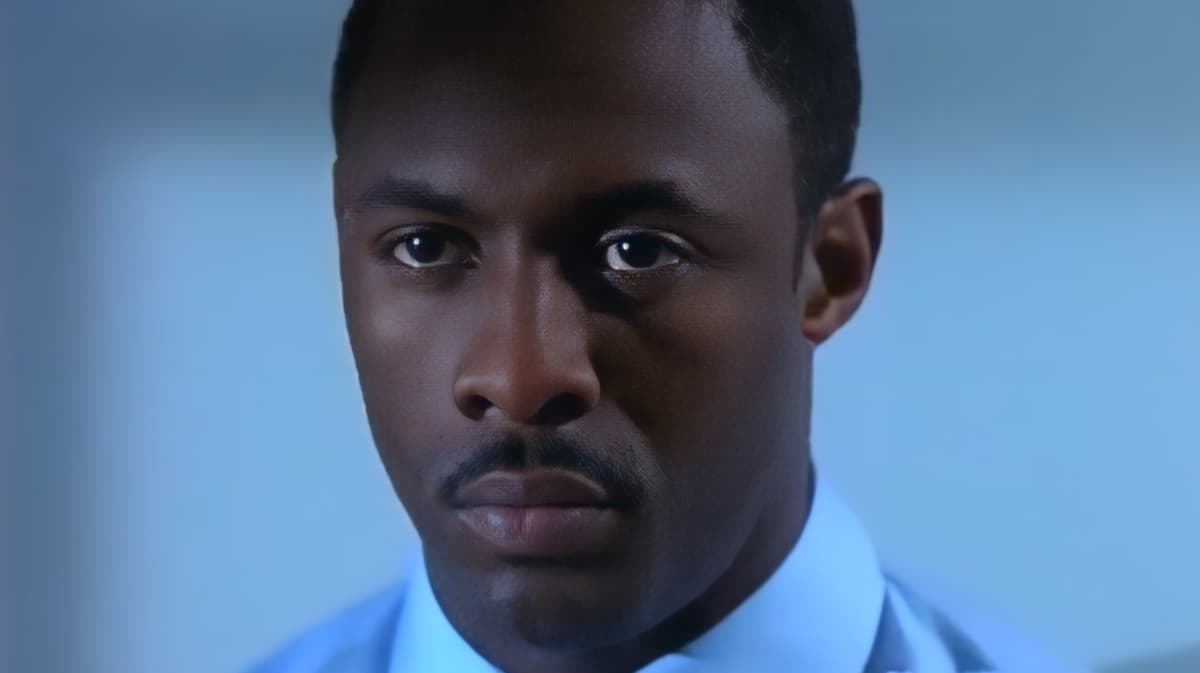
Idris Elba Appeared In A Forgotten Vampire Show That Tried To Be The British X-Files
•March 2, 2026
0
Why It Matters
Ultraviolet illustrates how 1990s television began fusing sci‑fi horror with procedural formats, influencing later genre series and highlighting Idris Elba’s early breakout role.
Key Takeaways
- •British X‑Files style vampire drama aired 1998
- •Idris Elba played soldier‑vampire hunter Vaughan
- •Six‑episode run blended procedural and scientific horror
- •Uninvolved Fox remake pilot failed to launch
- •Show contributed to Elba’s rise to stardom
Pulse Analysis
When the late 1990s television landscape was dominated by procedural dramas and emerging supernatural series, Ultraviolet arrived as a bold hybrid. Created by Joe Ahearne, the six‑episode arc placed a covert, Vatican‑backed unit at the heart of London’s vampire underworld, marrying forensic investigation with speculative science. This approach set it apart from contemporaries that relied on folklore, positioning the series as a British counterpart to the American X‑Files while retaining a distinctly gritty, urban tone.
Although Ultraviolet lasted only one season, its stylistic DNA resurfaced in later genre‑bending shows. The scientific framing of vampirism prefigured the rational‑monster investigations seen in series like Fringe and the modern resurgence of horror‑procedurals such as Penny Dreadful. Fans and critics have retrospectively praised its tight storytelling and atmospheric production values, cultivating a cult following that keeps the series relevant in discussions of early genre innovation. The show’s limited run also underscores the risk networks faced when green‑lighting horror‑fantasy hybrids during that era.
For Idris Elba, Ultraviolet served as a critical stepping stone. Portraying the ruthless soldier Vaughan, he demonstrated a commanding screen presence that caught the attention of U.S. producers, leading to his involvement in the ill‑fated Fox remake pilot. While the pilot never aired, the exposure helped bridge his transition from UK television to high‑profile American projects, including The Wire and later blockbuster films. Today, Ultraviolet is cited as an early showcase of Elba’s versatility and a reminder of how experimental series can shape both genre trajectories and individual careers.
Idris Elba Appeared In A Forgotten Vampire Show That Tried To Be The British X-Files
0
Comments
Want to join the conversation?
Loading comments...