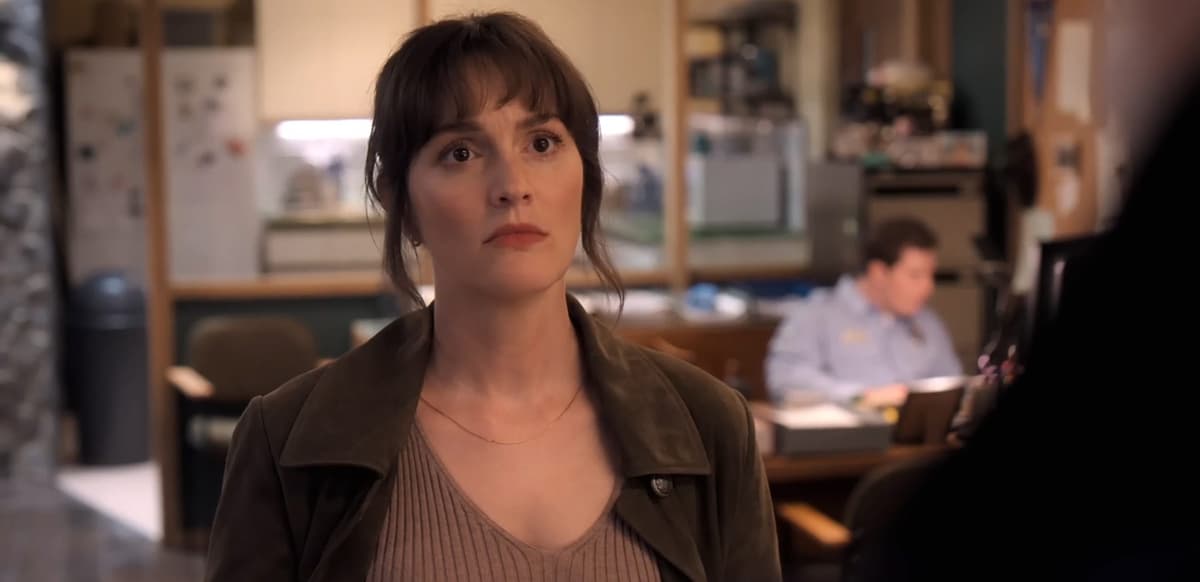
"Incredible" Police Sitcom Branded "Fun and Refreshing" Is Coming to Netflix
•February 23, 2026
0
Companies Mentioned

Why It Matters
The show's Netflix launch expands the platform’s comedy slate and highlights demand for lighthearted procedural hybrids, while its cancellation underscores the volatility of streaming‑driven series.
Key Takeaways
- •Netflix adds "Good Cop/Bad Cop" March 3 release.
- •Stars Leighton Meester and Luke Cook lead sibling detectives.
- •Show holds 91% Rotten Tomatoes, 7.1 IMDb rating.
- •Cancelled after one season despite positive critical reception.
- •Set in Pacific Northwest small-town police force.
Pulse Analysis
Netflix’s spring lineup has been bolstered by the addition of “Good Cop/Bad Cop,” a procedural comedy that arrives at a time when the streaming giant is seeking to diversify beyond drama and true‑crime staples. The platform’s algorithm favors content that can attract both binge‑watchers and casual viewers, and a light‑hearted series set in a small‑town police department fits that niche. By leveraging the recognizable names of Leighton Meester and Luke Cook, Netflix aims to tap into their existing fan bases while offering a fresh narrative hook for new subscribers.
The series blends classic buddy‑cop tropes with family‑drama nuances, positioning the sibling duo as both professional partners and members of a multigenerational policing lineage. Its comedic tone is reinforced by a colorful supporting cast and a setting that juxtaposes idyllic scenery with limited resources, creating a fertile ground for situational humor. Critical metrics—91 % on Rotten Tomatoes and a 7.1 IMDb score—indicate that the formula resonates with reviewers, who cite witty dialogue and strong chemistry as standout elements.
Despite favorable reviews, the show’s abrupt cancellation after one season highlights the precarious economics of streaming originals, where viewership thresholds and cost efficiencies often outweigh critical acclaim. For Netflix, the decision may reflect a strategic shift toward higher‑budget productions or a recalibration of genre balance. Industry observers will watch how the series’ performance influences future green‑lighting of niche comedies, especially those that rely on star power rather than franchise pedigree. The outcome underscores the broader challenge of sustaining mid‑tier scripted content in a crowded digital marketplace.
"Incredible" police sitcom branded "fun and refreshing" is coming to Netflix
0
Comments
Want to join the conversation?
Loading comments...