Indian Prime Minister’s Press Problems Travel With Him
Companies Mentioned

Why It Matters
The backlash reveals how tightly the Modi administration controls media access, chilling independent reporting and damaging India’s democratic reputation abroad. It also signals growing risks for journalists who challenge the government, even from outside the country.
Key Takeaways
- •Modi has avoided unscripted press conferences since 2014
- •Norwegian journalist Helle Lyng faced death threats after questioning Modi
- •Online trolls mobilized, prompting Meta to temporarily suspend Lyng's Instagram
- •India ranks 157th on World Press Freedom Index, near Palestine
- •Similar press‑free incidents occurred in Netherlands and US visits
Pulse Analysis
India’s media landscape has shifted dramatically under Prime Minister Narendra Modi, whose government routinely curates every public appearance. Since taking office in 2014, Modi has shunned open, unscripted press briefings, preferring tightly choreographed events that limit spontaneous questioning. This approach has helped cement India’s 157th position on the World Press Freedom Index, a stark contrast to Norway’s top ranking. The strategy reinforces a narrative control that benefits the ruling party but erodes the watchdog role of the press, leaving independent outlets vulnerable to official and unofficial pressure.
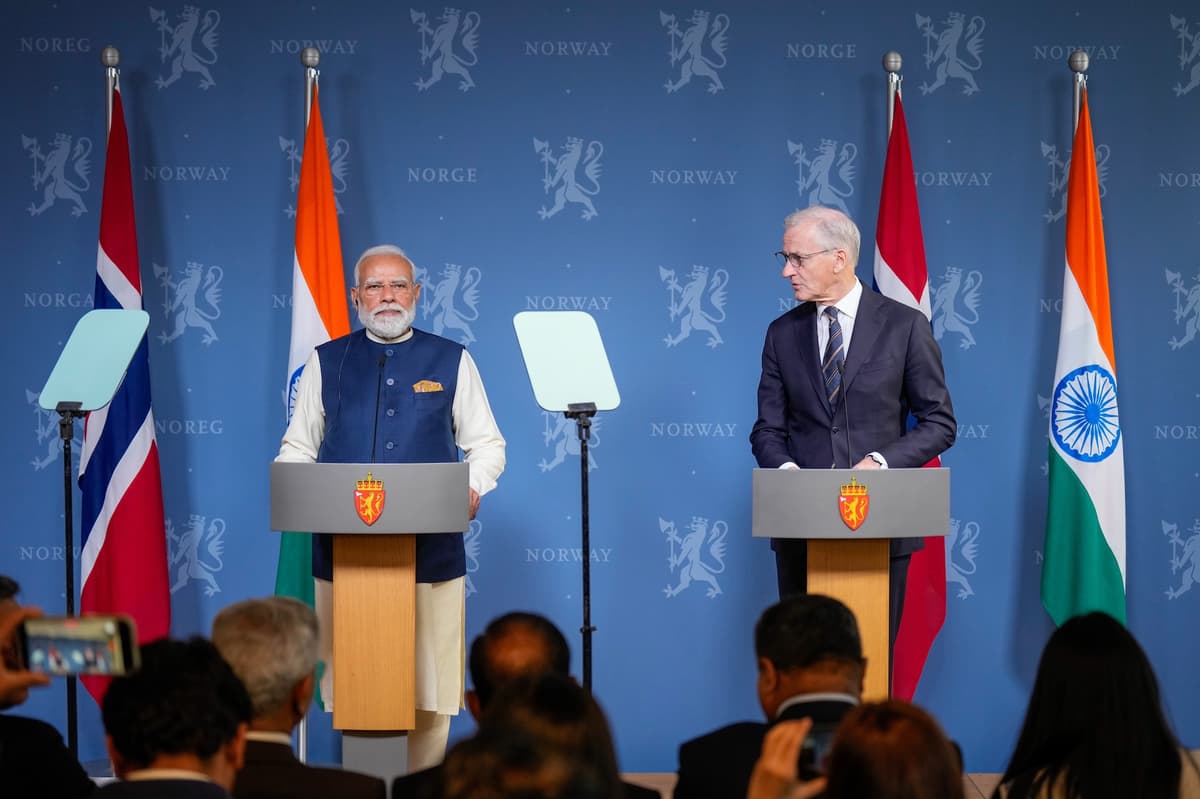
The incident in Oslo erupted when Helle Lyng, a reporter for Norway’s Dagsavisen, asked Modi why he refused to engage with the "freest press in the world." The brief clip, posted on X, amassed millions of views within hours and sparked a coordinated online assault. Trolls linked to Hindu nationalist groups flooded the comment sections with death threats, personal attacks and doxxing, prompting Meta to temporarily suspend Lyng’s Instagram account. Reporters Without Borders intervened, labeling the campaign a "vicious cyber‑harassment" effort and securing the restoration of her account. The episode mirrors earlier confrontations, such as the Dutch and U.S. press challenges, illustrating a pattern of defensive media tactics on foreign soil.
Beyond the personal harassment, the episode spotlights a broader democratic dilemma: a world’s largest democracy systematically denying routine journalistic scrutiny. The chilling effect extends to Indian reporters, many of whom reported feeling aggressive pressure from peers rather than solidarity. Internationally, the backlash tarnishes India’s image as a stable, open market, potentially influencing foreign investment and diplomatic relations. As global watchdogs and press‑freedom advocates amplify the issue, the Indian government faces mounting calls for transparent media policies, a more inclusive press ecosystem, and safeguards against digital mob retaliation. The outcome could reshape how India balances political control with democratic accountability.
Indian Prime Minister’s Press Problems Travel With Him
Comments
Want to join the conversation?
Loading comments...