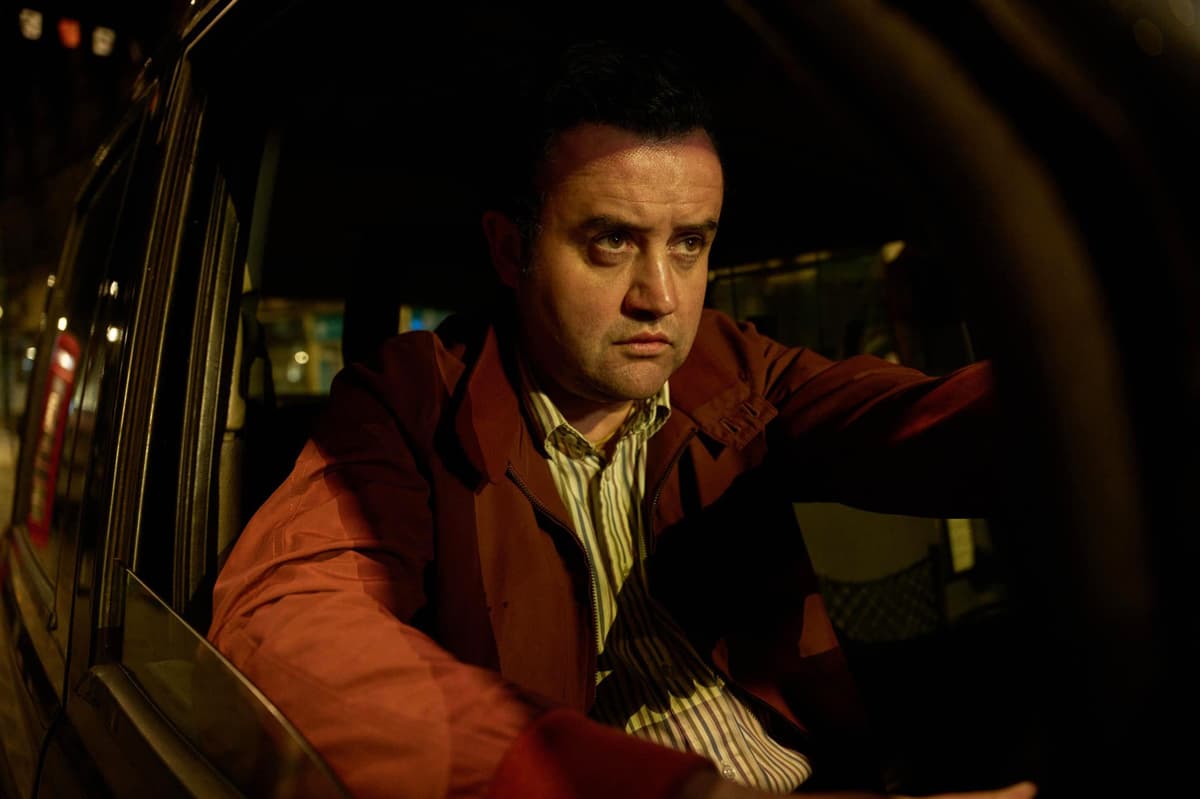
Is ITV’s Believe Me Based on a True Story? The Real-Life Horror Behind New Drama
Why It Matters
The series spotlights deep flaws in the UK justice system, amplifying survivor voices and pressuring reforms in how sexual‑assault cases are investigated and prosecuted. Its high‑profile platform may influence both public perception and future true‑crime storytelling standards.
Key Takeaways
- •ITV's "Believe Me" dramatizes John Worboys' serial assaults
- •Series centers on survivors, not the perpetrator
- •Convicted of 19 offences in 2009, four more in 2019
- •Parole board reversal sparked renewed debate on survivor treatment
- •Daniel Mays found the role unsettling as a father
Pulse Analysis
"Believe Me" arrives at a moment when true‑crime dramas dominate British television, but ITV chose a different narrative focus. Inspired by the crimes of John Worboys, the self‑styled “Black Cab Rapist,” the four‑part series shifts attention from the serial offender to the women who survived his assaults and the systemic failures that allowed him to operate for years. By fictionalising names while retaining the core facts—Worboys was convicted of 19 offences in 2009 and later of four more in 2019—the show offers a stark reminder of how evidence gaps and police inertia can devastate victims.
The drama underscores ongoing controversies surrounding the UK criminal‑justice system, particularly the 2018 parole board decision that briefly cleared Worboys for release, prompting a public outcry that forced the board to reverse its ruling. Survivors like Becki Houlston have spoken openly, demanding accountability and reforms that prioritize victim safety over procedural expediency. Legal battles depicted in the series, including the involvement of solicitor Harriet Wistrich, echo real‑world litigation that has pressured the Metropolitan Police to review its handling of sexual‑assault cases and improve reporting mechanisms.
For the entertainment industry, "Believe Me" illustrates the delicate balance between compelling storytelling and ethical responsibility. Lead actor Daniel Mays admits the scripts haunted him, especially as a parent concerned for his teenage daughter’s safety on public transport. The series’ release on ITV and streaming on ITV X reflects broadcasters’ willingness to tackle uncomfortable subjects, betting that audiences value authenticity and survivor‑centred narratives. As viewership spikes, the show may influence future productions to foreground victims’ voices, reinforcing a broader cultural shift toward empathy and systemic change.
Is ITV’s Believe Me based on a true story? The real-life horror behind new drama
Comments
Want to join the conversation?
Loading comments...