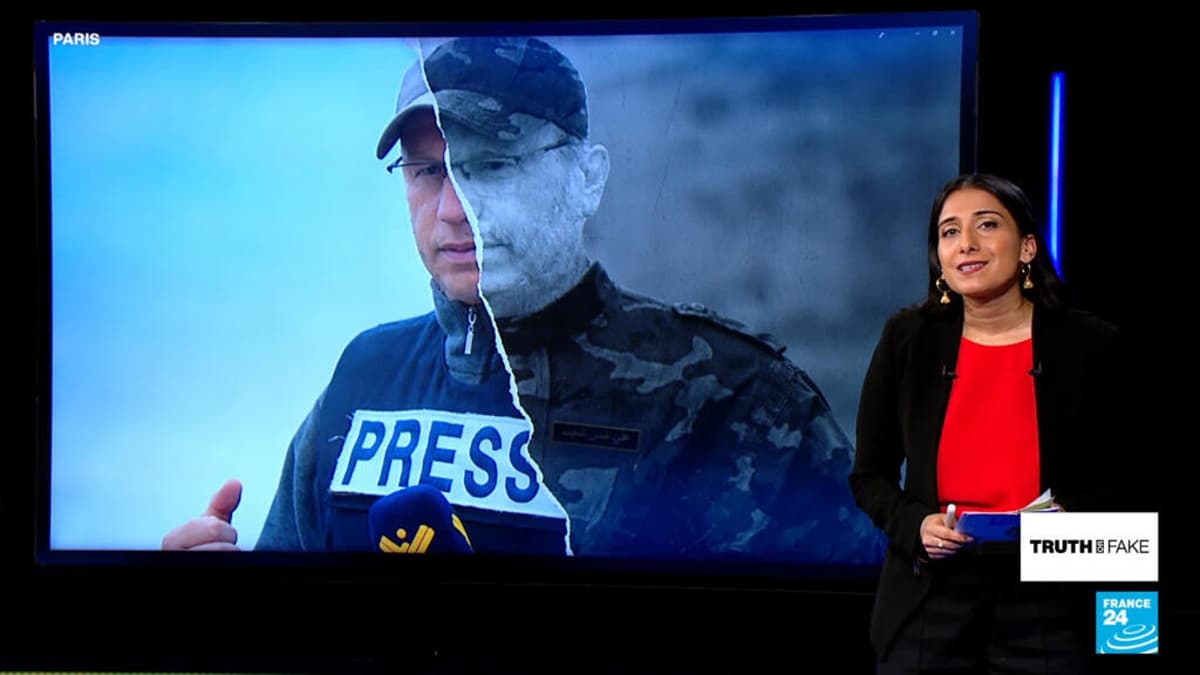
Israeli Military Admits to Posting AI Photo of Lebanese Journalist It Killed
Why It Matters
The incident highlights how AI‑generated imagery can be weaponized to reshape narratives, threatening journalistic safety and eroding trust in official communications.
Key Takeaways
- •IDF confirmed AI‑altered photo of killed journalist
- •Foreign Press Association called credibility into question
- •No evidence presented linking Shoeib to Hezbollah
- •Legal advisers deemed target lawful despite doubts
- •AI misuse may reshape future conflict propaganda
Pulse Analysis
The Israeli military’s admission that it used an AI‑generated image to label a slain Lebanese journalist as a Hezbollah operative raises profound concerns about the weaponization of synthetic media in modern warfare. While the IDF justified the strike as a legitimate counter‑terrorism action, the lack of verifiable evidence linking Ali Shoeib to militant activities undermines the legal and ethical basis for the killing. This episode illustrates how deep‑fake technology can be deployed to retroactively construct a narrative, potentially swaying public opinion and diplomatic responses without rigorous scrutiny.
Beyond the immediate controversy, the episode signals a broader shift in information warfare. State actors now possess tools that can produce convincing visual evidence in minutes, blurring the line between authentic battlefield documentation and fabricated propaganda. Media organizations, NGOs, and governments must develop rapid verification protocols and invest in forensic capabilities to counteract such disinformation. The Foreign Press Association’s outcry underscores the urgency for transparent standards governing the use of AI‑enhanced imagery by military institutions.
International law traditionally protects journalists as civilians unless they directly participate in hostilities. The IDF’s reliance on a digitally altered image to claim a combatant status for Shoeib challenges these protections and may set a dangerous precedent. If synthetic media become accepted as evidence, the threshold for deeming journalists legitimate targets could erode, threatening press freedom worldwide. Stakeholders must therefore prioritize clear guidelines and accountability mechanisms to ensure that AI tools augment, rather than undermine, the rule of law in conflict zones.
Israeli military admits to posting AI photo of Lebanese journalist it killed
Comments
Want to join the conversation?
Loading comments...