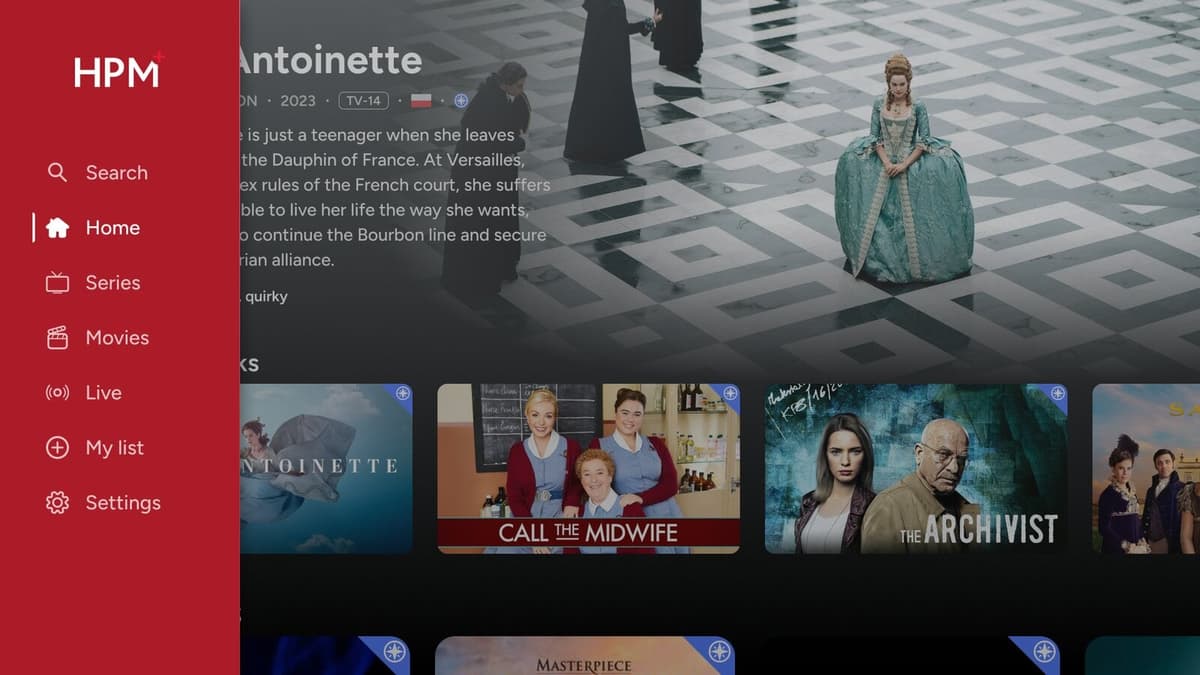
Local Public Sets Growth Goals as Stations Build Streaming Strategies
Why It Matters
By giving stations direct access to audience data and flexible monetization tools, Local Public could reshape public‑media revenue models as traditional underwriting and pledge drives weaken. Its rapid adoption signals a shift toward localized, data‑driven streaming in the nonprofit media sector.
Key Takeaways
- •Goal: 30 stations on Local Public by summer, 100 within three years
- •WETA+ conversion rate 11.2%, three times PBS app's rate
- •PBS Charlotte+ generated $24k from 546 donations, far outpacing PBS app
- •Annual subscription $60k‑$100k; Local Public Light costs $3,250/month
- •Stations gain real‑time viewership data, enabling faster programming decisions
Pulse Analysis
Public‑media broadcasters have long wrestled with a fragmented digital landscape, where the national PBS app offers limited branding and delayed analytics. Local Public enters this space as a station‑centric alternative, granting each outlet full control over its app experience and instant access to streaming metrics. This granular data empowers programmers to adjust content line‑ups on the fly, a capability that was previously reserved for commercial platforms. By addressing the latency and customization gaps of the PBS app, Local Public positions itself as a catalyst for a more agile public‑media ecosystem.
Revenue diversification is another cornerstone of Local Public’s value proposition. The platform’s tiered pricing—$60,000 to $100,000 for full‑feature deployments and a $3,250 monthly light version—offers scalable entry points for stations of varying sizes. Early results illustrate the financial upside: WETA+ sees a donor conversion rate more than triple that of the national app, and PBS Charlotte+ has turned 8,000 installs into $24,000 in donations. The forthcoming "FUUST" channels aim to blend free‑user access with underwriting support, echoing the FAST‑channel model that has reshaped commercial streaming. This hybrid approach could unlock new underwriting streams while preserving the nonprofit mission.
The broader market implications are significant. As stations adopt Local Public, the platform could become a de‑facto standard for localized streaming, prompting larger entities like PBS to consider integration or partnership. Word‑of‑mouth growth, as seen with OPB and RMPBS, suggests a network effect that may accelerate adoption without heavy marketing spend. If the platform scales to its 100‑station target, it could redefine how public media monetizes digital audiences, potentially prompting a consolidation of streaming apps and a more unified front against commercial competitors. The next few years will reveal whether Local Public can sustain its momentum and reshape the financial architecture of public broadcasting.
Local Public sets growth goals as stations build streaming strategies
Comments
Want to join the conversation?
Loading comments...