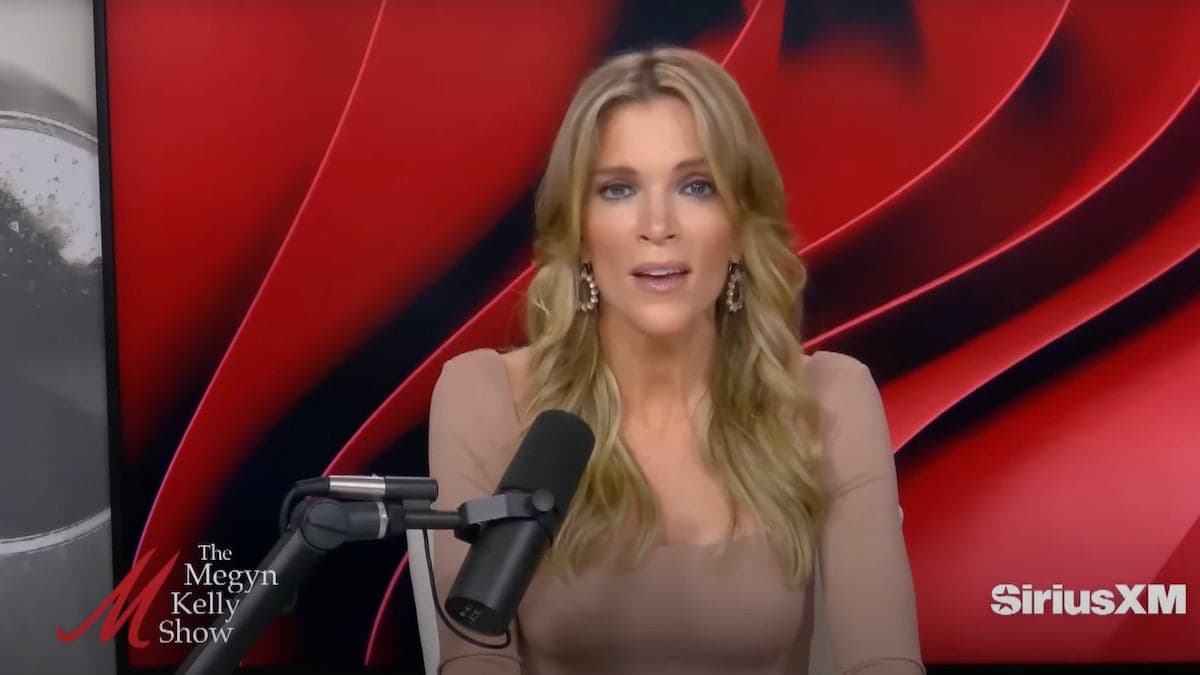
Megyn Kelly Rips ’60 Minutes,’ Bari Weiss for ‘Bulls–T’ Edits to Pete Hegseth Interview: ‘Not Fair and Balanced’ | Video
•March 9, 2026
0
Why It Matters
The allegation raises questions about journalistic integrity and could erode audience trust in mainstream outlets during a volatile geopolitical crisis.
Key Takeaways
- •Kelly alleges CBS edited Hegseth interview for pro-Israel slant
- •Edited segment removed right‑wing criticism question, altered context
- •Bari Weiss, CBS chief, accused of pushing agenda
- •Controversy highlights media bias concerns amid Israel‑Iran conflict
- •Kelly supports Trump but questions war’s justification
Pulse Analysis
The controversy erupted after Megyn Kelly aired a clip on her show suggesting that CBS’s flagship news program, "60 Minutes," had deliberately re‑edited an interview with former Army Secretary Pete Hegseth. According to Kelly, the edit excised a question about criticism from right‑wing voices and replaced it with a voice‑over linking Hegseth’s remarks to a pro‑Israel narrative. Bari Weiss, recently appointed as CBS’s editor‑in‑chief, has been singled out as the architect of this shift, fueling accusations that the network is pursuing a specific geopolitical agenda.
Beyond the specifics of the Hegseth interview, the incident taps into broader anxieties about media bias in an era of heightened political polarization. Viewers increasingly scrutinize how news outlets frame coverage of the Israel‑Iran conflict and U.S. military involvement, fearing that selective editing can shape public perception and policy support. Kelly’s criticism, amplified by her sizable audience, may intensify calls for greater transparency in editorial practices, potentially prompting newsrooms to adopt stricter oversight mechanisms to preserve credibility.
The episode also illustrates the growing influence of media personalities in shaping news narratives. Figures like Kelly leverage their platforms to challenge traditional news institutions, blurring the lines between commentary and reporting. As networks grapple with balancing editorial independence against accusations of partisanship, the fallout from this dispute could affect advertising revenue, audience loyalty, and even regulatory scrutiny. Ultimately, the incident underscores the delicate interplay between journalistic standards and the commercial pressures driving modern news production.
Megyn Kelly Rips ’60 Minutes,’ Bari Weiss for ‘Bulls–t’ Edits to Pete Hegseth Interview: ‘Not Fair and Balanced’ | Video
0
Comments
Want to join the conversation?
Loading comments...