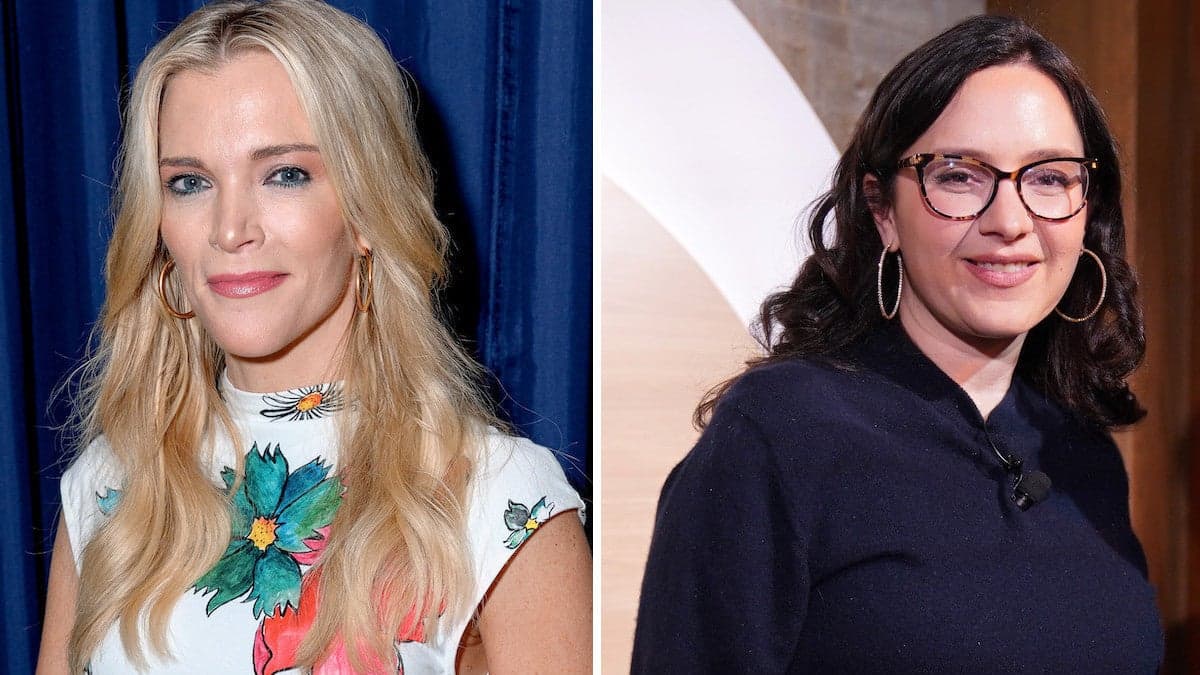
Megyn Kelly Rips Bari Weiss’ CBS for Protecting Netanyahu by Editing ‘Anti-American’ Comments on ’60 Minutes’ | Video
Why It Matters
The controversy underscores how editorial choices in covering the Israel‑Palestine conflict can shape public perception and erode trust in mainstream news outlets.
Key Takeaways
- •Megyn Kelly accuses CBS of censoring Netanyahu's anti‑American remarks.
- •Edited broadcast omitted Netanyahu's claims about foreign bot farms influencing U.S. opinion.
- •Full 80‑minute interview released on YouTube, showing missing segments.
- •Critics say edit shields Netanyahu; supporters praise interview’s rapid acquisition.
- •Debate highlights media scrutiny of bias in Israel‑Palestine reporting.
Pulse Analysis
The rapid production of Benjamin Netanyahu's first U.S. television interview since the Iran war began marked a notable journalistic feat for CBS's "60 Minutes." Within 24 hours, the newsmagazine secured a sit‑down with the Israeli leader, offering audiences a rare glimpse into his perspective on the conflict. This speed, driven by editor Bari Weiss, illustrates how legacy broadcasters are adapting to the demand for timely, exclusive content in an era dominated by digital news cycles.
However, the decision to trim the interview for the linear broadcast ignited a firestorm. Megyn Kelly highlighted that the aired segment omitted Netanyahu's assertions about organized bot farms and his characterization of dissenting Americans as anti‑American. By excising these points, CBS presented a narrower narrative that some view as shielding the prime minister from criticism. The full 80‑minute version, later posted on YouTube, revealed the missing context, prompting debates over journalistic integrity, editorial bias, and the responsibility of news outlets to provide comprehensive coverage of contentious geopolitical issues.
The fallout reflects a broader industry tension between editorial discretion and audience expectations for transparency. As streaming platforms and social media make unedited footage readily accessible, broadcasters face pressure to balance concise storytelling with full disclosure. The incident may prompt news organizations to reconsider how they handle politically sensitive interviews, potentially adopting dual‑release strategies—short broadcast cuts paired with readily available full recordings—to maintain credibility while meeting programming constraints.
Megyn Kelly Rips Bari Weiss’ CBS for Protecting Netanyahu by Editing ‘Anti-American’ Comments on ’60 Minutes’ | Video
Comments
Want to join the conversation?
Loading comments...