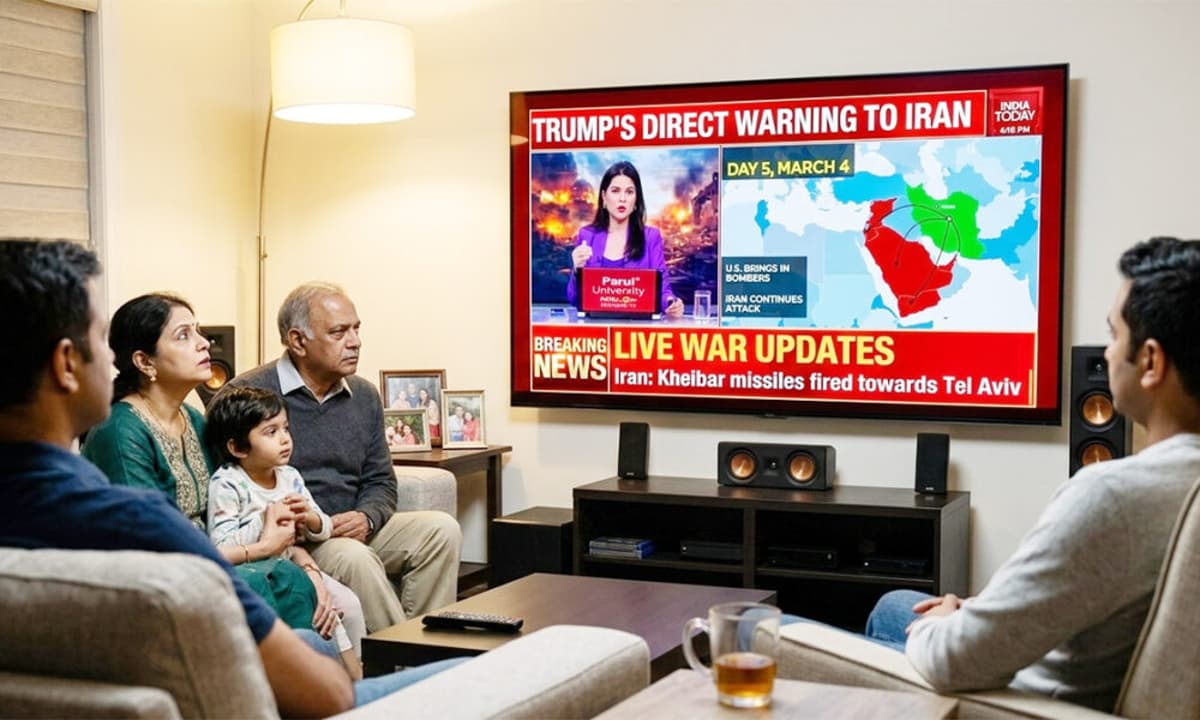
MIB Halts News TRPs for Four Weeks over Sensational US-Iran Conflict Coverage
•March 6, 2026
0
Why It Matters
Halting TRPs pressures news outlets to prioritize responsible journalism, while OTT bans reinforce compliance with India’s content standards, affecting advertising revenue and market entry strategies.
Key Takeaways
- •MIB suspends news channel TRPs for four weeks
- •Aim: curb panic‑mongering over US‑Iran conflict coverage
- •OTT platforms blocked for explicit content under IT Act
- •Action signals stricter Indian media regulation
- •Ratings pause may reduce sensationalism incentives
Pulse Analysis
The Indian government’s decision to freeze television news ratings reflects a broader effort to curb sensationalism that can exacerbate public anxiety during geopolitical crises. By removing the immediate metric that drives advertising dollars, regulators hope broadcasters will shift focus from headline‑grabbing tactics to measured reporting. This move also gives policymakers a window to monitor tone and content without the pressure of weekly rating spikes, potentially reshaping the competitive dynamics of the news market.
Simultaneously, the Ministry of Information and Broadcasting’s crackdown on five lesser‑known OTT services highlights the expanding reach of India’s digital content framework. Under the Information Technology Act, platforms must enforce age‑based classification, grievance‑redressal mechanisms, and restrictions on explicit material. The recent bans serve as a warning to emerging streaming apps that operate outside the established three‑tier compliance model, prompting them to either align with regulatory expectations or face access blocks. This enforcement trend is likely to drive consolidation, as smaller players either merge with larger, compliant services or exit the market.
Together, these regulatory actions signal a tightening of media oversight that could have lasting implications for both traditional broadcasters and digital entrants. Advertisers may reassess spend allocations, favoring outlets that demonstrate adherence to content standards, while investors will scrutinize compliance risk in media portfolios. For consumers, the balance between free expression and responsible reporting becomes a focal point, as authorities argue that public order and mental well‑being justify temporary data suspensions and platform bans. The evolving landscape suggests that media entities will need robust governance frameworks to navigate India’s increasingly assertive regulatory environment.
MIB halts news TRPs for four weeks over sensational US-Iran conflict coverage
0
Comments
Want to join the conversation?
Loading comments...