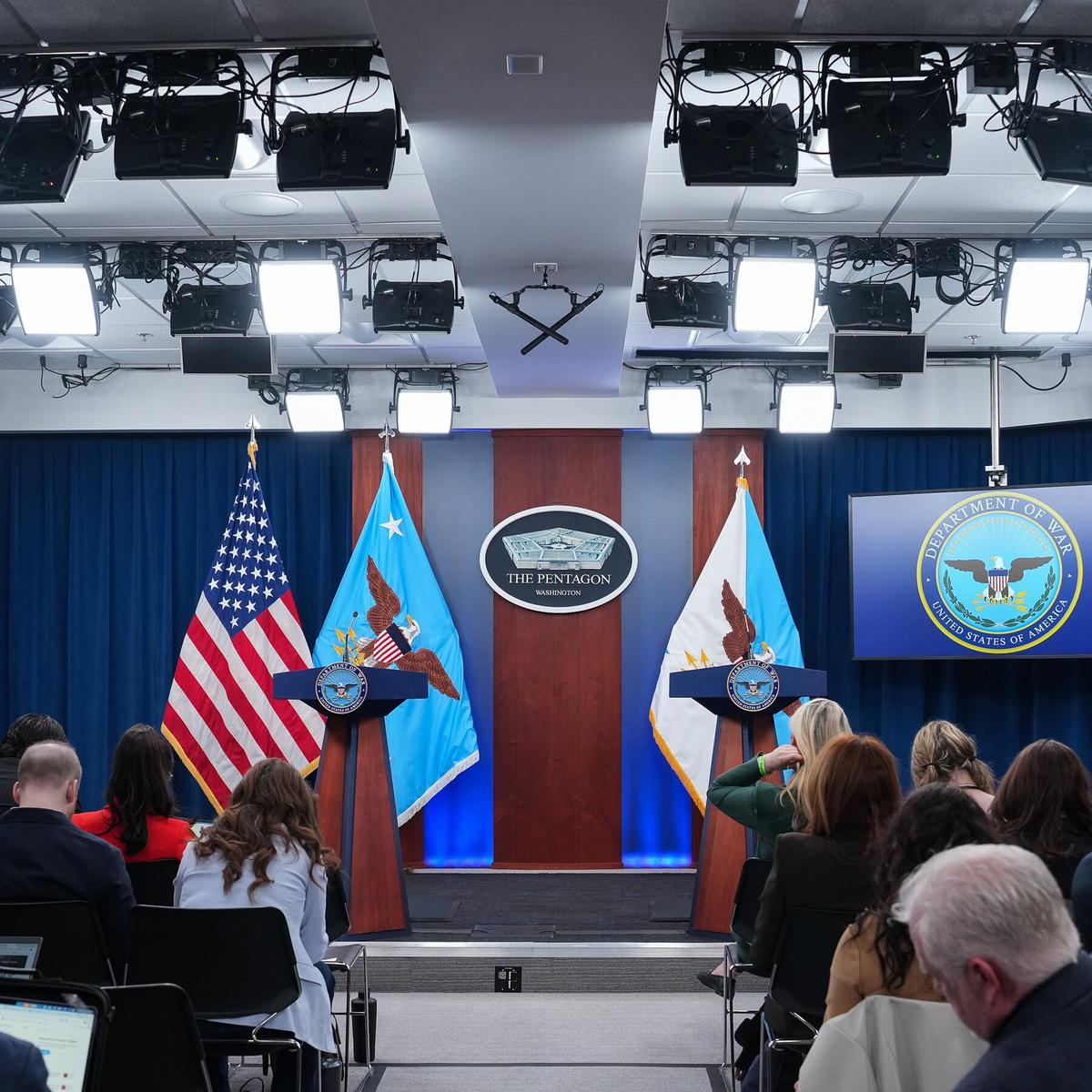
New York Times Sues Pentagon for a Second Time
Companies Mentioned
New York Times
Why It Matters
The case tests the balance between national‑security protocols and constitutional press freedoms, potentially reshaping how the government interacts with journalists. A ruling could set precedent for access rights to federal facilities nationwide.
Key Takeaways
- •Pentagon’s escort rule mandates appointments, wait times, and constant supervision
- •NYT claims policy infringes First Amendment press freedoms
- •Lawsuit seeks court order to eliminate mandatory escort requirement
- •Follows earlier NYT suit over Trump‑era media restrictions
Pulse Analysis
The Pentagon’s recent escort mandate reflects a broader trend of tightening security protocols around federal facilities, but it collides with long‑standing First Amendment protections for the press. By requiring journalists to schedule appointments, wait for clearance, and remain under constant supervision, the Department of Defense argues it safeguards sensitive information. Critics, however, contend that such procedural hurdles create a chilling effect, discouraging timely reporting on defense matters and undermining the public’s right to know. The New York Times’ lawsuit underscores the tension between operational security and open government, echoing past disputes over media access in the post‑9/11 era.
Legal scholars note that the courts have historically been wary of blanket restrictions on newsgathering, especially when they appear to favor governmental convenience over constitutional rights. In the 1970s, the Supreme Court struck down similar constraints on reporters covering the White House, emphasizing the need for a "free flow of information" in a democratic society. The current case will likely examine whether the Pentagon’s policy is narrowly tailored to a compelling interest or whether it imposes an unnecessary burden that outweighs any security benefits. A favorable ruling for the Times could reinforce precedents that limit the government’s ability to impose procedural barriers on the press.
Beyond the legal ramifications, the lawsuit carries practical implications for the media industry. Newsrooms allocate significant resources to navigate access protocols, and an escort requirement could increase costs and delay reporting on critical defense issues, from procurement contracts to overseas operations. If the court mandates the removal of the escort rule, it may prompt a reassessment of security procedures across other federal agencies, encouraging more transparent, yet still secure, engagement with journalists. Conversely, a decision upholding the policy could embolden other departments to adopt similar measures, reshaping the landscape of press‑government interaction for years to come.
New York Times Sues Pentagon for a Second Time
Comments
Want to join the conversation?
Loading comments...