Companies Mentioned
Why It Matters
The downsizing underscores mounting financial strain on public‑media outlets and raises questions about NPR’s cost‑cutting strategy. It also spotlights labor‑union concerns over equitable burden‑sharing among executives and staff.
Key Takeaways
- •NPR cuts ~4% of content division staff.
- •Fewer than 30 employees leave, mostly via buyouts.
- •Layoffs affect less than 1% of total NPR workforce.
- •Union raises concerns about executive contribution to cuts.
Pulse Analysis
NPR’s latest staffing reductions reflect a broader revenue squeeze hitting public‑media organizations nationwide. Membership contributions and corporate sponsorships, long‑standing pillars of NPR’s budget, have slipped amid audience fragmentation and advertiser pullback. In response, the network rolled out a voluntary buyout program earlier this month, aiming to trim costs without resorting to mass involuntary layoffs. The strategy mirrors moves by other nonprofit newsrooms that are turning to early‑retirement incentives and restructuring to preserve core reporting functions while balancing shrinking cash flows.
The execution of the buyout plan resulted in the departure of fewer than 30 staff members, with roughly 18 opting for the voluntary exit and ten journalists being laid off outright. The cuts, confined to the content division, amount to about a 4% headcount reduction in that unit and under 1% of NPR’s overall workforce. Notable exits include veteran political correspondent Don Gonyea and managing editor Vickie Walton‑James, who chose buyouts, while science correspondent Nell Greenfieldboyce was among those laid off. The Screen Actors Guild‑American Federation of Television and Radio Artists union has publicly questioned whether senior executives will share the financial pain, signaling potential labor‑management tension.
Industry analysts view NPR’s actions as a bellwether for the sustainability of flagship public broadcasters. As digital platforms siphon audiences and donors, legacy outlets must innovate revenue models or risk further cuts. The current episode may prompt NPR to accelerate digital monetization, explore new underwriting partnerships, or restructure its newsroom hierarchy. For stakeholders, the key takeaway is that fiscal prudence will increasingly dictate editorial capacity, making transparent leadership decisions and equitable cost‑sharing essential to maintaining trust and journalistic quality.
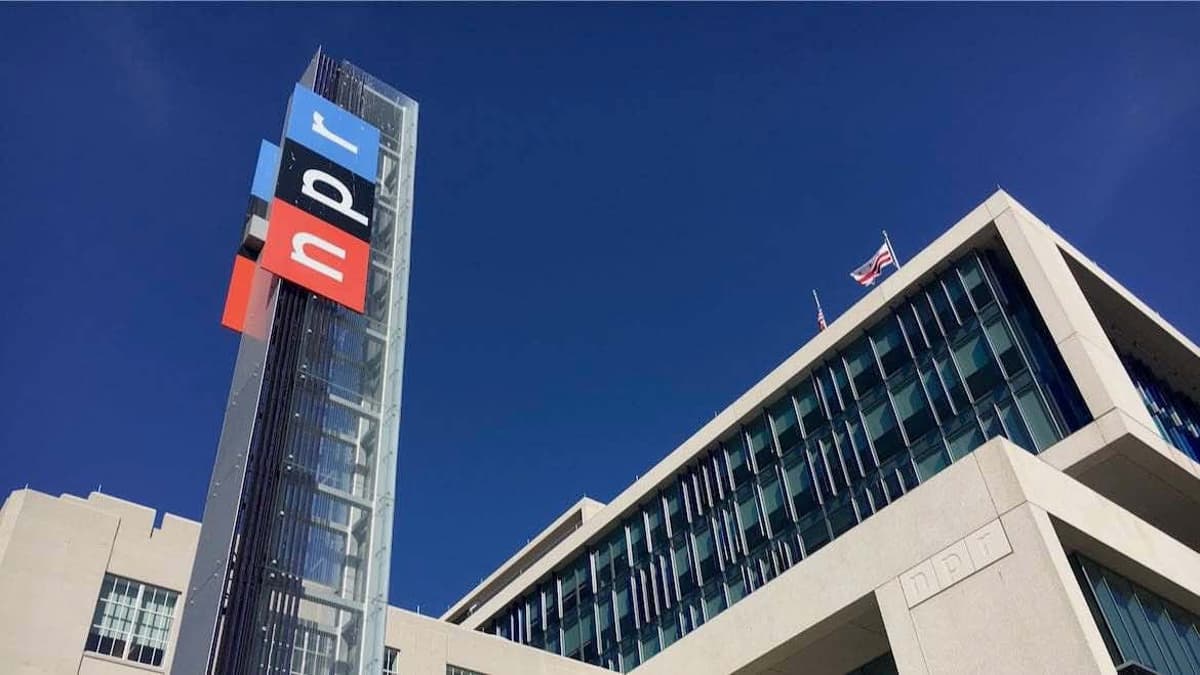
NPR reduces staff through layoffs, buyouts
Comments
Want to join the conversation?
Loading comments...