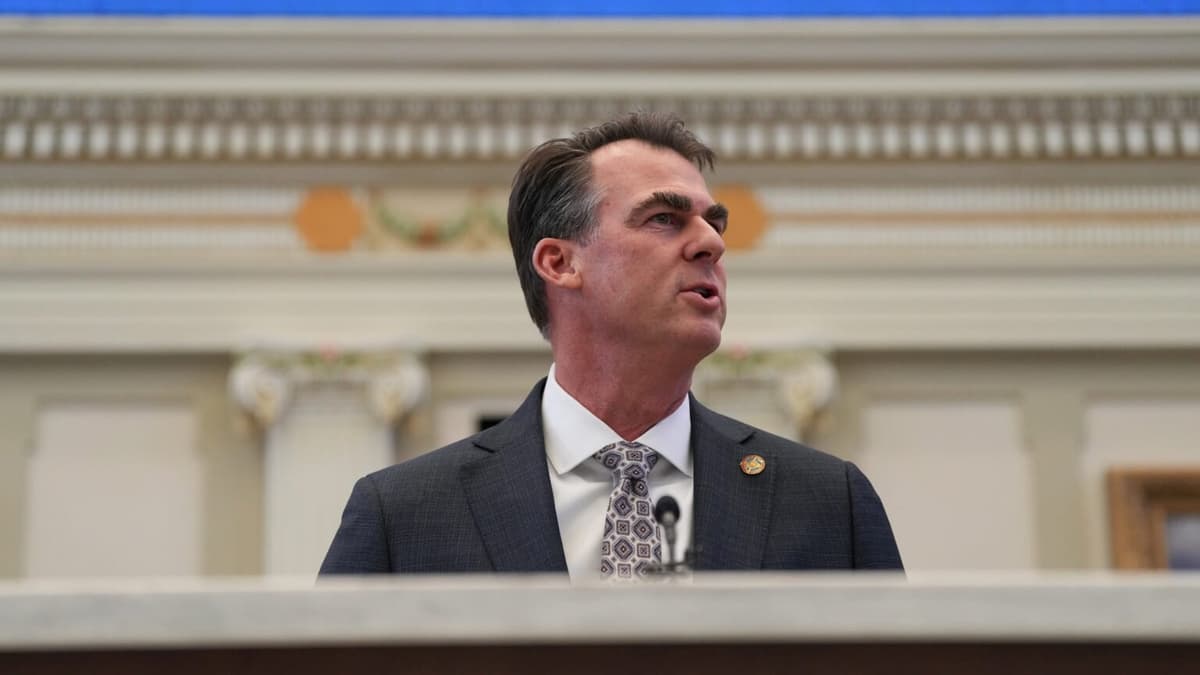
Oklahoma Governor Vetoes OETA Continuation, Objects to Publicly Funded Broadcasting
Companies Mentioned
Why It Matters
The decision could end state‑funded public broadcasting in Oklahoma, affecting educational programming and critical emergency‑alert infrastructure for hundreds of thousands of residents.
Key Takeaways
- •Stitt vetoed Senate Bill 1461, ending OETA funding after July 1
- •OETA serves 650,000 weekly viewers and provides emergency alerts statewide
- •Legislature may attempt override; Senate action remains uncertain before session ends
- •2027 budget still allocates $2.84 million to OETA despite veto
- •Critics label public TV a non‑core function, echoing Trump’s funding cuts
Pulse Analysis
Oklahoma’s public‑broadcasting debate resurfaced when Governor Kevin Stitt vetoed Senate Bill 1461 and House Bill 3320, blocking a five‑year extension for the Oklahoma Educational Television Authority. Stitt’s stance aligns with a broader Republican push to eliminate taxpayer subsidies for media, echoing former President Donald Trump’s successful effort to cut federal funding for NPR and PBS. By positioning public TV as a non‑core government function, the governor frames the issue as fiscal responsibility, even as OETA continues to receive $2.84 million in the 2027 budget.
OETA’s role extends beyond educational programming; it operates a statewide network that reaches roughly 650,000 weekly viewers and serves as a critical conduit for emergency alerts, including severe‑weather warnings and AMBER notices. The station’s infrastructure—tower arrays, transmission facilities, and digital platforms—provides a public‑safety backbone that many rural communities rely on. Losing state funding could force OETA to lean heavily on private donations and advertising, potentially jeopardizing the consistency and reach of these essential services, especially during natural‑disaster events.
The legislative path forward remains uncertain. While Oklahoma’s House already overrode the veto on HB 3320, the Senate must act before the session closes, or the issue may be revisited next year. Past overrides of Stitt’s vetoes suggest a willingness among lawmakers to preserve public‑media assets, but the governor’s consistent opposition to sunset extensions signals a deeper policy clash. Stakeholders—from educators to emergency‑management officials—are watching closely, as the outcome will shape the future funding model for public broadcasting not only in Oklahoma but also as a bellwether for similar debates nationwide.
Oklahoma governor vetoes OETA continuation, objects to publicly funded broadcasting
Comments
Want to join the conversation?
Loading comments...