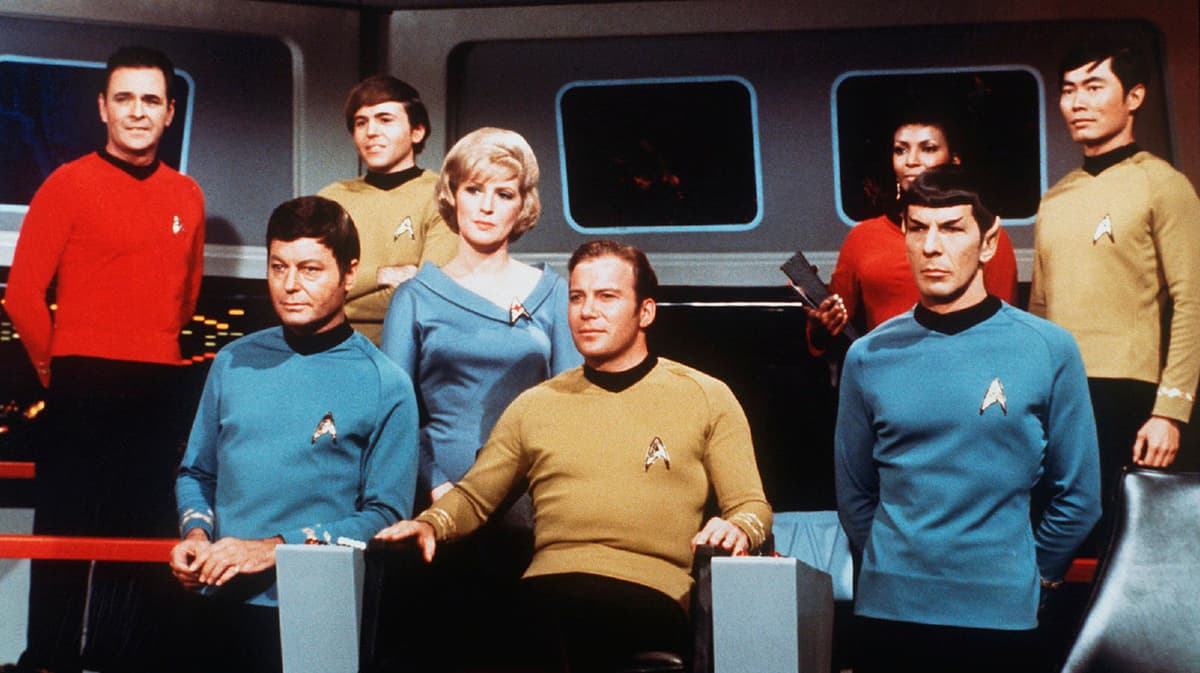
One Of Star Trek's Earliest Parody Shows Came From Get Smart's Co-Creator
Companies Mentioned
Why It Matters
*Quark* illustrates how timing and network pressure can turn a niche satire into a short‑lived parody, offering a cautionary tale for creators seeking creative control in a franchise‑driven market.
Key Takeaways
- •Buck Henry, co‑creator of Get Smart, created sci‑fi parody Quark.
- •Quark aired pilot May 7 1977, then seven episodes after Star Wars success.
- •Series satirized Star Trek, Star Wars, 2001, Buck Rogers, Flash Gordon.
- •Creator wanted satire, not pure parody; network ignored his vision.
- •Quark DVD released 2008, now out of print and not streaming.
Pulse Analysis
When *Star Trek* first left the airwaves in the mid‑1960s, its earnest optimism made it a ripe target for humor. Buck Henry, already known for the sharp spy spoof *Get Smart* and the Oscar‑winning screenplay for *The Graduate*, seized the moment to craft *Quark*, a space‑faring farce that blended absurd characters—like a gender‑fluid engineer and a sentient plant—with tongue‑in‑cheek references to contemporary sci‑fi. By positioning the show at the intersection of satire and parody, Henry aimed to elevate comedy beyond slapstick, drawing inspiration from Polish author Stanislaw Lem.
The timing of *Quark* proved pivotal. Its pilot aired on May 7 1977, mere weeks before *Star Wars* exploded at the box office, igniting a cultural frenzy for space adventures. NBC, eager to capitalize on the momentum, expanded the series to seven additional episodes, debuting the overtly titled "May the Source Be with You" in February 1978. While the series poked fun at *Star Trek*, *Star Wars*, *2001: A Space Odyssey*, and even upcoming revivals of *Buck Rogers* and *Flash Gordon*, the network’s push for broad appeal clashed with Henry’s desire for a more literary satire, resulting in a tone that felt uneven to both critics and audiences.
Although *Quark* vanished after eight episodes and never secured a streaming home, its brief existence left an imprint on the evolution of genre parody. The show’s cult following, bolstered by a limited DVD release in 2008, underscores the enduring appetite for smart, self‑referential sci‑fi humor. Modern creators can learn from *Quark*’s missteps: aligning creative intent with market forces is essential, especially when navigating beloved franchises. In an era where streaming platforms revive niche classics, *Quark* serves as a reminder that timing, tone, and network support collectively determine whether a parody becomes a timeless cult gem or a forgotten footnote.
One Of Star Trek's Earliest Parody Shows Came From Get Smart's Co-Creator
Comments
Want to join the conversation?
Loading comments...