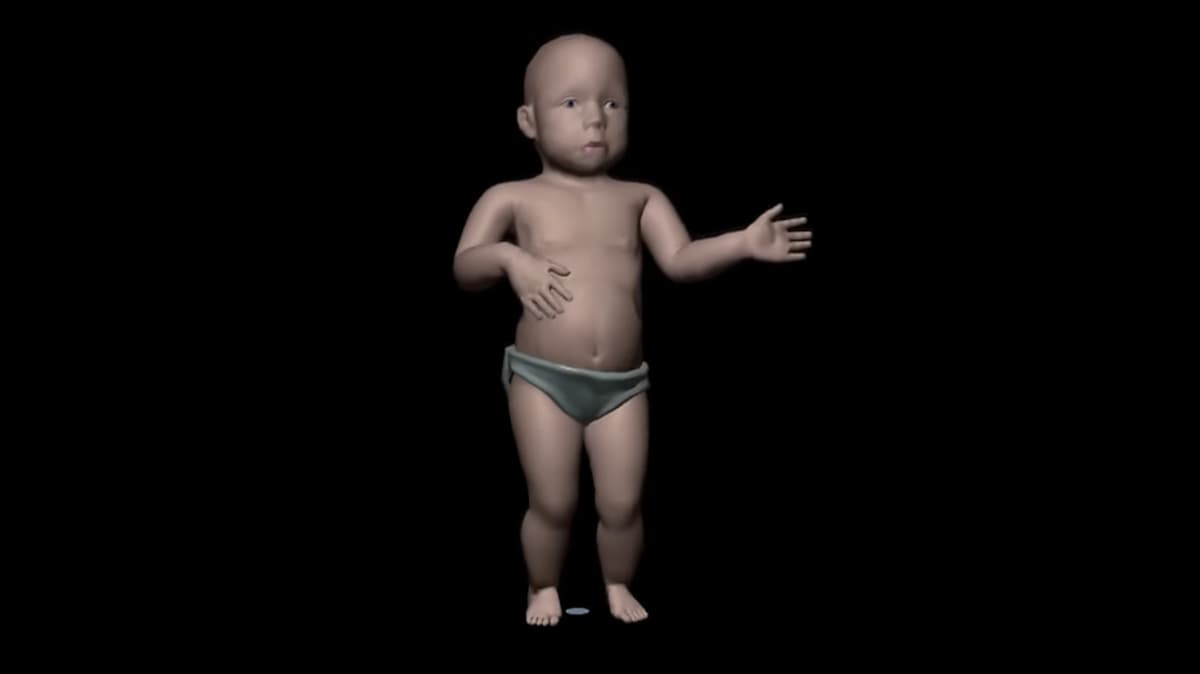
One Of The Internet's First Memes Was Immortalized On A Quirky Hit TV Show
•February 20, 2026
0
Companies Mentioned

Why It Matters
It demonstrated how digital culture could influence mainstream media, foreshadowing today’s rapid meme‑to‑TV pipeline and shaping audience expectations around cross‑platform storytelling.
Key Takeaways
- •Dancing Baby originated from 1995 Rhythm & Hues animation
- •Meme spread via email and CompuServe before TV
- •Ally McBeal integrated meme in episode “Cro‑Magnon.”
- •Episode used baby as metaphor for women’s career‑family choices
- •First internet meme to achieve national TV exposure
Pulse Analysis
The Dancing Baby’s journey began in a modest VFX studio, where animator Robert Lurye crafted a series of quirky 3‑D skins for a skeletal dance program. When a LucasArts employee discovered the baby file and posted it to a CompuServe forum, the animation quickly became a viral email attachment, illustrating the nascent power of peer‑to‑peer sharing before broadband and social platforms existed. Its unsettling rhythm and low‑poly charm captured the imagination of early internet users, turning a simple test file into a cultural touchstone.
When Fox’s Ally McBeal entered production, creator David E. Kelley recognized the meme’s buzz potential and repurposed it for the show’s “Cro‑Magnon” episode. The dancing infant appeared on a computer screen as Ally McBeal wrestled with the societal pressure to start a family, turning a quirky animation into a visual metaphor for the protagonist’s internal conflict. This integration not only amplified the episode’s emotional resonance but also signaled a new era where television could harness internet phenomena to deepen storytelling and attract tech‑savvy viewers.
The Baby Cha moment set a precedent for meme migration from digital niches to mainstream broadcast, a pathway now routine in an age of TikTok‑driven content. It highlighted the commercial viability of viral assets and foreshadowed the rapid feedback loop between online culture and network programming. Today, producers monitor meme trends in real time, leveraging them for instant relevance, while the Dancing Baby remains a historic reminder of how a simple 3‑D model can reshape media strategies and audience expectations.
One Of The Internet's First Memes Was Immortalized On A Quirky Hit TV Show
0
Comments
Want to join the conversation?
Loading comments...