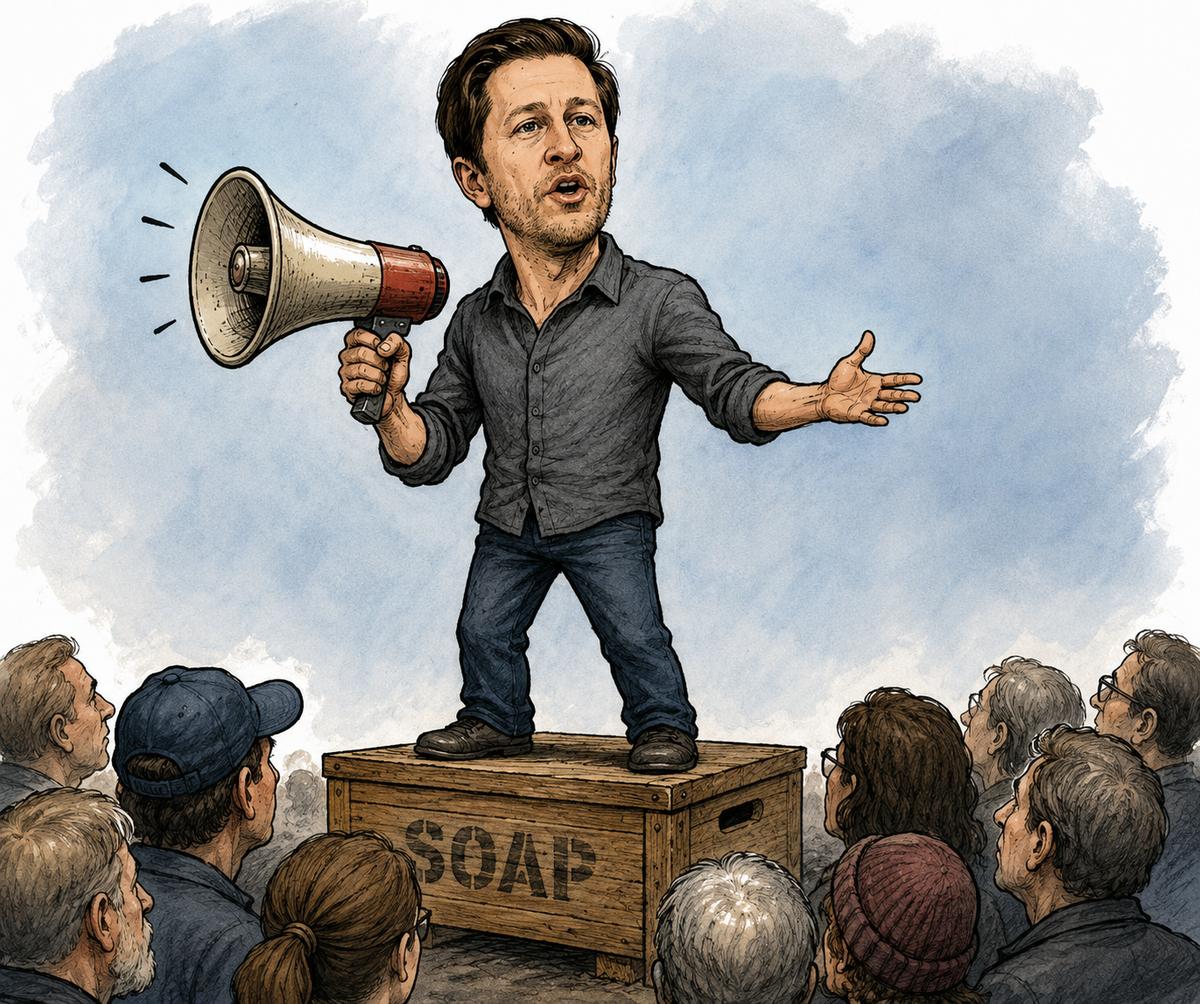
Pakman Suggests YouTube Systems Are Reducing Exposure for Left-Leaning Indie Channels

Why It Matters
If YouTube’s system unintentionally marginalizes progressive creators, it reshapes the media landscape, limits audience reach, and raises questions about platform fairness and revenue distribution for independent news outlets.
Key Takeaways
- •Impressions fell from 15M to 10M daily for Pakman's channel
- •Click‑through rate stayed near 8%, indicating audience interest unchanged
- •Subscribers report videos not appearing despite notifications enabled
- •Right‑leaning channels reportedly did not experience similar impression drops
- •Pakman urges direct subscriptions and Substack to bypass algorithm
Pulse Analysis
YouTube’s recommendation architecture has become a flashpoint for creators who depend on organic discovery to grow audiences. David Pakman’s recent video highlights a stark 33% drop in daily impressions—down from 15 million to 10 million—while his click‑through rate remains steady at roughly 8%. The discrepancy suggests that the platform’s algorithm, which prioritizes watch time and retention metrics, may be deprioritizing certain political content without explicit intent. Such shifts can dramatically affect ad revenue and subscriber growth for independent media that lack the backing of major networks.
The issue reverberates beyond a single channel, feeding a broader debate about algorithmic transparency and the concentration of traffic in the hands of a few tech giants. While Pakman reports that right‑leaning creators appear less affected, other creators across the political spectrum have voiced similar concerns about sudden visibility drops. In contrast, platforms like TikTok, Instagram, Snapchat, and podcast networks continue to deliver stable or rising engagement for his content, underscoring the strategic advantage of a diversified distribution mix. Many creators now encourage direct subscriptions, email newsletters, and alternative hosting to hedge against platform volatility.
Regulators and policymakers are increasingly scrutinizing the power of recommendation engines, especially when they influence public discourse. For progressive independent outlets, the immediate takeaway is to build resilient audience relationships that do not rely solely on algorithmic placement. Investing in owned media—email lists, Substack newsletters, and community forums—can preserve reach and monetization even if YouTube’s system recalibrates. As the digital media ecosystem evolves, creators who adapt by diversifying channels and demanding greater transparency will be better positioned to navigate algorithmic uncertainty.
Pakman Suggests YouTube Systems are Reducing Exposure for Left-Leaning Indie Channels
Comments
Want to join the conversation?
Loading comments...