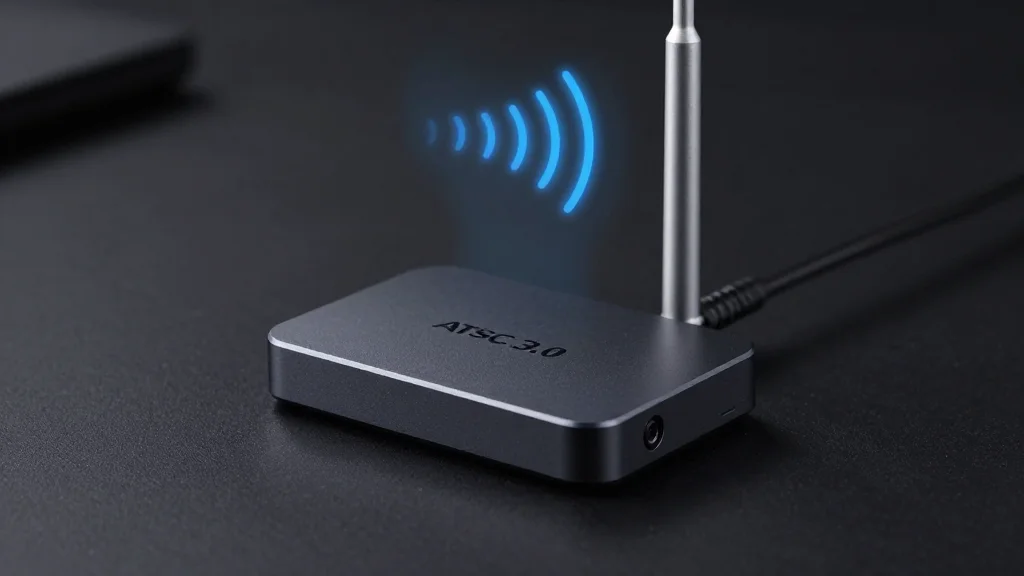
Pearl TV Launches NextGen TV Converter Box Program Targeting 15 Million OTA Households

Companies Mentioned
Why It Matters
The converter‑box program could revitalize the OTA segment, offering broadcasters a new revenue stream through targeted advertising and data services embedded in ATSC 3.0 signals. For consumers, affordable hardware lowers the barrier to high‑definition, interactive TV without a subscription, potentially reshaping viewing habits and advertising models. Moreover, a successful rollout may pressure the FCC to set a definitive transition timeline, accelerating the industry’s shift away from legacy broadcast standards. If manufacturers can deliver sub‑$100 devices at scale, the market could see a rapid migration of millions of households, influencing the competitive dynamics between free‑to‑air broadcasters and subscription‑based MVPDs. The initiative also signals a broader industry trend toward open‑standard, data‑driven television experiences that blur the line between traditional broadcast and streaming services.
Key Takeaways
- •Pearl TV launches NEXTGEN TV Converter Box Program at NAB 2026.
- •Program targets >20 million OTA households; 15 million expected to seek devices.
- •Prototype boxes from ADTH, Skyworth and Zinwell displayed at ATSC booth.
- •Over 75 % of U.S. homes now receive ATSC 3.0 signals, but adoption remains low.
- •FCC transition deadline for ATSC 1.0 to ATSC 3.0 still under discussion.
Pulse Analysis
Pearl TV’s converter‑box push arrives at a pivotal moment when broadcasters are desperate to monetize ATSC 3.0’s advanced capabilities. Historically, the transition from analog to digital TV stalled without a strong hardware incentive; the current effort mirrors that lesson by coupling a clear consumer value proposition—simple HDMI connectivity—with a broad manufacturer base. By lowering the price floor, Pearl TV hopes to create a network effect: as more households adopt, advertisers gain richer data, prompting further investment in OTA inventory.
The initiative also underscores a strategic shift for the broadcast industry. Rather than viewing cable and satellite as adversaries, broadcasters are positioning OTA as a complementary platform that can deliver premium, addressable content without the cost of a subscription. If the program succeeds, it could force MVPDs to rethink bundling strategies and accelerate their own adoption of ATSC 3.0 to stay competitive. However, the effort faces headwinds: manufacturers must balance low pricing with the cost of ATSC 3.0 chipsets, and consumer education remains a hurdle. The upcoming FCC decision on a hard transition deadline will be the ultimate catalyst—either cementing the program’s relevance or leaving it in a regulatory limbo.
In the longer view, a thriving OTA ecosystem could reshape the media supply chain, giving broadcasters a direct line to viewers and data that rivals streaming giants. The converter‑box program is therefore not just a hardware rollout; it is a test of whether the broadcast industry can reinvent itself in an era dominated by over‑the‑top services.
Pearl TV launches NextGen TV converter box program targeting 15 million OTA households
Comments
Want to join the conversation?
Loading comments...