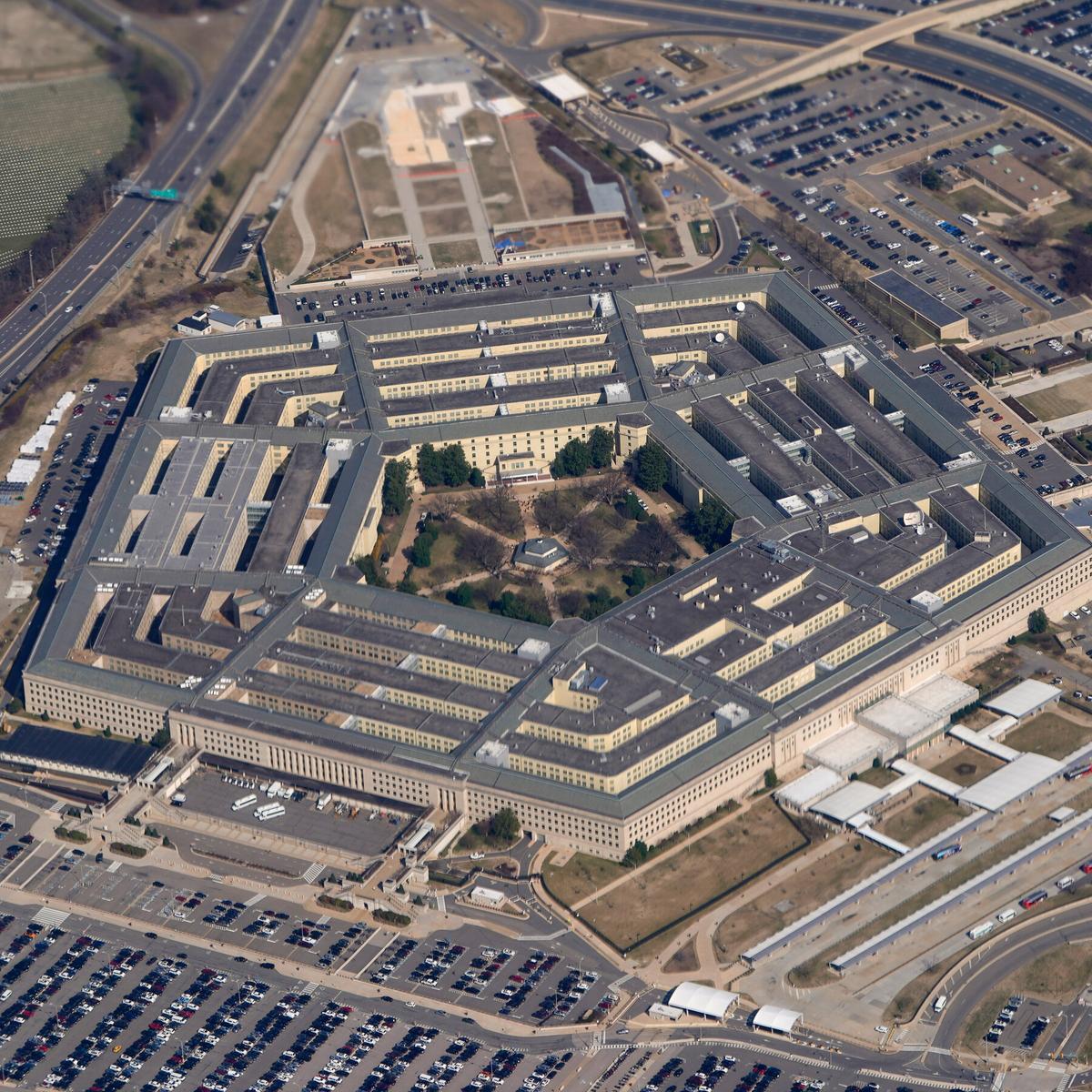
Pentagon Asks Court to Keep Its Restrictions on Journalists
Why It Matters
The outcome will shape how the military balances security with press freedom, setting a precedent for government access to journalists nationwide.
Key Takeaways
- •Pentagon seeks to retain journalist escort requirement during appeal.
- •Federal judge previously struck down broader media restrictions as unconstitutional.
- •Defense Secretary Hegseth tightening Pentagon press access since 2025.
- •NY Times lawsuit alleges Pentagon policy violates First Amendment rights.
- •Policy lets Pentagon label reporters as security risks, revoke passes.
Pulse Analysis
The Pentagon’s escort‑only rule for journalists, first introduced in late 2025, was designed to prevent inadvertent leaks of classified information. After The New York Times challenged the broader credential restrictions as violations of the First and Fifth Amendments, a D.C. district judge nullified those provisions. By petitioning the court to preserve the escort requirement while the appeal proceeds, the Defense Department signals its belief that controlled access remains essential to safeguarding national‑security interests, even as it faces mounting legal scrutiny.
Press freedom advocates argue that mandatory escorts create a chilling effect, limiting reporters’ ability to gather timely, on‑the‑ground information about defense policies and operations. The policy also grants the Pentagon discretionary power to label journalists as "security risks," a move that could be wielded to suppress unfavorable coverage. Courts have historically guarded against overly broad government controls on the press, emphasizing the public’s right to know. The current litigation therefore tests the balance between legitimate security safeguards and constitutional protections, with potential ramifications for media access to other federal facilities.
Looking ahead, the appellate outcome could redefine the parameters of media access to the nation’s most secure sites. If the escort rule survives, newsrooms may need to adapt their reporting strategies, relying more on remote sources and official briefings. Conversely, a ruling that dismantles the requirement could compel the Pentagon to develop alternative, less restrictive security protocols. Stakeholders across defense, journalism, and civil‑rights sectors are watching closely, as the decision will likely influence future policies governing government transparency and the press’s role in a democratic society.
Pentagon Asks Court to Keep Its Restrictions on Journalists
Comments
Want to join the conversation?
Loading comments...