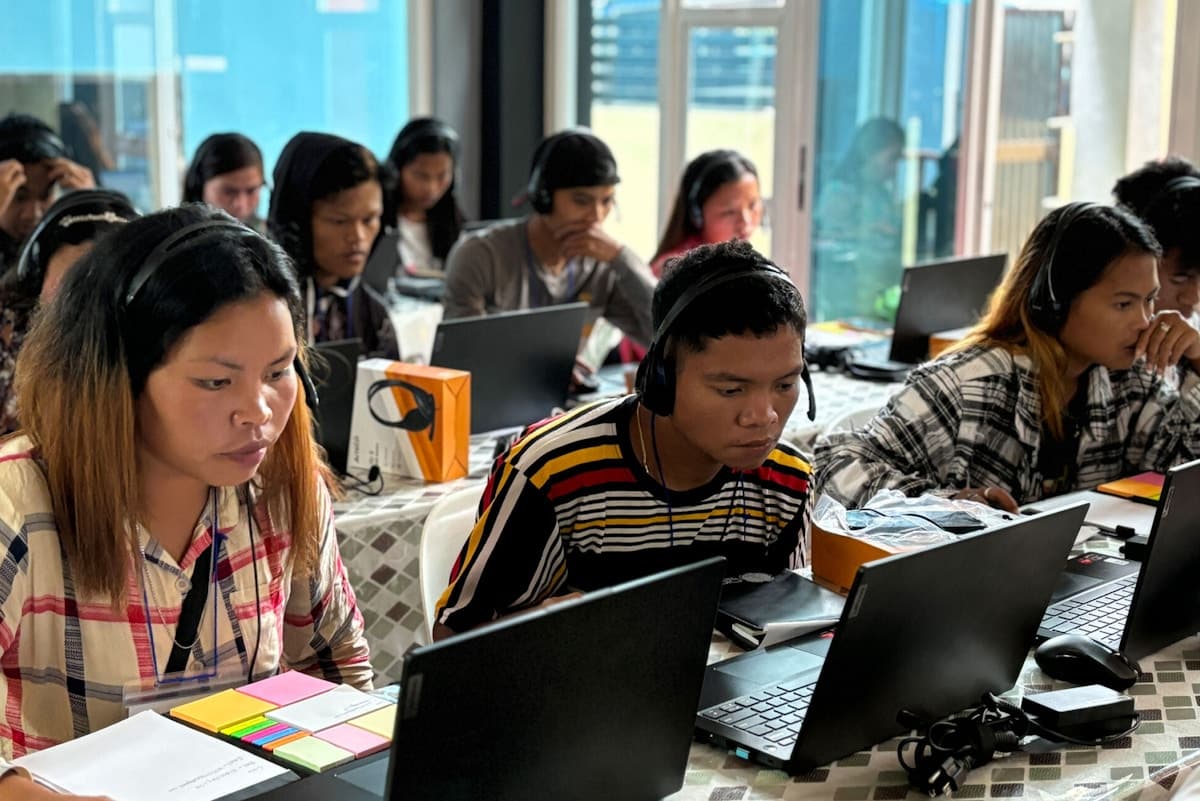
Philippines Digital Boom Fuels Disinformation Targeting Indigenous Peoples: Study
Companies Mentioned

Why It Matters
The surge in online misinformation erodes Indigenous participation in climate decisions and accelerates land‑grab tactics, posing a systemic risk to human rights and sustainable development in the Philippines.
Key Takeaways
- •78% of Filipinos (≈90.8 M) active on social platforms.
- •Red‑tagging fuels online harassment of Indigenous defenders.
- •Digital media accounts for 42% of $6.5 B revenue.
- •Remote Indigenous groups still depend on radio for news.
- •Fabricated consent legitimizes mining projects on Indigenous lands.
Pulse Analysis
The Philippines has become one of the world’s most digitally engaged societies, with nearly eight in ten citizens consuming news online and a majority sharing stories via Facebook Messenger. This shift has displaced traditional outlets, allowing instant amplification of narratives—both factual and false. While digital platforms can spotlight marginalized voices, they also provide fertile ground for coordinated misinformation campaigns that exploit the country’s high internet penetration and the relative anonymity of social media.
For Indigenous Peoples, the stakes are especially high. Red‑tagging—falsely labeling activists as communists or terrorists—has migrated to the digital sphere, where doctored images and fabricated consent statements circulate unchecked. The report cites the Makilala Mining Company’s claim of free, prior, and informed consent from the Balatoc community, a narrative later disputed by locals. Such disinformation not only justifies environmentally damaging projects but also fuels physical intimidation, as evidenced by the 2025 Global Witness survey showing 90% of Filipino land defenders experiencing online abuse linked to political affiliations.
Policymakers and platform operators face urgent pressure to curb this digital hostility. Strengthening content moderation, especially around red‑tagging and false consent claims, could mitigate the spread of harmful narratives. Simultaneously, expanding reliable broadband to remote Indigenous regions and supporting community radio can bridge the digital divide, ensuring that Indigenous voices are heard on their own terms rather than weaponized by disinformation networks. A coordinated response is essential to protect both human rights and the integrity of climate discourse in the archipelago.
Philippines digital boom fuels disinformation targeting Indigenous Peoples: study
Comments
Want to join the conversation?
Loading comments...