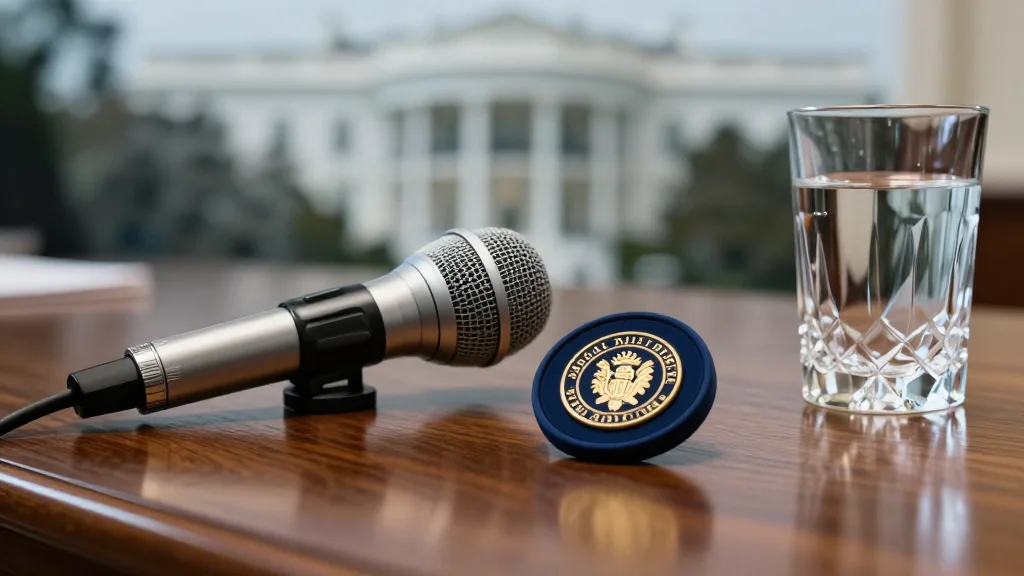
President Trump to Appear at WHCA Dinner, First Time as President, Sparks Media Frenzy

Why It Matters
The WHCA dinner has long served as a barometer of the relationship between the presidency and the press. Trump’s decision to attend signals a willingness to re‑engage with the media establishment, potentially reshaping the tone of political coverage ahead of the 2026 midterms. It also places the president under heightened scrutiny, as journalists will use the platform to challenge his record on press freedom. Beyond the immediate spectacle, the event underscores broader industry trends: corporate sponsors are increasingly drawn to high‑visibility political gatherings, while media organizations grapple with balancing access and accountability. The dinner’s outcome could influence how future administrations negotiate that delicate balance.
Key Takeaways
- •President Donald Trump will attend the WHCA dinner for the first time as president.
- •The gala, held at the Washington Hilton, is sold out and will feature mentalist Oz Pearlman.
- •WHCA President Weijia Jiang emphasizes the event’s First Amendment significance.
- •Hundreds of journalists signed an open letter urging a strong stance on press freedom.
- •Corporate interest in the dinner has surged, according to event planner Kimball Stroud.
Pulse Analysis
Trump’s re‑entry into the WHCA dinner marks a calculated move to reclaim a stage that blends political theater with media optics. Historically, presidents have used the banquet to signal openness or, conversely, to mock the press. By opting for a sold‑out, high‑profile event, Trump aims to project confidence and control the narrative ahead of a contentious election cycle. The choice of Oz Pearlman—a mentalist rather than a comedian—suggests a desire to steer the evening away from overt satire, perhaps to avoid the pitfalls that befell past presidents who were lampooned onstage.
The media’s response reveals a split between institutional caution and activist urgency. While WHCA leadership frames the dinner as a celebration of free speech, a sizable cohort of journalists sees it as a platform to hold the president accountable. This duality reflects the broader fragmentation within newsrooms, where legacy outlets balance access with watchdog duties, and newer digital players push for more confrontational coverage. The corporate surge noted by Kimball Stroud adds another layer: advertisers and sponsors are betting that the heightened visibility will translate into brand exposure, even as they navigate potential backlash from audiences wary of political entanglement.
Looking forward, the dinner could set a precedent for how future administrations engage with the press in an era of polarized media consumption. If Trump delivers a measured, conciliatory speech, it may open a modest window for improved press relations. Conversely, a combative address could deepen mistrust and embolden calls for stricter press‑freedom safeguards. Either outcome will reverberate through newsroom strategies, advertising decisions, and the public’s perception of the media’s role in democratic discourse.
President Trump to Appear at WHCA Dinner, First Time as President, Sparks Media Frenzy
Comments
Want to join the conversation?
Loading comments...