Press Gazette Reality Wars Investigation Recognised by Paul Foot Awards
Why It Matters
The expose reveals a systemic threat to journalistic integrity, showing how AI‑driven misinformation can be weaponized for SEO gains and prompting industry‑wide safeguards.
Key Takeaways
- •Over 1,000 fake stories uncovered, featuring dozens of invented experts
- •Fake experts sourced from agencies in Lithuania, Kenya and elsewhere
- •UK publishers launch blacklists and verification forms to block fakes
- •CIPR and PRCA start campaign against fraudulent expert agencies
- •Qwoted adds AI detector to flag suspicious interview responses
Pulse Analysis
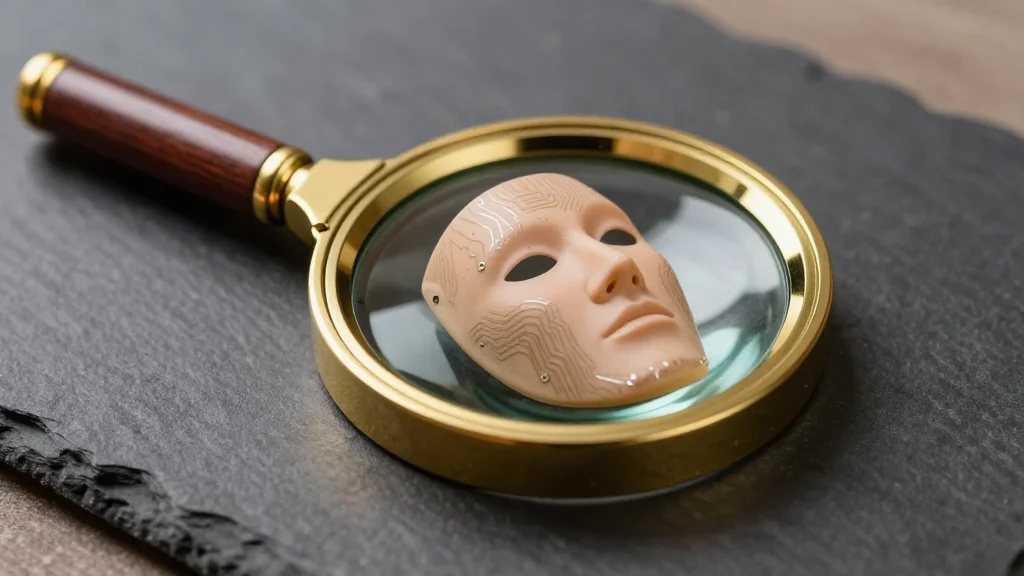
The rise of AI‑generated personas has turned the newsroom into a new battlefield for misinformation. Press Gazette’s "Reality Wars" investigation uncovered a sprawling ecosystem where fabricated experts—some posing as psychologists, royal cleaners or gardeners—were fed to journalists via automated press releases. More than 1,000 falsified stories were traced back to PR outfits operating out of Lithuania, Kenya and other jurisdictions, all seeking backlinks to boost search‑engine rankings. This systematic abuse illustrates how cheap AI tools can amplify false authority at scale, eroding the trust that underpins quality journalism.
Publishers are now scrambling to fortify their editorial defenses. Reach Media announced a blacklist of known bad actors, while Yahoo News requires interviewees to submit LinkedIn profiles and website URLs before publication. PR platforms such as Qwoted and ResponseSource have integrated AI‑detection algorithms that flag unusually rapid or generic replies, giving editors an early warning signal. The Chartered Institute of Public Relations and the Public Relations and Communications Association have jointly launched a campaign urging agencies to cease promoting bogus experts, signaling a coordinated industry response to a problem that threatens both credibility and revenue.
The broader implications extend beyond the UK press. As AI‑generated content becomes cheaper and more convincing, media outlets worldwide must adopt rigorous verification protocols to protect their audiences and advertisers. Failure to do so could allow malicious actors to manipulate public discourse, influence policy debates, and distort market dynamics through SEO‑driven link schemes. The Paul Foot Award recognition not only validates Press Gazette’s investigative rigor but also serves as a wake‑up call for the entire information ecosystem to prioritize authenticity in an era of synthetic expertise.
Press Gazette Reality Wars investigation recognised by Paul Foot Awards
Comments
Want to join the conversation?
Loading comments...