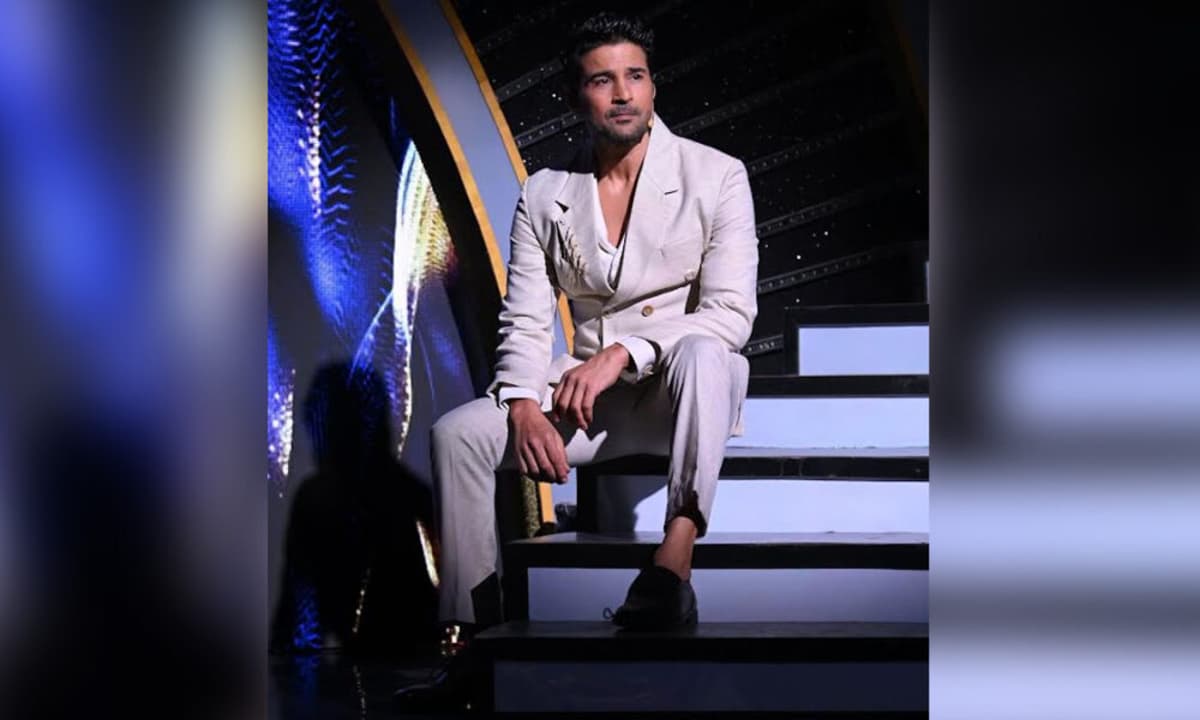
Rajeev Khandelwal Shares Early Acting Struggles on Tum Ho Naa
Why It Matters
Khandelwal’s insight reveals how informal mentorship and self‑study shape talent in India’s TV industry, informing casting and training strategies. It also illustrates why reality‑driven formats are gaining traction as talent‑development platforms.
Key Takeaways
- •Khandelwal used peer imitation to refine his acting technique
- •"Tum Ho Naa" mixes performance coaching with personal storytelling
- •Sony leverages both broadcast and streaming to broaden reach
- •Reality formats now serve as informal talent incubators
Pulse Analysis
Rajeev Khandelwal’s recent confession on "Tum Ho Naa – Ghar Ki Superstar" offers a rare glimpse into the apprenticeship model that underpins much of India’s television acting talent pool. While formal drama schools exist, many performers still rely on observational learning—watching co‑actors, dissecting gestures, and rehearsing in private spaces. This hands‑on approach mirrors the broader creative economies where iterative practice and peer feedback accelerate skill acquisition, a dynamic that talent agencies and casting directors increasingly recognize when scouting for versatile performers.
The show itself exemplifies a growing trend among broadcasters: fusing reality‑competition mechanics with mentorship narratives. By pairing contestants with seasoned professionals like Khandelwal, Sony Entertainment Television and its streaming arm Sony LIV create content that is both entertaining and instructional. This hybrid format drives higher viewer engagement, as audiences tune in for the drama of competition and the authenticity of personal growth stories. The dual‑platform distribution also maximizes ad revenue and subscription metrics, positioning the series as a strategic asset in Sony’s broader digital‑first agenda.
From a business perspective, Khandelwal’s anecdote signals opportunities for ancillary revenue streams. Production houses can package mentorship segments into branded workshops, while streaming services can monetize behind‑the‑scenes masterclasses featuring veteran actors. Moreover, the emphasis on self‑directed learning aligns with the industry’s shift toward flexible talent pipelines, reducing reliance on traditional casting routes. As Indian entertainment continues to globalize, such formats that blend skill development with audience‑centric storytelling are likely to become key differentiators in a crowded market.
Rajeev Khandelwal shares early acting struggles on Tum Ho Naa
Comments
Want to join the conversation?
Loading comments...