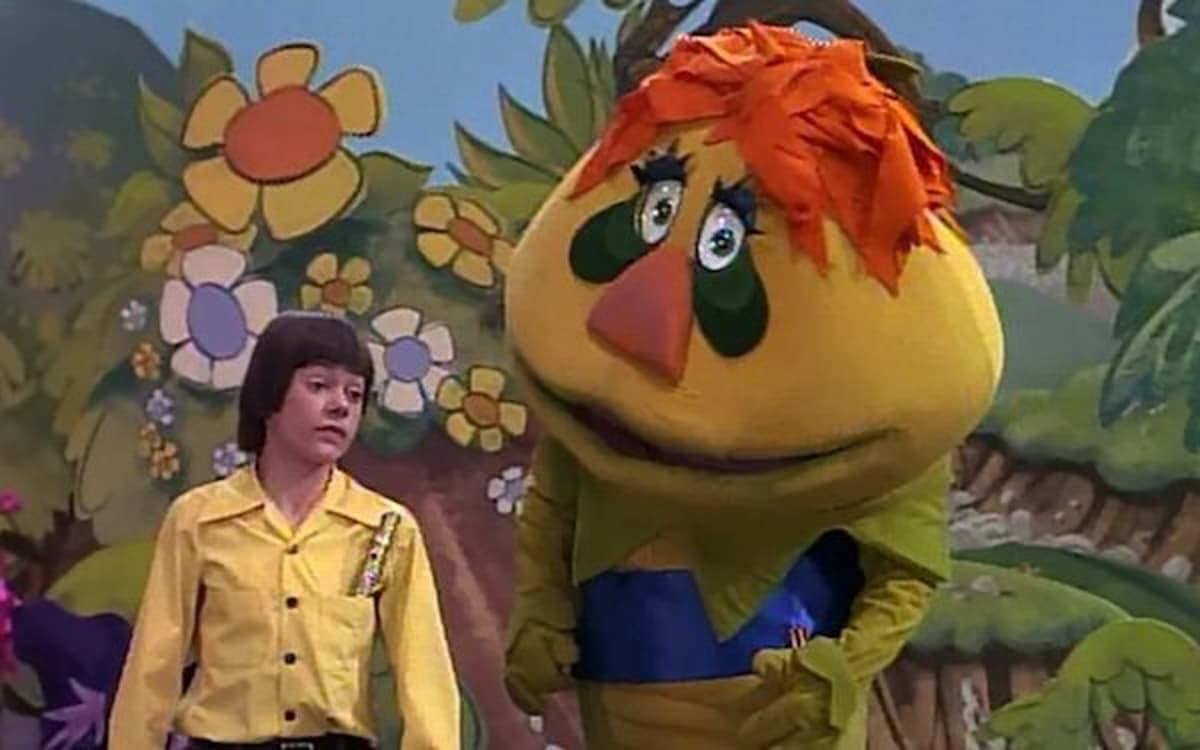
Remembering The Far-Out Kids' Shows Of Sid And Marty Krofft
Why It Matters
The Krofft brothers demonstrated how inventive storytelling can thrive on modest budgets, shaping children’s television and setting precedents for IP protection that still resonate in today’s media landscape.
Key Takeaways
- •Krofft shows aired 1968‑1975, blending low budgets with vivid imagination.
- •Series like H.R. Pufnstuf and Land of the Lost became cult classics.
- •Episodes often rebroadcast, exploiting limited network choices of the era.
- •1977 lawsuit secured Krofft’s rights against McDonaldland character similarities.
- •Their legacy influences today’s nostalgic revivals and budget‑friendly productions.
Pulse Analysis
The Krofft brothers entered television at a time when the three‑network monopoly limited audience choice but offered massive viewership. Working with shoestring budgets, they turned studio backlots into psychedelic forests, oversized hats, and alien planets using practical effects, puppetry, and bold color palettes. This frugal creativity not only kept production costs low but also forged a distinctive visual language that resonated with children, making shows like "H.R. Pufnstuf" and "Land of the Lost" instant cultural touchstones.
Beyond their initial runs, Krofft programming benefited from the era’s syndication model. Networks routinely replayed episodes, banking on the fact that young viewers rarely remembered exact episode counts. This repeated exposure amplified the shows’ reach, embedding them in the collective memory of a generation and spawning a wave of nostalgia that modern streaming platforms now tap into through revivals and retro‑themed content. The brothers’ knack for blending music, fantasy, and humor set a template that contemporary kids’ series emulate, proving that compelling concepts can outweigh high production spend.
The 1977 legal victory against McDonald’s underscored the importance of protecting creative assets, especially when distinctive characters cross into advertising. By successfully arguing that McDonaldland’s mascots infringed on "H.R. Pufnstuf"’s unique designs, the Kroffts reinforced the value of intellectual property in entertainment. Today’s producers watch that precedent closely, recognizing that even whimsical, low‑budget creations can generate significant brand equity and require vigilant defense in an increasingly crowded media landscape.
Remembering The Far-Out Kids' Shows Of Sid And Marty Krofft
Comments
Want to join the conversation?
Loading comments...