Why It Matters
The upgrade eliminates guesswork, reduces costly off‑air incidents, and streamlines engineering resources, directly improving station reliability and profitability.
Key Takeaways
- •Modern remote control apps deliver real‑time power, temperature, and generator data
- •SNMP integration lets engineers monitor device metrics beyond basic voltage readings
- •AAT’s EmPower VNA adds live antenna fault detection without downtime
- •Cloud‑based security isolates transmitter control from unauthorized access
- •Reduced site visits cut off‑air time and operational costs
Pulse Analysis
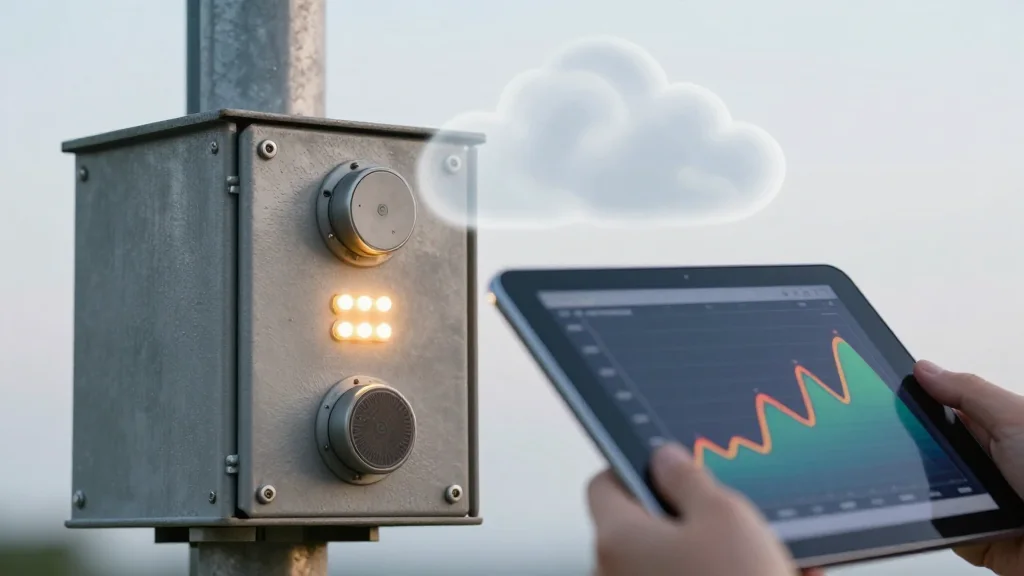
The broadcast industry’s shift from analog STL/TSL telemetry to IP‑driven SNMP monitoring marks a fundamental change in how engineers manage transmitter sites. Legacy systems offered only forward and reflected power readings, forcing technicians to carry toolkits on every outage. Today, cloud‑enabled platforms aggregate sensor data—temperature, voltage, generator health, and even live video—into a single dashboard, allowing rapid diagnosis from anywhere with internet access. This connectivity not only accelerates fault resolution but also supports predictive maintenance strategies that were impossible with the old pinhole view.
American Amplifier Technologies’ EmPower suite exemplifies the next generation of remote control solutions. Its alarm‑prioritization engine surfaces the most critical alerts first, while the optional Vector Network Analyzer (VNA) continuously scans the antenna feed line for impedance shifts, triggering alarms before water ingress or component failure forces a station off‑air. Security is baked in via a hardened cloud service, enabling role‑based access for engineers, consultants, or board operators without exposing the transmitter to cyber threats. By consolidating control, monitoring, and analytics into a pocket‑sized app, EmPower reduces the need for quarterly site visits and cuts operational expenses.
For broadcasters, these advancements translate into measurable business value. Fewer emergency trips lower labor costs and vehicle mileage, while improved uptime safeguards advertising revenue and audience loyalty. As 5G and edge computing mature, future remote‑control platforms will likely incorporate AI‑driven anomaly detection, further automating corrective actions. Stations that adopt comprehensive SNMP‑based monitoring now position themselves to capitalize on these emerging technologies, ensuring they remain competitive in an increasingly data‑centric media landscape.
Remote Control Technology Has Come a Long Way
Comments
Want to join the conversation?
Loading comments...