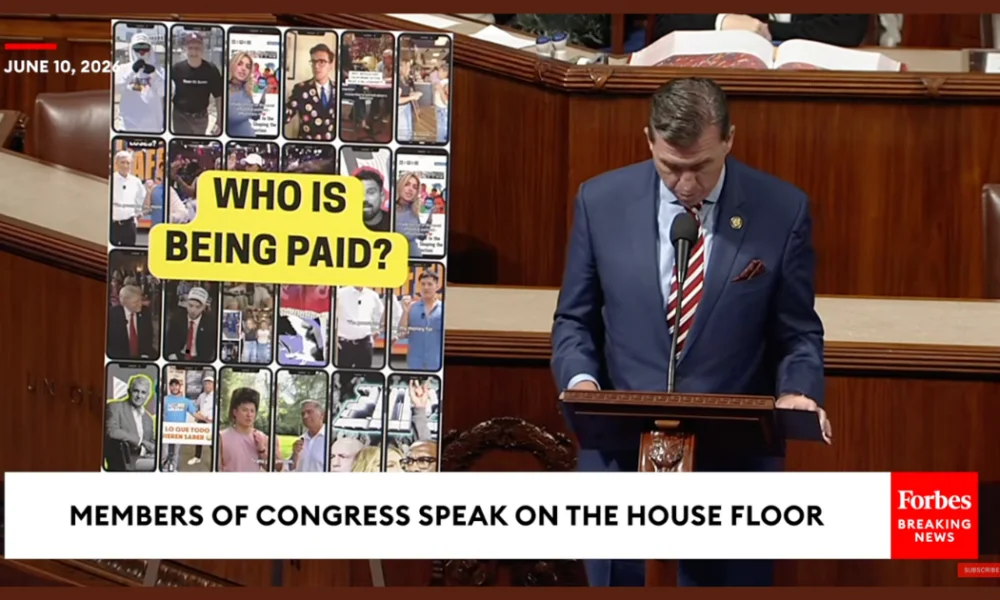
Rep. Mullin Pushes for Mandatory Disclosure Rules for Politically Paid Influencers
Companies Mentioned

Why It Matters
Mandatory disclosure will give voters clear insight into who funds online political messages, curbing dark‑money influence and modernizing campaign‑finance law for the digital era.
Key Takeaways
- •DISCLOSE Act seeks mandatory influencer payment disclosures for political content.
- •Texas already requires disclosure for influencer payments exceeding $100.
- •Undisclosed political spending rose from <$5M (2006) to $1.9B (2024).
- •28% of creators pitched for 2024 election; 21% of Americans follow news.
Pulse Analysis
The rise of the creator economy has reshaped how political campaigns reach voters, with influencers often delivering messages more persuasively than traditional TV ads. Yet the existing campaign‑finance framework, drafted before social media’s dominance, leaves a transparency gap. Rep. Kevin Mullin’s push for the DISCLOSE Act aims to close that gap by obligating influencers to label paid political content, ensuring that audiences can identify the source of the messaging they encounter on platforms like TikTok and Instagram.
Congressional attention to influencer disclosures is growing. In addition to Mullin’s DISCLOSE Act, Rep. Mark Takano introduced the PAID Act, which would amend the Federal Election Campaign Act to require conspicuous disclosures from anyone paid by political committees, with FEC rules due by January 1, 2027. At the state level, Texas set a precedent in June 2024, mandating disclosures for influencer payments exceeding $100. The Federal Election Commission’s prior attempts since 2013 have stalled without clear statutory authority, highlighting the need for federal legislation to standardize enforcement across all jurisdictions.
The implications for democracy are significant. A 2024 Billion Dollar Boy study found 28% of U.S. creators were approached for political content ahead of the presidential election, while Pew Research shows 21% of Americans—especially younger adults—regularly receive news from creators. With undisclosed election spending ballooning from under $5 million in 2006 to about $1.9 billion in 2024, voters are increasingly exposed to hidden influences. Transparent disclosure rules would empower citizens to assess the credibility of political messaging, potentially reducing the sway of dark money and fostering a more informed electorate as digital campaigning continues to evolve.
Rep. Mullin Pushes for Mandatory Disclosure Rules for Politically Paid Influencers
Comments
Want to join the conversation?
Loading comments...