Screen Forever 2026: “The Industry Has Always Been Bad”
Why It Matters
Gardner’s call to embrace low‑cost, technology‑driven creation could broaden talent pipelines and reshape financing models, making the content ecosystem more resilient amid funding constraints.
Key Takeaways
- •Rachel Gardner urges creators to ignore industry doom narratives
- •Storytelling demand remains constant despite funding challenges
- •Mobile phones enable high-quality short films on minimal budgets
- •Early‑career writers should be bold, bypass traditional gatekeepers
Pulse Analysis
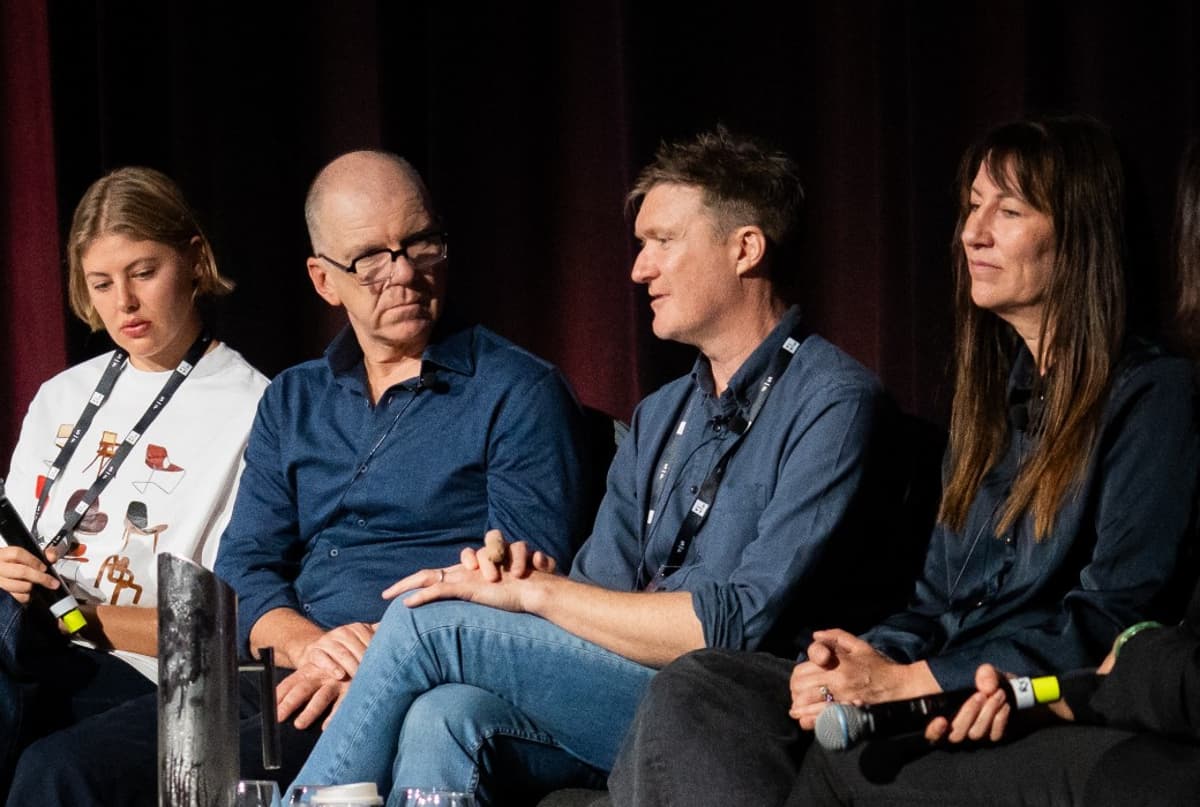
The annual Screen Forever conference, a gathering of film and TV creators, once again became a forum for the familiar lament about shrinking budgets and a bleak market outlook. Panels across the event echoed concerns that financing pipelines are tightening, while talent agencies warn of heightened risk for mid‑level projects. Yet the mood shifted during a story‑development session when Curio Pictures’ Rachel Gardner challenged the narrative, reminding peers that pessimism has long been part of the industry’s lore. Her remarks set the tone for a more optimistic dialogue and potential new collaborations.
Gardner argued that storytelling demand is immutable; audiences will always need content, regardless of funding cycles. She highlighted that modern smartphones can produce festival‑caliber short films, citing a recent phone‑shot winner that launched a filmmaker’s career. By emphasizing that “you don’t even need money to make content,” she framed technology as the great equalizer, lowering entry barriers for early‑career writers and directors. The panelist urged newcomers to be bold, to bypass traditional gatekeepers, and to focus on craft rather than waiting for elusive studio greenlights, and build a portfolio that attracts future backers.
If the industry internalizes this optimism, talent pipelines could broaden, delivering fresh voices that bypass legacy financing models. Investors may begin to allocate capital toward low‑cost, high‑volume content farms that leverage mobile production, while streaming platforms could benefit from a surge of authentic, niche stories. Conversely, established studios risk marginalization if they cling to old gatekeeping practices. Gardner’s message underscores a strategic inflection point: embracing democratized creation tools can sustain the content ecosystem even when traditional money streams contract, and re‑engineer distribution strategies for global reach.
Screen Forever 2026: “The industry has always been bad”
Comments
Want to join the conversation?
Loading comments...