Serbia Faces Growing Concerns over Shrinking Civic Space and Press Freedom
Why It Matters
The crackdown undermines democratic norms, threatens press freedom and could stall Serbia’s EU accession, affecting regional stability.
Key Takeaways
- •UN chief calls Serbia’s civic space “very worrying.”
- •Journalists face threats, attacks, and strategic lawsuits.
- •Independent monitors record sharp rise in violence against media.
- •Anti‑corruption protests met with mass detentions and police force.
- •EU observers flag unequal media access and weak oversight.
Pulse Analysis
Serbia’s democratic trajectory has taken a sharp turn, prompting the UN’s top human‑rights official to label the country’s civic space as “very worrying.” The term “civic space” encompasses the ability of citizens, journalists and civil‑society groups to express opinions, organize protests and hold power to account. Recent assessments now categorize Serbia as having a “repressed” civic environment, a designation that signals severe constraints on free assembly, media independence and NGO activity. This shift reflects a broader pattern of authoritarian consolidation across the Western Balkans, where political leaders increasingly rely on legal and extralegal tools to silence dissent.
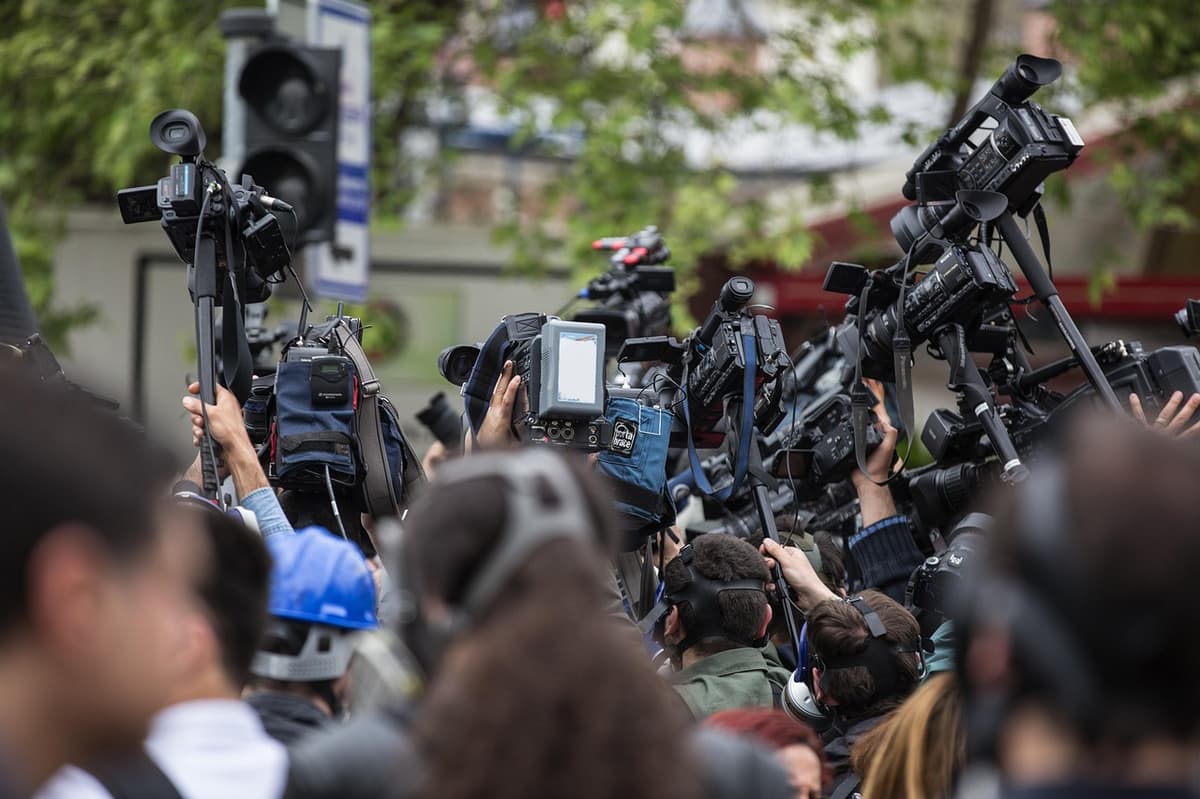
The pressure on the press is especially pronounced. Reporters covering government actions and street protests face a cocktail of threats: physical assaults, surveillance allegations, smear campaigns in pro‑government outlets, and costly strategic lawsuits designed to drain resources. Independent watchdogs have logged a marked uptick in violence against journalists, with many incidents coinciding with high‑stakes events such as the anti‑corruption rallies sparked by the Novi Sad railway station collapse. These tactics not only chill investigative reporting but also erode the public’s right to accurate information, a cornerstone of a healthy market economy and informed electorate.
For Serbia’s long‑term ambitions, the implications are stark. The European Union has repeatedly tied accession progress to rule‑of‑law benchmarks, including media freedom and civil‑society protections. Continued repression could delay or derail Serbia’s EU pathway, unsettling regional trade dynamics and security cooperation. International partners are urging Belgrade to enact concrete safeguards—transparent investigations of attacks, repeal of punitive media laws, and independent oversight bodies—to restore confidence and preserve the democratic fabric essential for sustainable growth.
Serbia faces growing concerns over shrinking civic space and press freedom
Comments
Want to join the conversation?
Loading comments...