Companies Mentioned
Why It Matters
The systematic suppression erodes democratic accountability in the Balkans and signals a warning for other emerging autocracies. International investors and NGOs monitor these trends as indicators of political risk and rule‑of‑law deterioration.
Key Takeaways
- •Serbia fell to 104 in RSF Index, eight places lower
- •President Vučić employs ten distinct tactics to suppress media
- •Pegasus spyware used against at least two Serbian journalists in 2025
- •Independent outlets face advertising bans and satellite distribution cuts
- •Gender-based violence against journalists highest in Europe, per MFRR data
Pulse Analysis
The 2026 Press Freedom Index, released ahead of World Press Freedom Day, paints a bleak picture for journalists worldwide, with 100 of 180 nations experiencing deteriorating conditions. Serbia’s slide to 104th place reflects a broader regional backslide, driven by a coordinated state strategy that blends traditional intimidation with high‑tech surveillance. Understanding this decline requires looking beyond headline arrests to the nuanced legal and economic levers the Vučić administration wields, from SLAPP lawsuits to the manipulation of state‑controlled advertising streams that starve independent outlets of revenue.
Digital repression has become a hallmark of Serbia’s media crackdown. Amnesty International documented the deployment of NSO Group’s Pegasus spyware against two Balkan Investigative Reporting Network journalists in 2025, marking the eighth confirmed case of such targeting. Simultaneously, coordinated bot attacks and cyber‑intrusions on newsrooms’ infrastructure aim to disrupt publishing operations. These tactics, coupled with the removal of critical channels from satellite platforms, illustrate how technology amplifies state control, making it harder for dissenting voices to reach audiences.
The human cost extends to gender‑based violence, with Serbia recording the highest incidents against journalists in Europe, according to Media Freedom Rapid Response. Threats, smear campaigns, and forced exile create a climate of self‑censorship that undermines investigative reporting. For foreign investors and policy makers, the erosion of press freedom signals heightened political risk and a weakening rule of law, prompting calls for stronger international safeguards and support for resilient, independent media ecosystems in the Balkans.
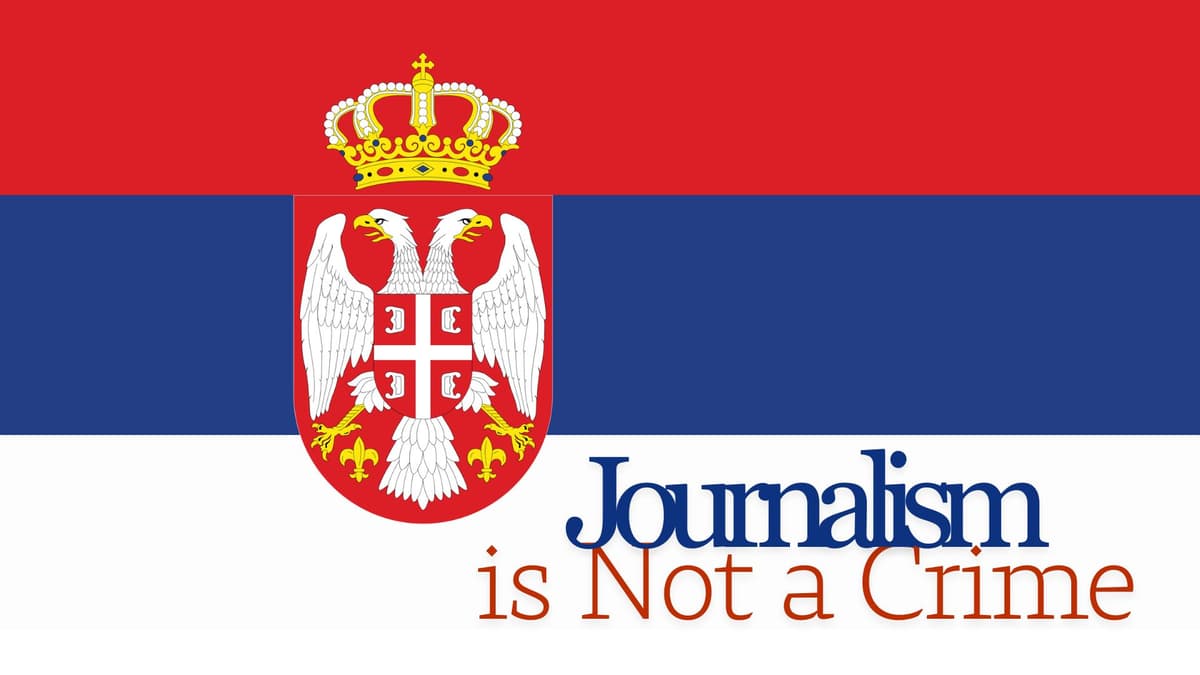
Serbia’s war on the press: The full playbook in 10 chapters
Comments
Want to join the conversation?
Loading comments...