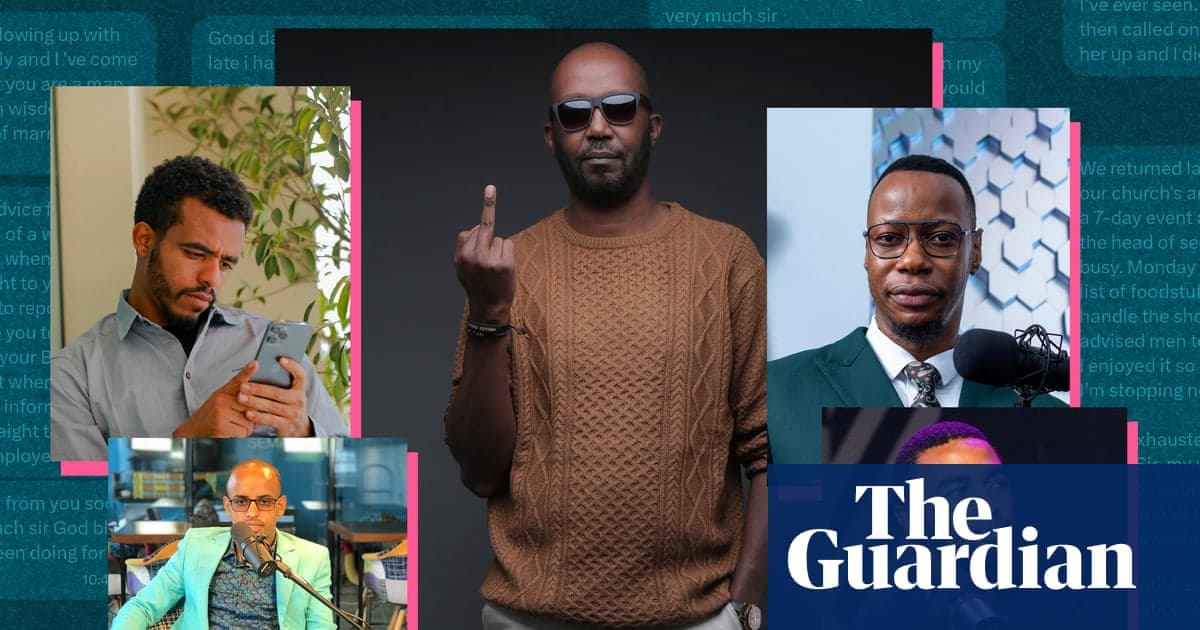
Sluts, Simps and Body Shaming: The Rise of Africa’s Manosphere
Companies Mentioned
Why It Matters
The rise amplifies gender‑based violence and undermines women’s participation in public life, while platform monetisation incentives make misogyny profitable, demanding urgent regulatory and civil‑society action.
Key Takeaways
- •African manosphere reaches millions across multiple platforms
- •Influencers monetize misogynistic content via creator revenue programs
- •TFGBV harms women, fuels offline violence and trafficking
- •Cultural, religious rhetoric amplifies gender hate online
- •Data gaps hinder policy response to digital gender abuse
Pulse Analysis
The African manosphere has exploded alongside the continent’s rapid internet adoption, giving a youthful population of over 400 million people aged 15‑35 unprecedented access to content creators. Unlike the early, fragmented Western scene, African influencers operate across X, TikTok, YouTube and messaging apps, aggregating followings that run into the millions. Their narratives blend local cultural and religious motifs with global red‑pill rhetoric, creating a potent mix that resonates with men feeling marginalized by gender‑equality initiatives. This digital surge mirrors the West’s misogynistic wave but is uniquely amplified by language diversity and limited content‑moderation capacity in many African markets.
Technology‑facilitated gender‑based violence (TFGBV) is the direct fallout of this ecosystem. Doxing, deep‑fake abuse, sextortion and coordinated harassment campaigns translate online hate into real‑world threats, contributing to rising rates of stalking, domestic abuse, and even femicide. Platforms’ creator‑revenue sharing models reward high‑engagement posts, inadvertently incentivising sensationalist misogyny. The lack of comprehensive data—particularly on offline repercussions—means policymakers struggle to quantify the problem, while legal frameworks often lag behind the evolving tactics used by these influencers. Consequently, women, especially young girls, activists and politicians, face amplified risk and self‑censorship.
Addressing the crisis requires a coordinated, multi‑stakeholder approach. Governments must enact clear TFGBV statutes, mandate transparency in platform monetisation, and invest in robust data‑collection mechanisms. Tech companies should strengthen moderation tools, prioritize gender‑safety signals, and share revenue data linked to hateful content. Civil‑society groups and regional bodies like UN Women can spearhead awareness campaigns, provide digital‑literacy training, and support survivors. By aligning regulatory pressure with industry responsibility and grassroots advocacy, the continent can curb the spread of misogynistic narratives and protect the digital rights of women and girls.
Sluts, simps and body shaming: the rise of Africa’s manosphere
Comments
Want to join the conversation?
Loading comments...