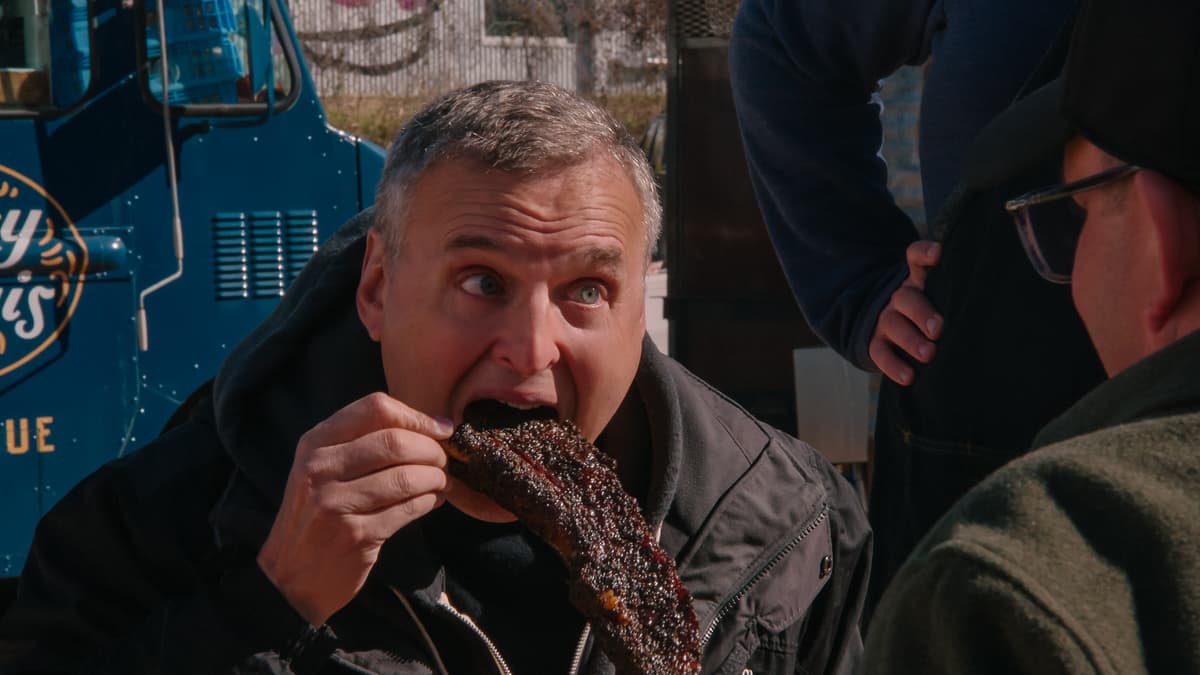
‘Somebody Feed Phil’ Moving To YouTube In 2027 As Phil Rosenthal Inks Strategic Global Deal With Banijay
•March 9, 2026
0
Why It Matters
The move gives the show broader, free‑to‑watch reach while granting Rosenthal greater control and new ad‑based revenue streams, signaling a shift in premium content distribution strategies.
Key Takeaways
- •Show shifts from Netflix to YouTube in 2027.
- •Banijay partners to expand Rosenthal’s digital ecosystem.
- •YouTube offers AVOD and FAST monetization opportunities.
- •Legacy seasons stay on Netflix, preserving subscriber base.
- •Deal signals premium content moving to free platforms.
Pulse Analysis
The migration of *Somebody Feed Phil* from Netflix to a dedicated YouTube channel marks a rare reversal in the current streaming hierarchy, where premium series typically seek subscription‑based homes. Phil Rosenthal’s deal with Banijay leverages YouTube’s massive global audience and its ad‑supported model, allowing the show to reach viewers who may never subscribe to a paid service. This move also aligns with Rosenthal’s philosophy of making content freely accessible, echoing the free‑to‑watch ethos of his earlier sitcom work. By 2027 the series will coexist with its eight‑season Netflix library, creating a hybrid distribution footprint.
Banijay’s involvement brings a production powerhouse capable of scaling the *Phil Rosenthal World* across multiple digital formats. The company’s extensive portfolio—including unscripted hits like *MasterChef* and scripted prestige series such as *Peaky Blinders*—provides the infrastructure to generate short‑form clips, branded integrations, and localized versions for AVOD (advertising‑video‑on‑demand) and FAST (free‑ad‑supported streaming) channels. As Banijay prepares its $8 billion merger with All3Media, the partnership signals a broader strategy to consolidate premium content creators under a single distribution umbrella, enhancing bargaining power with platforms and advertisers alike.
The shift to a free, ad‑supported platform reshapes revenue expectations for culinary travel programming. Advertisers gain direct access to a highly engaged, food‑enthusiast demographic, while Rosenthal retains creative control and data ownership that subscription services often limit. Moreover, the YouTube ecosystem enables real‑time community interaction, merchandise sales, and cross‑promotion with other Banijay properties, creating a multi‑layered brand experience. Industry observers view this as a bellwether for other mid‑tier unscripted series, suggesting that the future of premium content may increasingly blend subscription libraries with expansive, ad‑driven digital homes.
‘Somebody Feed Phil’ Moving To YouTube In 2027 As Phil Rosenthal Inks Strategic Global Deal With Banijay
0
Comments
Want to join the conversation?
Loading comments...