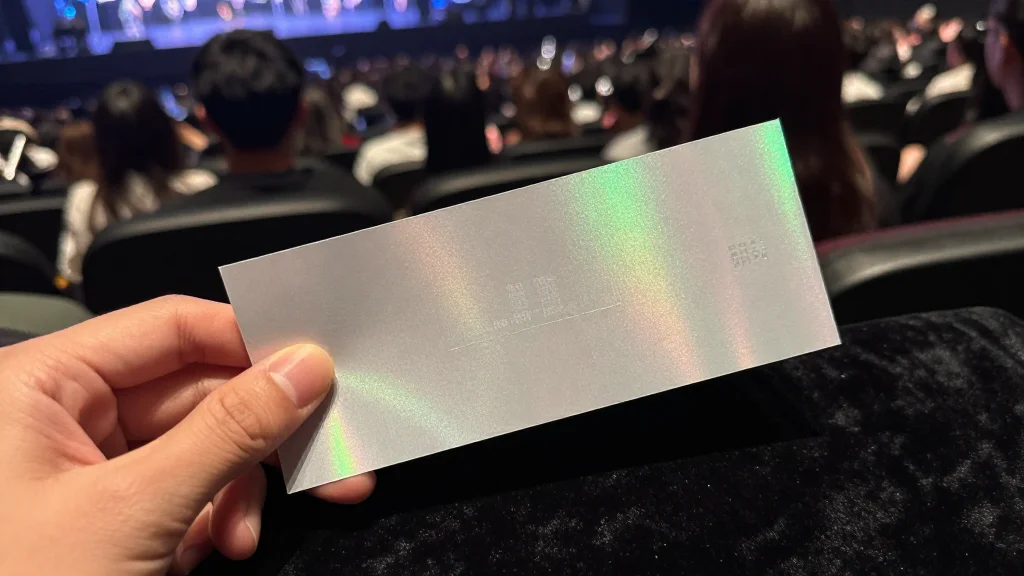
Spotify Rolls Out "Reserved" Ticket‑reservation Tool for Premium Users

Companies Mentioned
Why It Matters
Reserved signals a strategic shift for Spotify from pure audio streaming to an integrated entertainment platform that includes live‑event distribution. By using listening data to prioritize ticket access, Spotify leverages its core competency—understanding fan preferences—to address a long‑standing pain point in the concert industry: ticket scalping. If the model proves effective, it could force traditional ticketing firms to adopt similar data‑driven allocation methods, reshaping the economics of live‑music revenue. The feature also deepens Spotify’s partnership ecosystem, linking its AI‑remix licensing deal with Universal Music Group to a tangible fan‑facing product. This synergy creates new monetisation pathways for artists, who stand to earn both streaming royalties and a share of ticket sales, while giving fans a more personalized, trustworthy way to secure seats at shows they love.
Key Takeaways
- •Spotify launches Reserved, giving Premium subscribers a 24‑hour early‑access window to purchase up to two concert tickets.
- •Eligibility is based on streaming frequency, catalog breadth, and saved tracks, aiming to prioritize genuine fans.
- •The service rolls out in the U.S. summer 2026, with plans to expand internationally later in the year.
- •Reserved is part of a broader AI‑music partnership with Universal Music Group, linking streaming data to live‑event revenue.
- •Spotify hopes the model will curb scalper bots and create a new income stream for artists and songwriters.
Pulse Analysis
Spotify’s Reserved initiative is more than a ticket‑sale add‑on; it is a calculated expansion into the live‑event value chain that leverages the company’s unrivaled data moat. Historically, ticket allocation has been a blunt instrument, with first‑come‑first‑served or lottery systems that are easily gamed by bots. By tying access to concrete engagement metrics—streams, saves, and playlist adds—Spotify creates a frictionless, fan‑centric allocation that could dramatically reduce the secondary market’s grip on pricing.
The timing is crucial. As live‑music demand rebounds, promoters are scrambling for reliable distribution channels that can guarantee sell‑outs without alienating fans. Spotify’s massive user base offers a ready‑made audience, and the Reserved model could become a de‑facto standard for premium‑tier fans, much like early‑access passes on gaming platforms. However, the approach also raises questions about data privacy and the fairness of algorithmic gatekeeping. Critics may argue that heavy listeners—often already the most affluent fans—receive preferential treatment, potentially marginalising casual listeners.
From a competitive standpoint, Reserved puts Spotify in direct contention with ticketing behemoths and emerging blockchain‑based resale platforms that promise transparency. If Spotify can demonstrate lower resale rates and higher fan satisfaction, it may force incumbents to adopt similar data‑driven reservation systems or risk losing market share. Moreover, the integration with the AI‑remix licensing deal underscores a broader strategic vision: a unified ecosystem where recorded music, user‑generated content, and live experiences feed into each other, creating multiple revenue streams for both the platform and rights holders. In the long run, Reserved could be a stepping stone toward a fully integrated music‑entertainment marketplace, reshaping how fans discover, consume, and attend music events.
Spotify rolls out "Reserved" ticket‑reservation tool for premium users
Comments
Want to join the conversation?
Loading comments...